

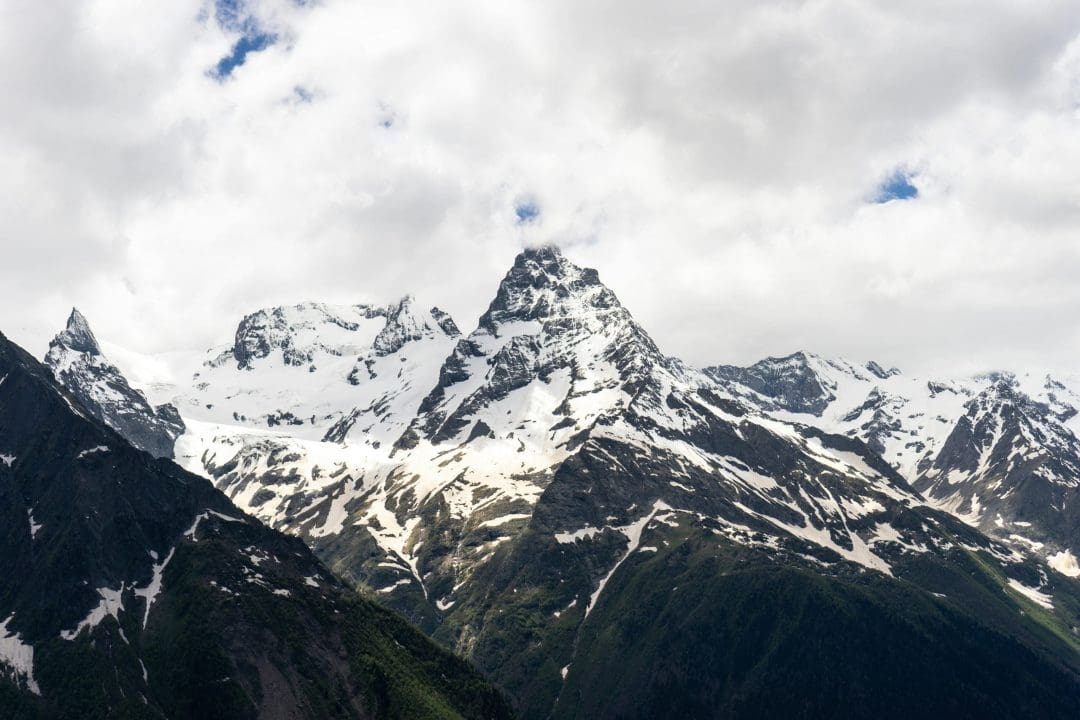
The tallest mountain in Europe has been home to high-spirited adventurers since the first climber reached the summit in 1874. Mount Elbrus rises to a height of 5,642 meters (18,510 ft), making it Europe’s highest peak. It is located on Russian territory in the Caucasus Mountains.
The Prielbrusye Park is a centre of attraction, thanks to Mt Elbrus, the centrepiece of the Caucasus ecosystem. The Caucasus Mountains range spans across Europe and Asia. If you’re up for an adventure to one of the oldest mountains in the world, this is your ultimate guide.
How Tall is Mount Elbrus?
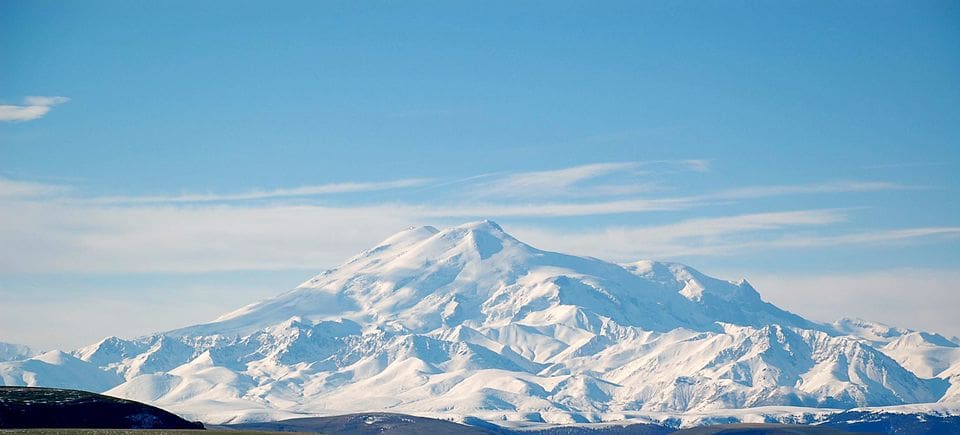
The western summit is higher, at 5,642m (18,510 ft), while the eastern peak is 5,621m (18,442 ft). It is the 5th of the seven world summits after Mount Everest, Aconcagua, Denali, and Mount Kilimanjaro. Also, it is the highest mountain in the Alps in Russia, Europe, and the 10th most prominent peak in the world.
What’s the Geography and Climate Like on Elbrus?
Mount Elbrus is a stratovolcano with double cones and shimmering glaciers, formed about 2.5 million years ago. What makes this mountain unique is the thick glaciers that lie on its slopes. The glaciers on the snowflake number around 22 principal and 77 secondary glaciers.
Regarding the climate, the summits are always cold year-round. Winter is the coldest season, with temperatures as low as -30°C. During the summer, the average temperature ranges from -5 °C to 0 °C. At the base, the temperature ranges from 10°C to 20°C in summer, particularly between June and July.
Mount Elbrus Routes
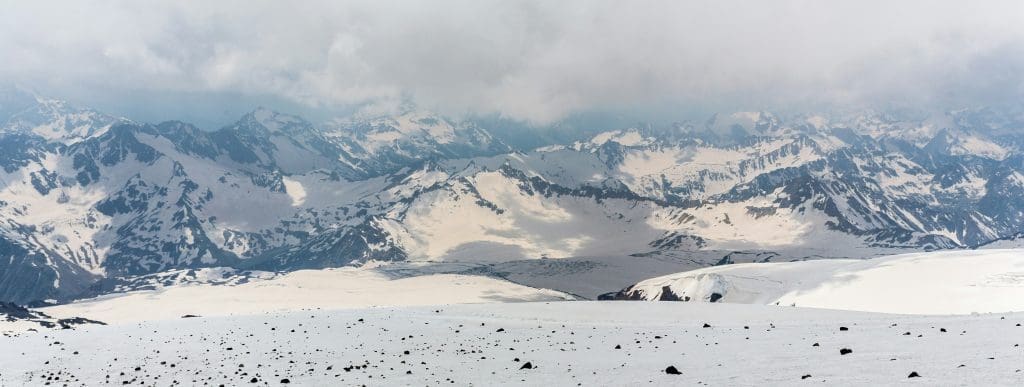
Before embarking on an adventure, you need to understand Elbrus’s climbing routes. After years of climbing, the highest mountain in Europe offers two major routes: the well-developed southern route and the wild northern route.
Southern Route
The South Route is an easy, accessible, and popular climbing route. It takes about 8 hours to ascend and 4hours to descend. Eighty percent of climbers, including beginners and guided groups, take this route. There are cable cars that lift climbers to 3,800 metres at the Garabashi station.
You can spend the night and some days acclimatising in the Bochki camps, also known as Barrels. From here, get on a snow groomer and ride higher to Pastukhov Rocks, between 4,700 and 5,100 meters. You will pass through the famous long kosaya polka and the challenging 30-degree ice slopes. The final challenge is the zombie pathway, which you must complete before reaching the west summits.
North Route
The north route to the tallest mountain in Europe is for alpinists who prefer a more challenging climb. The ascent and descent are on foot, without cable cars. Climbing from preparations to the actual summit day takes about 9 to 12 days.
There are shelters at 2,500 meters and camp huts at 3,800 meters. The next landmark is the Lentz rocks at 4,800m, which can be reached in about 4 hours from the huts. On summit day, climbers must have acclimatised to the paths. They climb to the east peak, after which they prepare for descent.
What To Expect When Visiting Mount Elbrus
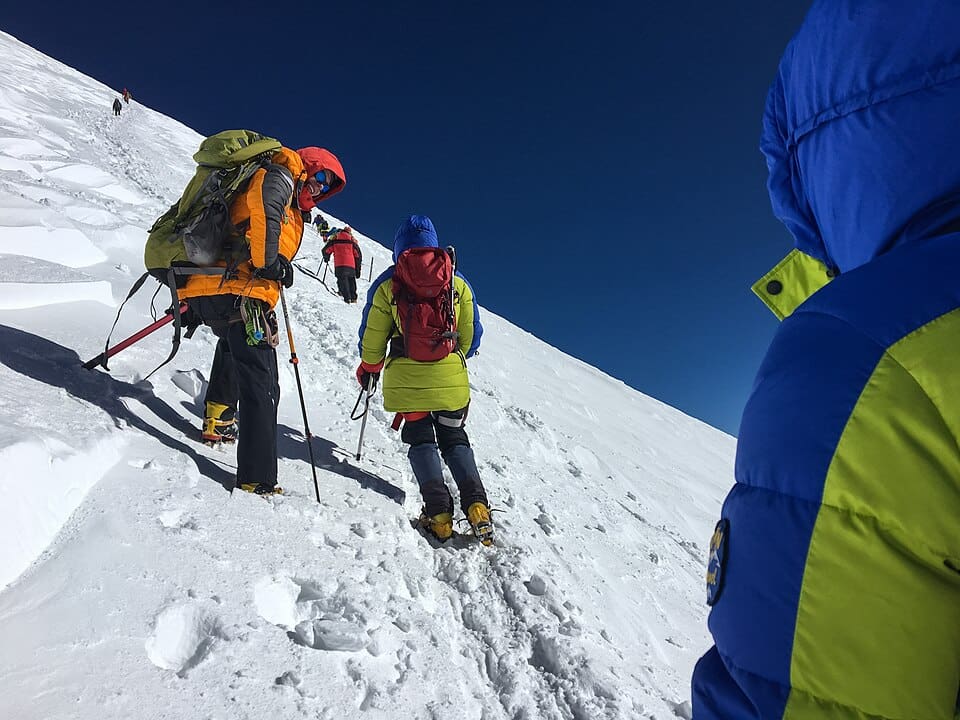
The tallest peak in Europe is peculiar in so many ways. Here are some key things to know as you prepare for your journey to Mount Elbrus.
Crowds in Peak Season
If you plan to visit in the summer, expect to meet fellow climbers from all over the world. Prepare to meet waiting lines at the cable cars and crowded camp huts. There is no solitude, so expect slow summit trails with dozens of other climbers.
Altitude Sickness
The high-altitude climb on the tallest mountain in Europe comes with sickness that can affect any climber. There can be headaches, dizziness, nausea, or sudden fatigue. Frostbite and hypothermia can occur due to the extreme cold and high winds. Climbing with the right gear is essential to avoid permanent injuries, such as frostbite. Additionally, proper acclimatisation helps climbers prepare better for managing these symptoms along the way.
Unpredictable Weather
Although there are standard temperatures to expect, the weather remains unpredictable. The standard temperature in August, for example, ranges from 14 °C to 26 °C. However, clear skies can turn into blizzards within hours. Most of the time, the mountain determines the length of the climb. Sometimes, there is a need to stop and turn halfway to the summit due to approaching storms. This is why most guided itineraries reserve 1-2 buffer days to adapt to turbulent weather.
What Are The Essential Tips for Successful Climbing of the Highest Mountain in Europe?
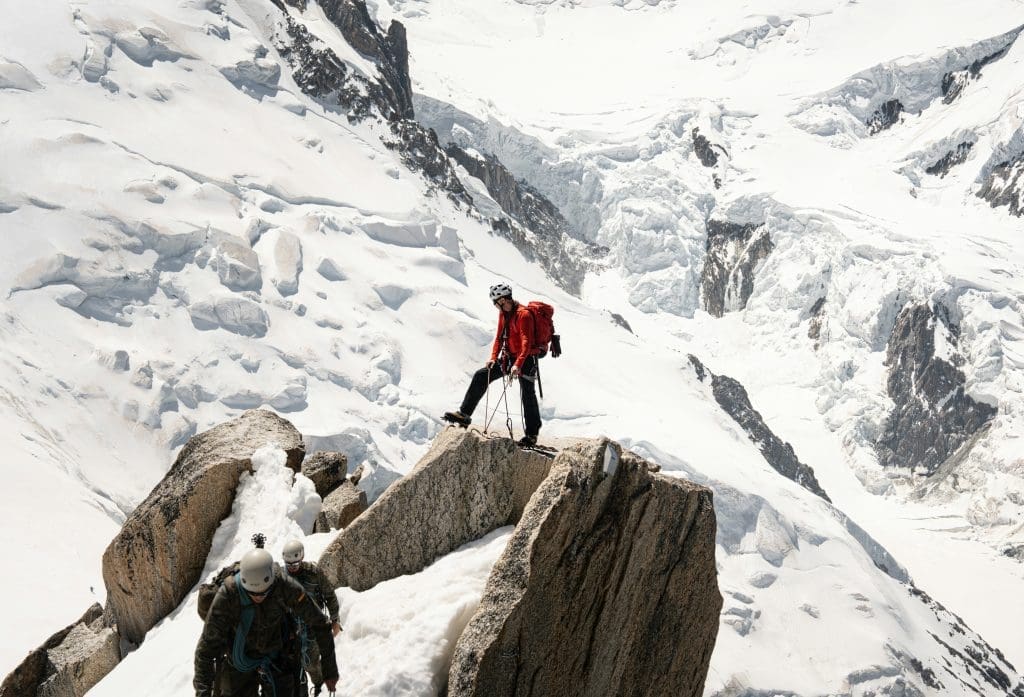
A successful climb requires adequate preparation. After selecting the route and timing, you need to familiarize yourself with the necessary skills, equipment, and body training. Whether you’re climbing to the summit or admiring the picturesque surroundings, these are tips you should know.
Cost Requirements
Mount Elbrus lies in Russia’s Kabardino-Balkaria region. This means you need a Russian visa and a border zone permit, depending on your chosen route. You could choose to go independently or with a climbing group. Climbing costs range from $1,200 to $3,500 USD. The price varies according to your tour guide. It’s also more expensive to climb in winter than in summer. Typically, these costs encompass your flight fees, accommodation, meals, and any other required permits. Other tour guides include hut fees, cable car tickets, and gear rental for climbers who don’t have their own. Your first step in travel planning is to determine the travel path that suits your budget.
Regular Exercise
You need to prepare your body and mind for the demanding climb. Activities such as jogging, swimming, and running are essential for building endurance. Simple exercises, such as push-ups and squats, can help strengthen your muscles. During these sessions, train your body by carrying double the weight you will have during your climb. For example, if you plan to carry up to 7kg/15lbs on the mountain, practice by carrying 14kg/30lbs. This way, you train your body to survive in low-oxygen environments.
Gear Essentials
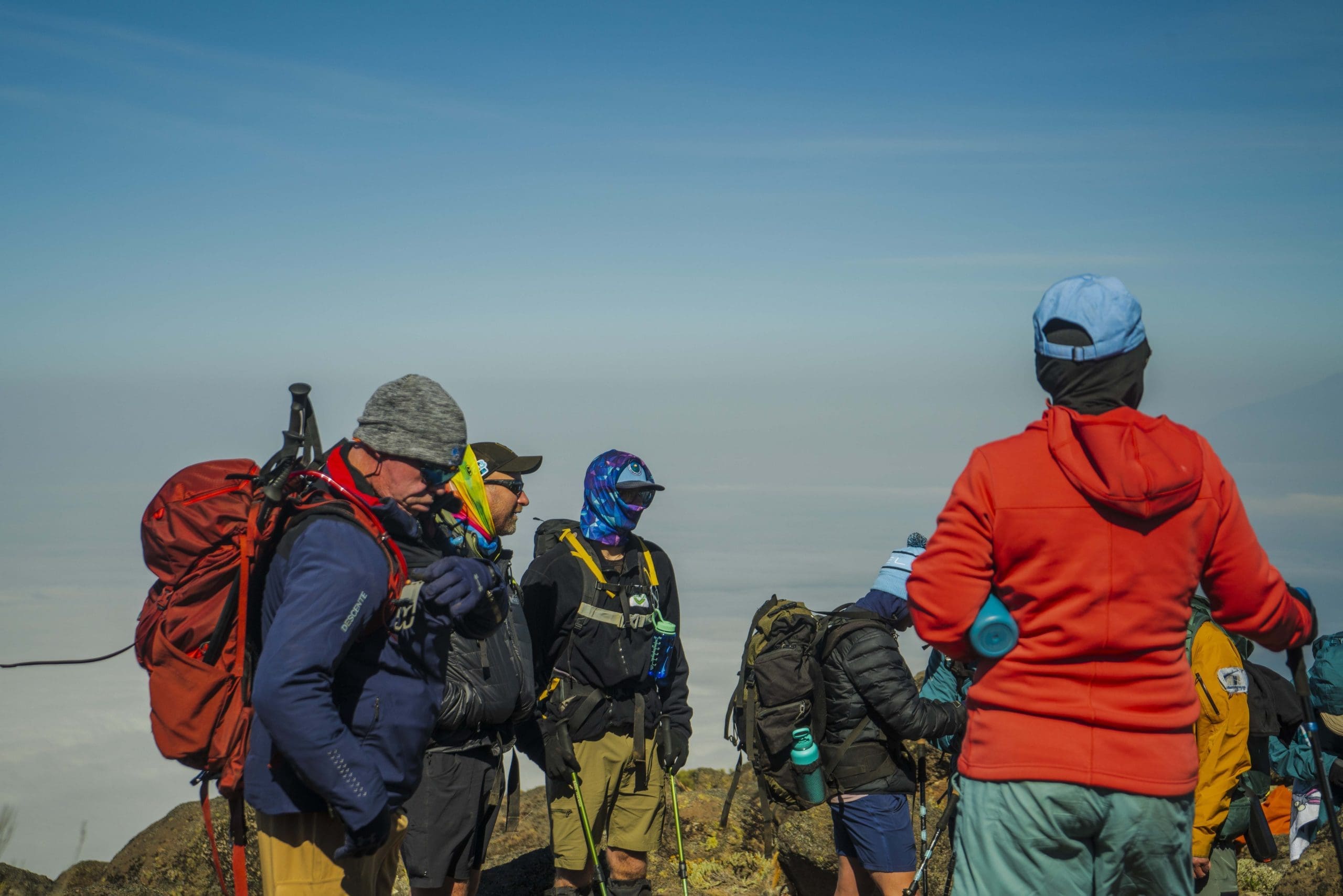
Experienced climbers may prefer to travel with their own gear tools. Beginners can simply rent these tools to reduce the need for travel luggage. You will need insulated mountaineering boots to keep warm in freezing conditions. Thermal headgear is necessary to protect your face from frostbite. Crampons, GPS devices, traditional maps, and trekking poles are also essential for the trip.
Hydration and Nutrition
At high altitudes, your body burns energy and loses fluids faster. Neglecting adequate hydration and nutrition exposes you to worsening health conditions. On Mount Elbrus, you should aim to drink at least three to four litres of fluid each day, both during acclimatisation and on summit day. Additionally, consider investing in energy snacks such as granola bars, dried fruits, or energy gels. They are easy to carry, and they digest quickly on the climb.
Altitude Monitoring
On the highest mountain in the Alps, the weather can shift within minutes. Climbers and guides do not attempt to summit in a single day. Instead, they reserve days to monitor forecasts and understand how the wind blows. During the days leading up to summit day, climbers spend time acclimatising to the weather and the routes. Routines include practice hikes from the base camp to higher huts, followed by descents to sleep at lower altitudes.
After about 6 days of acclimatising, the summit day climb begins in the early hours of the morning. The goal is to take advantage of calmer weather and firmer snow conditions before the sun rises and winds pick up. Most climbers reach the peak at sunset, after hours of climbing. Descent is equally as demanding as ascent. You need to bring in all you’ve learnt in preparation for a successful descent.
Choose a Reputable Tour Operator:
Hiring a local guide increases your chances of a safe and successful navigation. A reliable tour operator can make all the difference in your journey to the continent’s tallest mountain. Tour operators understand the terrain intimately. They provide critical medical, rescue, and insurance coverage. After receiving proper training and gaining experience, they can effectively manage inherent climbing risks and accidents.
Choose a tour operator with expertise and experience for a safer, more structured, and informed experience on the highest mountain in Europe.
Comparing Mount Kilimanjaro and Mount Elbrus
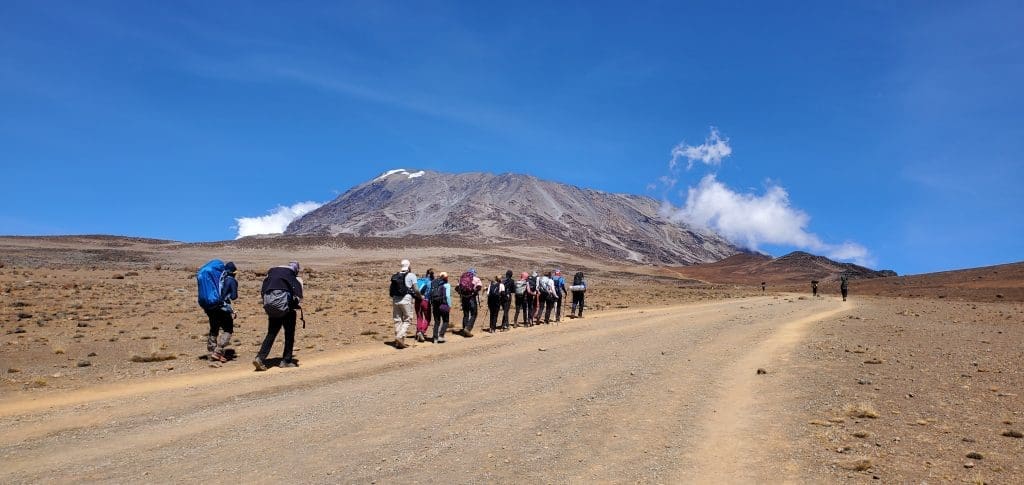
In terms of height, Kilimanjaro stands at 5,895 meters, making it slightly higher than Elbrus, which reaches 5,642 meters. Climbing Kilimanjaro is more straightforward. There are multiple well-established trekking routes through which you can get to the top. Elbrus, on the other hand, offers more technical routes, with less predictable weather. While Kilimanjaro’s major issues are oxygen deprivation, Elbrus combines high-altitude challenges with cold and logistical conditions. Ultimately, both peaks demand adequate training for physical and weather endurance.
Frequently Asked Questions about Mount Elbrus
What is the best month to climb Mount Elbrus?
The best months to climb the tallest mountain in Europe are June and July. The weather is more favourable, with longer daylight hours. The daytime temperature rises to +20 °C, while the nighttime temperature drops to -10 °C. Also, the mountain infrastructure, including the cable cars, is fully operational.
Is it challenging to climb Elbrus?
Mt Elbrus has a Russian 5A classification, making it one of the most challenging peaks to climb. You have 20- to 30-degree steeps, ice glaciers, and unpredictable weather to overcome.
Is Mount Elbrus Steep?
Mount Elbrus features several steep angles, particularly at its highest peaks. The west summit features a steep ice slope that requires crampons and ropes. However, the ascent is relatively long with steady slopes from the base.