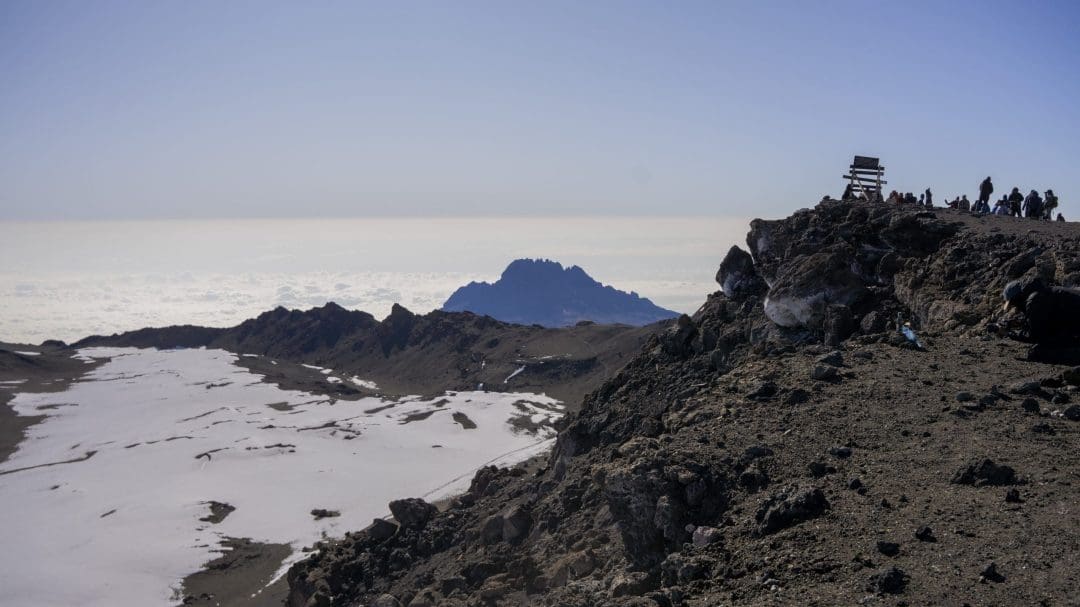


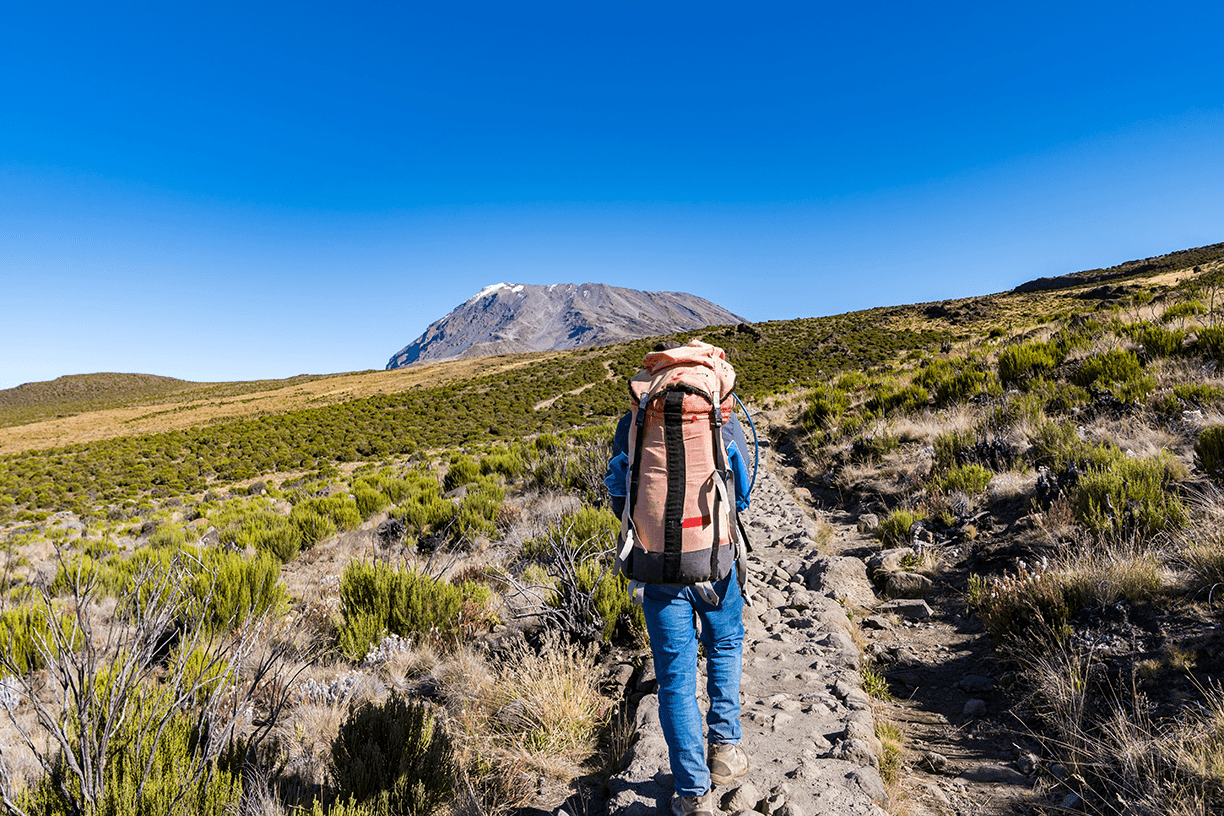
Mount Kilimanjaro, located in Tanzania, is the highest mountain in Africa and proudly represents the continent among the Seven Summits as its highest peak. Kilimanjaro’s height is 5,895 meters (19,341 feet) above sea level. Known as the Roof of Africa and celebrated as the world’s largest free-standing mountain.
As one of the most iconic landmarks in Africa, Kilimanjaro attracts adventurers from around the globe. Many people often wonder, “When is the best time to climb Kilimanjaro?” As an editor from Zara Tanzania Adventures, I will guide you through the best time of the year to climb this mountain, ensuring it’s in your favour.
Before going further, it is better to understand the Kilimanjaro climate zones, which are the cultivated or bushland zone, rainforest zone, Heath and moorland zone, alpine desert zone and arctic zone. Both these zones play a significant role in determining the best season to climb Mount Kilimanjaro.
Best time to summit Kilimanjaro: Month-by-month breakdown.
The best time to climb Mount Kilimanjaro largely depends on the weather, which varies throughout the year. There are two Kilimanjaro climbing seasons to consider: the dry and rainy seasons. Each season offers different experiences, and understanding the climate patterns can help you decide when to embark on this remarkable adventure.
Climbing Kilimanjaro during the Dry season.
The dry season on Mount Kilimanjaro is divided into two main periods, both providing excellent climbing conditions. Expect clear skies, wide-ranging views, and stable weather with only minimal rainfall. Daytime temperatures at lower elevations remain mild and pleasant, while nights grow colder as you ascend with temperatures near the summit often dropping below freezing.
Long dry season from late june - october.
These months are widely regarded as the best time to climb Mount Kilimanjaro. At this time Kilimanjaro tends to experiences reliable dry weather, minimal rainfall and clear skies that create ideal trekking conditions. Temperatures remain moderate, though they can fall sharply as you ascend to higher elevations. This period draws the highest number of climbers, as it offers the most favorable conditions for a successful summit attempt. The dry trails are also safer and easier to navigate, particularly in the more challenging sections. Consequently, June to October is the busiest time on the mountain, so travelers seeking a quieter experience should plan and book early.
Bonus Tip: During this period, Kilimanjaro tends to be more crowded since it coincides with the European summer months (June to August), when many travelers take their annual vacations.
Short dry season from December to mid-March
This period provides some of the most ideal conditions for climbing Mount Kilimanjaro. Weather conditions are generally dry and stable, with comfortable daytime temperatures that make trekking more enjoyable. Also, nighttime remains cold, particularly at higher elevations, but the clear skies and calm conditions create an excellent environment for a scenic and rewarding climb.
Climbing Kilimanjaro during the Rainy Season.
The rainy season on Mount Kilimanjaro is divided into two periods: mid-March to May and November to December. These months bring wetter weather, which can make the climb more challenging.
Long rainy season from mid-March to May
During this period, the mountain’s trails can become muddy, slippery, and more challenging to navigate. Rain showers are frequent, and temperatures at higher altitudes can drop, leading to colder conditions and an increased chance of encountering snow or ice on the summit.
While some trekkers may choose to avoid these months due to the harsher weather conditions, there are certain benefits to climbing during the rainy season. One advantage is fewer crowds. Since most tourists prefer to climb during the dry season, the mountain is much quieter, allowing climbers to experience a more peaceful and serene ascent. The lush green landscapes during the rainy season also provide a different perspective on Kilimanjaro’s beauty, and the rainforests and vegetation are particularly vibrant.
Short rainy season, November to December
This time coincides with the Christmas and New Year holidays. Although it is part of the rainy season, this period still attracts many climbers who wish to take advantage of the holiday break to summit the mountain. While there is more rainfall compared to the dry months, the weather is generally less severe than during the mid-March to May period. Climbers who venture to Kilimanjaro during the holidays will experience some rainfall, but it’s usually intermittent and less intense than earlier in the year. Additionally, the festive season can provide a unique and joyful atmosphere, making it a special time to conquer the peak.
Choosing the best time to climb Kilimanjaro
Ultimately, the Best time to climb Mount Kilimanjaro largely depends on personal preferences and priorities. For those who enjoy dry, clear weather, with excellent visibility and comfortable temperatures, the dry seasons, from January to mid-March and June to October, offer the most favorable conditions. However, if you are seeking a quieter, more peaceful climb and don’t mind encountering some rain, the rainy season offers a unique, less crowded experience. Whether you climb during the dry season or the rainy season, Kilimanjaro remains an awe-inspiring destination, offering an unforgettable adventure regardless of the time of year.
What considerations should you take When Deciding the Best Time to climb Mount Kilimanjaro?
While choosing the best time for your climbing Kilimanjaro tour, it’s essential to consider more than just the weather. Factors such as physical preparation, route selection, travel logistics, and the right gear can significantly impact your Kili climb experience. Proper planning ensures that you have a safe, enjoyable, and successful summit of Mt. Kilimanjaro.
1. Physical Preparation
Climbing Kilimanjaro is a challenging adventure that requires good physical conditioning. Regardless of the season, trekkers should prepare by engaging in regular cardiovascular and strength training exercises. Hiking on varied terrain with a weighted backpack helps simulate the conditions of Kilimanjaro treks, improving endurance and muscle strength. Acclimatization is another critical factor—choosing a longer route allows your body to adjust to the altitude gradually, increasing your chances of a successful summit. Those planning a Kilimanjaro hike should also consult their doctor about altitude sickness prevention and overall fitness recommendations.
2. Route Selection
Selecting the right route for your Kilimanjaro adventure is crucial, as different routes offer varying levels of difficulty, scenery, and acclimatization periods. Popular options include the Machame, Lemosho, and Rongai routes, each providing unique experiences. Some routes, like Marangu, offer hut accommodations instead of tents, which might be preferable during the rainy season. Longer routes, such as Lemosho and Northern Circuit, allow for better acclimatization, reducing the risk of altitude sickness. Climbers should consider their fitness level, trekking experience, and preferred level of comfort when choosing a route.
3. Travel Logistics
Planning your Tanzania trip involves more than just selecting a season for your Kilimanjaro trek. Travelers should factor in international flights, visa requirements, and accommodations before and after the climb. Arriving in Tanzania at least a day or two before starting the trek allows for rest and last-minute gear checks. Many climbers also combine their Kilimanjaro climbing with a Tanzania safari or a relaxing trip to Zanzibar Beaches after the climb. Understanding entry requirements, booking accommodations in advance, and ensuring proper travel insurance can make your journey smoother.
4. Essential Gear for Kilimanjaro
Regardless of when you climb, having the right gear is vital for a comfortable and successful Kili climb. Layers are essential, as temperatures vary significantly between the rainforest, alpine desert, and summit zones. A high-quality sleeping bag, moisture-wicking clothing, waterproof gear, and insulated boots are must-haves for all seasons. Those climbing during the rainy season should ensure their gear is fully waterproof, while dry-season trekkers should bring sun protection and warm layers for summit night. Investing in good hiking poles and a comfortable backpack will also enhance your overall experience.
Final Thoughts
While the best time to climb Kilimanjaro depends on weather conditions, factors like physical fitness, route selection, travel planning, and proper gear should also be carefully considered. Whether you choose to trek during the dry season or take on the challenge of a rainy season ascent, thorough preparation will make your Kilimanjaro trekking tour a memorable and rewarding experience.
Climb Kilimanjaro at the Best Time with Zara Tanzania Adventures
With over 37 years of experience in organizing Kilimanjaro trekking tours, Zara Tanzania Adventures is the trusted choice for climbers looking for a safe, well-planned, and unforgettable journey. Our expert guides have led thousands of successful summit attempts, ensuring the best chance for you to reach Uhuru Peak.
We provide top-quality equipment, comfortable accommodations before and after your trek, and delicious, energy-packed meals to keep you fueled throughout the climb. Our commitment to sustainable tourism and community development through Zara charity means that every trek supports local communities and conservation efforts in Tanzania.
Whether you’re an experienced mountaineer or a first-time trekker, our team is here to tailor your Kilimanjaro adventure to your needs. From personalized route recommendations to seamless logistics, we take care of every detail so you can focus on the climb.
Start planning your Kilimanjaro adventure today! Toll Free: (866) 551-3136 or plan to book your trip with Zara Tanzania Adventures online.