

Mount Kilimanjaro packing list
Mount Kilimanjaro trek preparation involves not only fitness but also proper equipment. The most essential things in a successful climb are the gear you bring along, the way you layer, and the manner in which you prepare for the cold, which can change from a warm forest path to a freezing night up the mountain.
This Kilimanjaro Packing List will help you pack everything you need, including clothes and gear, as well as personal items often overlooked by climbers. No matter which side of the trail you are on, whether on a guided tour or a hiking expedition, having the right gear can give you confidence as you walk to the summit.
This page also presents detailed gear categories, sample checklists, and expert opinion, based on the best references and real climbers’ experience.
What Do You Need On Your Mount Kilimanjaro Packing List?
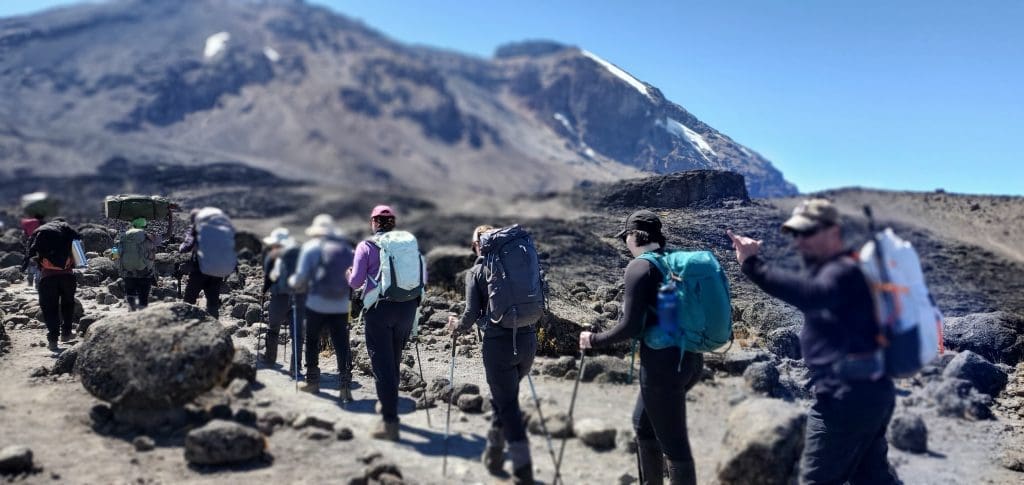
Mount Kilimanjaro packing list should equip you against five climatic zones:
- Cultivation Zone
- Rainforest Zone
- Heath and moorland Zone
- Alpine Desert Zone
- Arctic summit zone
Due to such radical changes, climbers use a layering system to keep their bodies warm, dry, and comfortable. Smart packing also saves weight while remaining safe.
Below is a complete breakdown of what to include when packing for Kilimanjaro, with explanations and simple checklists.
What Clothing Should You Pack for Your Kilimanjaro Climb?
Your clothing must handle everything from hot, humid conditions to freezing summit temperatures.
Base Layers (Inner Layers)
The clothing that is closest to your skin is called a base layer. The reason they are essential is that they control the body temperature, absorb the sweat, and keep you dry as you ascend through the various climate zones of Kilimanjaro. A good base layer will keep you warm, prevent chills, and eliminate discomfort, even at elevated altitudes.
An appropriate base layer must consist of:
2–3 moisture-wicking tops
These ensure that sweat does not touch your body, particularly when you are climbing long distances through the rainforest or even walking in the hot sun. Synthetic fabrics, such as merino wool or synthetic blends, dry quickly and do not leave your clothing wet.
1-2 merino wool long-sleeve shirts.
One of the most suitable materials for a Kilimanjaro trek is merino wool. It is warm when wet, and does not reek after long days on the trail, and is soft to the skin. Climbers can wear such shirts when sleeping or when approaching cooler areas such as the alpine desert.
Heavyweight or midweight thermal leggings
Thermal bottoms keep your legs warm against cold winds and freezing summit temperatures. Most days are appropriate with mid-weight thermals. Summit night with heavyweight thermals is best when the temperature drops sharply.
Sports bra (if needed)
Select a high-support, breathable one. It must dry quickly and remain comfortable during long walks.
Breathable underwear (not cotton)
Cotton also absorbs sweat and stays wet, which can cause your body to overheat. Underwear made of breathable synthetic or wool remains dry and friction-free.
Mid Layers (Insulation)
Mid layers are also worn over your base layers. They are designed to retain body heat and provide a barrier against the cold. These layers will be used frequently on the mountain, in camp evenings, on early-morning hikes, and in the desert alpine area where the weather is starting to change.
Essential middle-level products are:
Fleece jacket or pullover
Fleece is lightweight, breathable, and warm. It is effective in moorland and alpine desert regions, particularly in the late afternoon. When you are sleeping in your tent at night, a thick fleece is also a plus.
Lightweight puffy jacket
A puffy jacket (synthetic or down) is an additional source of warmth that is not too heavy. It is compact, so it fits in your daypack. This is commonly worn by climbers when they take a break, at campsites, and in colder sections of the trail.
Insulated synthetic jacket
Synthetic insulation does not lose effectiveness when the jacket becomes slightly wet from fog or sweat. This makes it advisable when there is unpredictable weather in the mountains. It can be used during summit night and windy seasons around Barafu or Kibo Hut.
Outer Layers (Shell)
Outer layers protect you from the environment. The weather of Kilimanjaro varies rapidly, as the sun can turn into rain, wind, or snow in a matter of minutes; thus, a shell layer is also one of the top items in your Kilimanjaro packing list.
Your shell layer ought to consist of:
Waterproof jacket (Gore-Tex or similar)
A waterproof shell prevents rain and wind but does not retain sweat. This can help you stay dry when you get caught in unexpected rain in the rainforest or snow bursts in the alpine region. Seam-sealed and adjustable-hood jackets are more protective.
Waterproof pants
They are worn over your trekking pants during rain or whenever the trail is wet. They also help when it is snowing or there is an icy wind during the night of the summit. Seek side zippers that allow one to wear them without removing boots.
Windproof shell
You will see strong, cold winds as you move upwards. A windproof jacket or shell layer traps in warmth and protects you against the elements. This layer is significant around the Stella Point and Uhuru Peak.
Gaiters (are handy in scree about the summit)
Gaiters are used to cover the gap between your pants and hiking boots. They prevent dust, rocks, and even snow from getting into your shoes. They come particularly in handy in traversing the loose volcanic gravel (scree) on the route to the summit.
Why outer layers matter:
This category is vital during the summit night. The wind may be brisk and intense, and temperatures may drop to -10 °C to -20 °C. In the absence of an appropriate shell layer, heat is dissipated easily, and the last parts of the climb are significantly more difficult. Good shell gear will keep your body warm when it is extremely cold and will also help you stay energized until you reach Uhuru Peak.
Trekking Pants & Shorts
When climbing Kilimanjaro, your legs experience significant changes in temperature between the warm tropical forest temperature and the freezing summit temperature. That is why it is necessary to have the right mix of pants and shorts. Each composition has its purpose based on the weather, time of day, and altitude.
You’ll need the following when packing for Kilimanjaro:
1 pair of trekking shorts
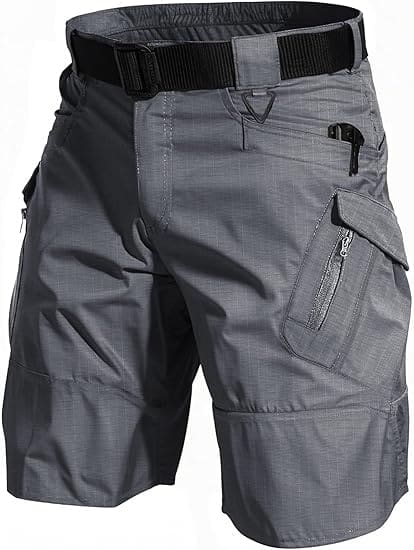
They will come in handy during the first day or two of the trek when you are walking through the humid rainforest region. Shorts are cool, less sweaty, and easy to move around in. Select a light, fast-drying material to ensure your shorts do not stick or remain wet in light rain or mist.
2 pairs of trekking pants
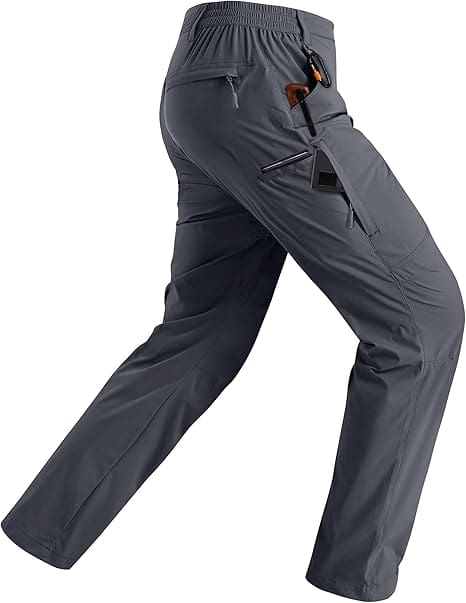
Good trekking pants should be breathable, stretchy, and fast-drying. You will be using them in the moorland area and higher up, where temperatures begin to drop.
Find pants with: a stretchy material to help you climb steep slopes, strong knees to keep them long-lasting, a zippered pocket to hold snacks or other small items, and a waterproof coating to keep the rain out on rainy days.
1 insulated pant layer for summit night
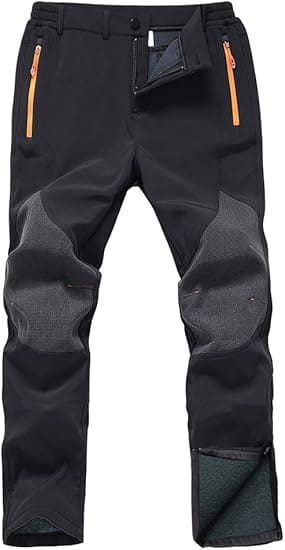
The night of the summit is expected to be freezing, with temperatures possibly down to -10 °C to -20 °C and strong winds. The insulated layer of the pants keeps your legs warm as you push up to Uhuru Peak.
Some recommended items to bring include fleece-lined or synthetic-insulated pants and a warm thermal bottom-and-shell combo.
Convertible pants
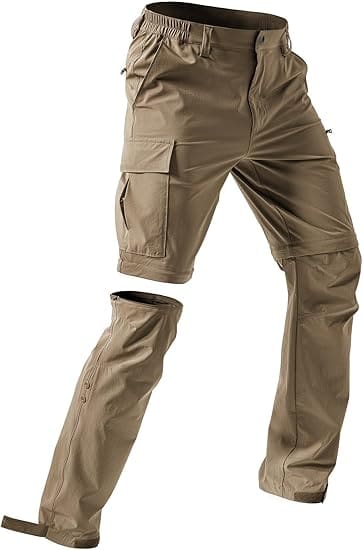
Convertible pants (zip-off pants) are excellent in the lower altitudes where the weather is unpredictable. You can wear shorts at the beginning of the day, fasten the bottom when it is colder, and unbutton it when it becomes hot.
They are helpful in rainforest and cloud forest areas, as well as in areas with cool afternoons and warm mornings.
Footwear and Socks
One of the most important items on your Mount Kilimanjaro packing list is proper shoes.
Boots
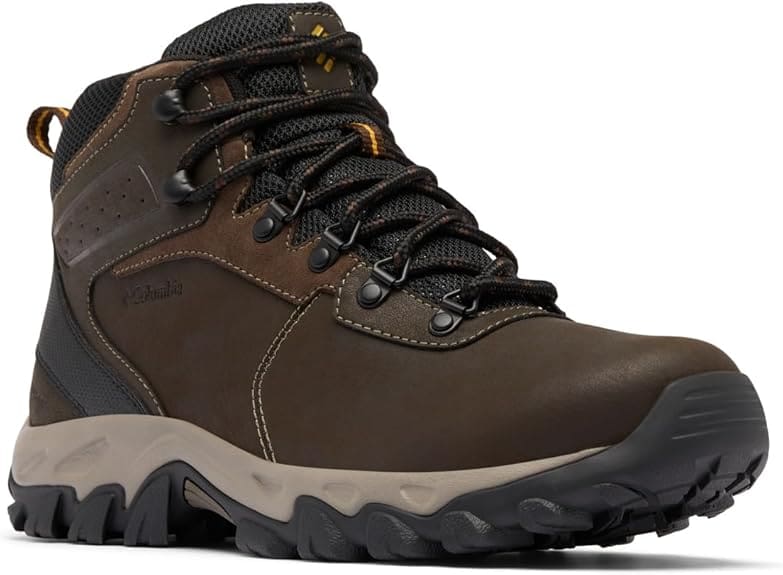
Choose:
- High-ankle, waterproof boots
- Good grip and strong insulation
- Already broken in (at least 2–3 weeks of usage)
The brands climbers most often use are Lowa, Salomon, La Sportiva, and Scarpa.
Socks
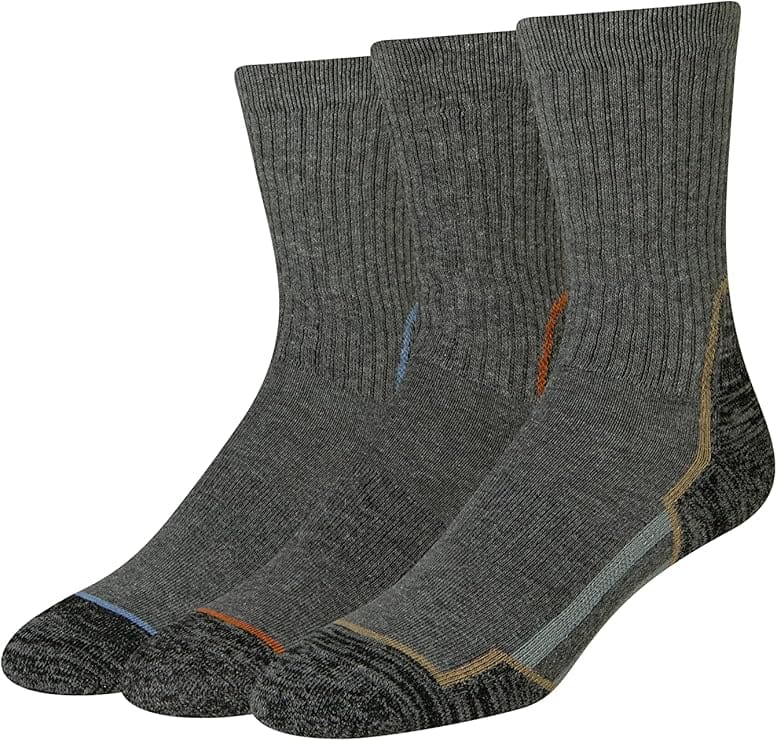
Bring:
- 3–4 pairs of merino wool walking socks
- 1–2 liner socks
- 1 heavy pair for summit night
Liner socks prevent blisters.
Headwear and Handwear
You have to protect your hands and head against the sun, cold, and the wind.
Headwear
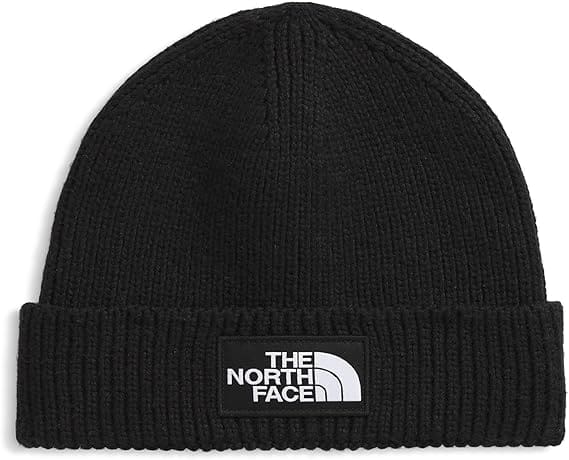
- Sun hat
- Warm beanie
- Neck buff
- Sunglasses with protective factors against UV (which are necessary at high altitudes).
Gloves
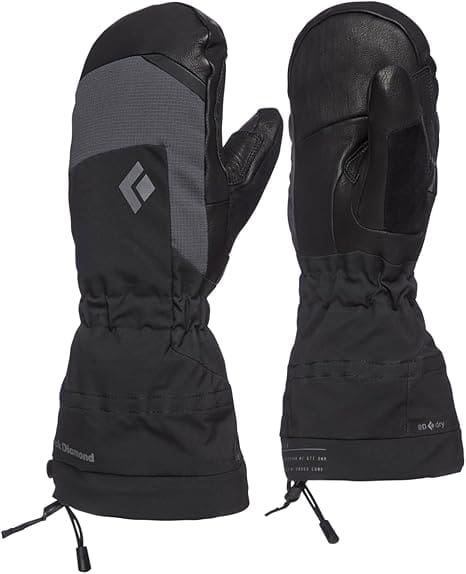
- Inner glove liners
- Summit night Insulated gloves.
- Waterproof shell gloves
Summit nights may drop down to -10C to -20C; hence, good gloves are essential.
Sleeping Gear
You must sleep warmly to recover well.
What to Bring
- Sleeping bag rated to –15°C or lower
- Sleeping bag liner
- Inflatable pillow (optional)
A down sleeping bag is preferred for its warmth-to-weight ratio.
Bags and Daypacks
Selecting appropriate bags when packing for Kilimanjaro is as crucial as choosing your clothing. The way you move, how well you can reach essentials on the trail, and the safety of your gear when packed are all determined by your backpack system. Most trekkers pack two bags: a larger duffel bag carried by the porters and a smaller daypack you carry. Knowing what each bag contains will keep you organised and prepared during the climb.
Main Duffel Bag
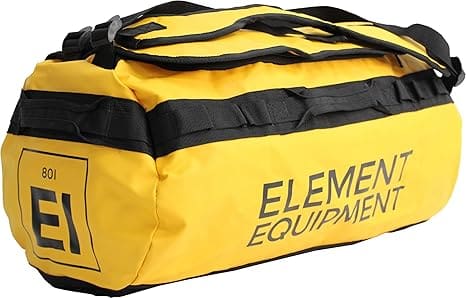
Porters will carry this. Choose:
- 70–90L duffel bag
- Waterproof material
- Durable zippers
Daypack
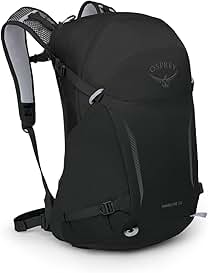
You will carry this yourself
- 25–35L
- Hip belt for support
- Rain cover included
Keep water, snacks, camera, extra layers, and personal items here.
Trekking Gear & Accessories.
This section outlines the equipment you will use during your Kilimanjaro climb.
Trekking Gear
- Trekking poles (highly recommended)
- Headlamp with extra batteries
- Water bottles or hydration bladder (2–3L total)
- Gaiters
- Microspikes (sometimes used on snow sections)
Navigation & Electronics
- Phone (aeroplane mode saves battery)
- Power bank
- Camera (optional)
- Spare SD card
- Portable charger
Toiletries and Personal Essentials
These are items that enhance comfort and hygiene.
Toiletries
- Biodegradable soap
- Toothbrush & toothpaste
- Quick-dry towel
- Wet wipes
- Lip balm
- Hand sanitizer
Health and Safety
- Sunscreen (high SPF)
- Diamox (if approved by your doctor)
- Ibuprofen or mild pain medication
- Basic first aid kit
- Blister kit
- Water purification tablets
Food, Snacks, and Hydration
Although your trekking team provides meals, snacks help maintain steady energy levels.
Bring:
- Energy bars
- Electrolyte tablets
- Trail mixes
- Honey or energy gel packets
- Rehydration salts
A person needs to drink more at higher altitudes and in that case take 3-4 liters of water per day.
Extra Items to Pack
These often get forgotten, but help a lot:
- Earplugs
- Travel wallet
- Tissue paper
- Ziplock bags for organizing gear
- Small notebook
- Pen
- Spare shoelaces
- Plastic bags for dirty clothes
Knowing What Zara Tanzania Adventures Provides
You do not need to bring:
- Tents
- Sleeping mats
- Cooking equipment
- Meals
- Dining tents
- Chairs
- Water for refilling
Our service style is one of the reasons many climbers choose to climb Mount Kilimanjaro with us.
Many trekkers compare these items with what’s needed for the summit push. If you want to see how this gear supports you at the final stretch, explore this guide to the Mount Kilimanjaro summit, where you’ll understand how layering and equipment work together at extreme altitude.
Sample 7-Day Kilimanjaro Packing Checklist
Here is an easy-to-follow checklist you can use while preparing for your 7-day Kilimanjaro trek. It gives you a quick overview of the essential items from each category, ranging from clothing, gear, accessories, and personal items, so you can double-check everything before you travel. You can save this Kilimanjaro packing list, print it out, or use it as a final packing reminder.
Clothing
- 3 base layers
- 2 mid layers
- 1 warm jacket
- Rain jacket + rain pants
- Thermals
- 3–4 socks
- Down jacket
- Summit gloves
Footwear
- Waterproof boots
- Camp shoes
Gear
- Trekking poles
- Headlamp
- 2–3L hydration
- Duffel bag
- Daypack
Health
- First aid
- Sunscreen
- Lip balm
- Diamox (doctor-approved)
Extras
- Camera
- Dry bags
- Snacks
- Toiletries
FAQs About Packing for Kilimanjaro
What Should I Pack for Kilimanjaro That People Often Forget?
Many people forget lip balm, blister plasters, spare batteries, and neck buffs, yet these small items make a huge difference on summit night.
How Cold Does Kilimanjaro Get at Night?
Temperatures at Barafu Camp and the summit can fall to –10°C to –20°C. That’s why summit gear must be high-quality.
Do You Need Oxygen When Climbing Kilimanjaro?
Supplemental oxygen is not required for most climbers, but licensed guides carry emergency oxygen.
What Bag Do Porters Carry on Kilimanjaro?
Porters carry one main duffel bag (up to 15 kg). Climbers must keep valuables, water, and layers in a daypack.
REVIEWS & TESTIMONIALS