

Climbing Mount Meru
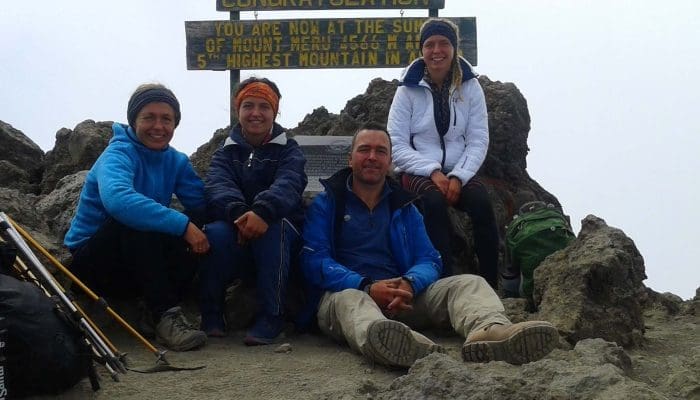
Mount Meru is one of the most fascinating peaks in East Africa. Sitting within Arusha National Park, Tanzania, Mount Meru stands at 4,566 meters (14,980 feet), making it the second-highest mountain in Tanzania after Mount Kilimanjaro and one of the highest peaks in East Africa.
Known for its horseshoe-shaped crater and ash cone, Mount Meru offers a 3-4-day trek to the summit, providing panoramic views of the savanna. However, for the locals, the peak is more than just a hiking spot or some natural wonder. To them, the mountain is of deep spiritual and cultural significance.

Unique Features Of Mount Meru, Tanzania
Before getting into the details of how to climb Mount Meru successfully, take a look at some unique features of the mountain.
Horseshoe-Shaped Crater
The most apparent feature of Mount Meru is its horseshoe-shaped crater. This crater was formed by a massive volcanic explosion about 7,800 years ago.
The horseshoe-shaped crater forms a dramatic bowl and gives a wide view of the ash cone and surrounding savanna.
Ecological Biodiversity
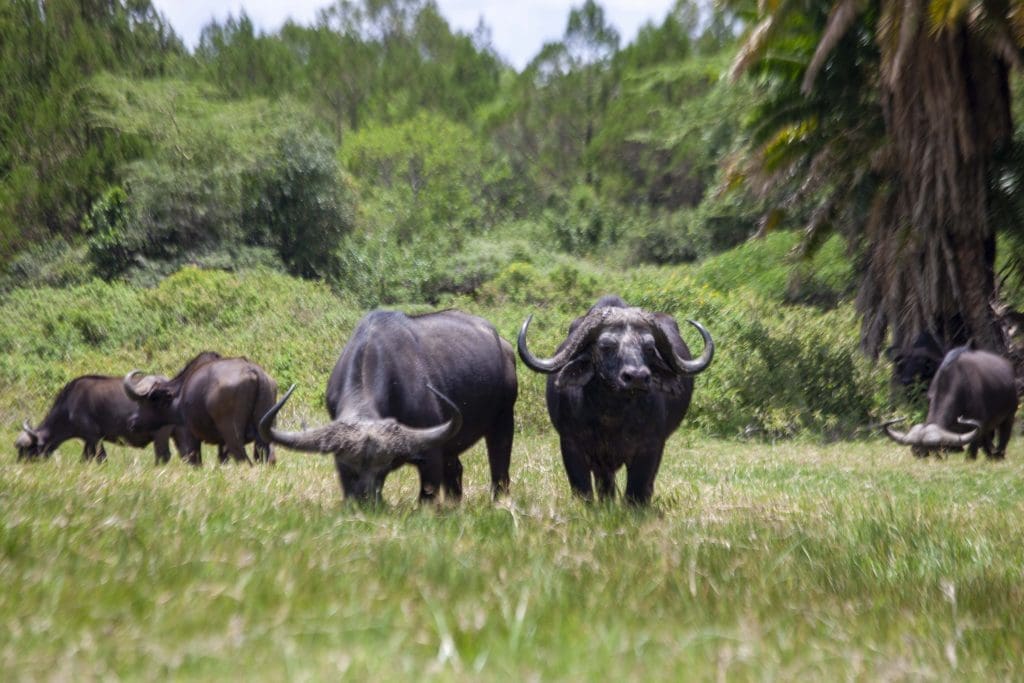
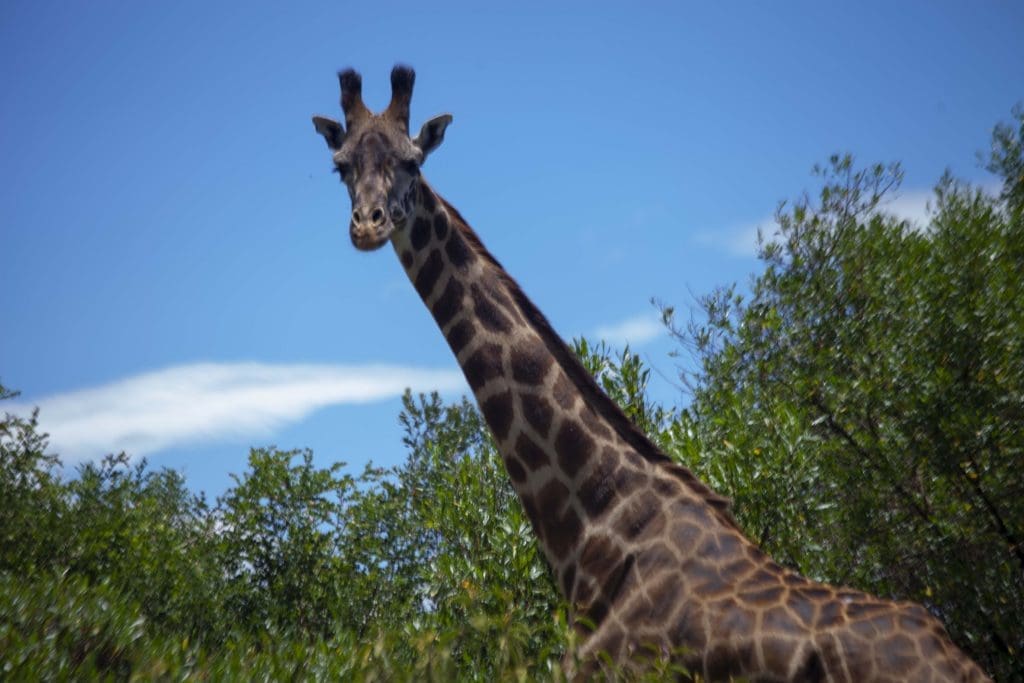
The Meru mountain is home to a wide variety of wildlife. The mountain supports several ecological zones that change with elevation.
At the base, woodland and grassland dominate. Higher up, thicker forests cover the slopes. Near the peak, vegetation becomes shorter and sparser.
The types of animals observed also depend on the peak season. Giraffes and buffalo roam the plains around the lower slopes. Colobus and blue monkeys move through forested areas. Birdlife is also extensive, with eagles often spotted near the crater walls.
These diverse habitats make Meru Mountain a research focus. Scientists often visit protected areas to study forest recovery, volcanic soil patterns, and wildlife interactions.
Cultural And Spiritual Significance
The locals revere the mountain as a symbol of strength and resilience. The indigenous tribes of Meru and Chaga have narratives woven into their cultures about the mountain, which they view as sacred.
The name Mount Meru also corresponds to a sacred mountain in Hindu and Buddhist traditions. While it is clear that the holy mountains have no connection to Mount Meru, some hikers still ascribe spiritual significance to them because of their shared name.
Recreation and Travel Experience
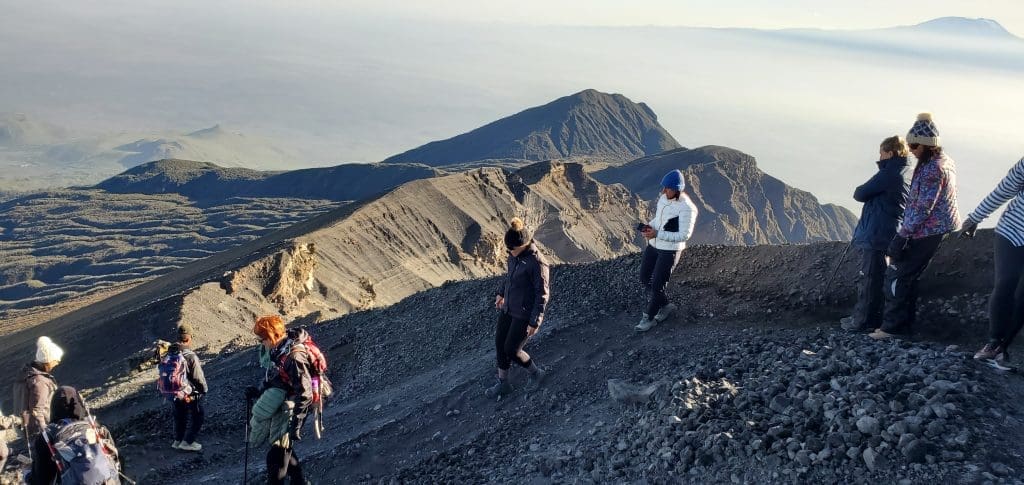
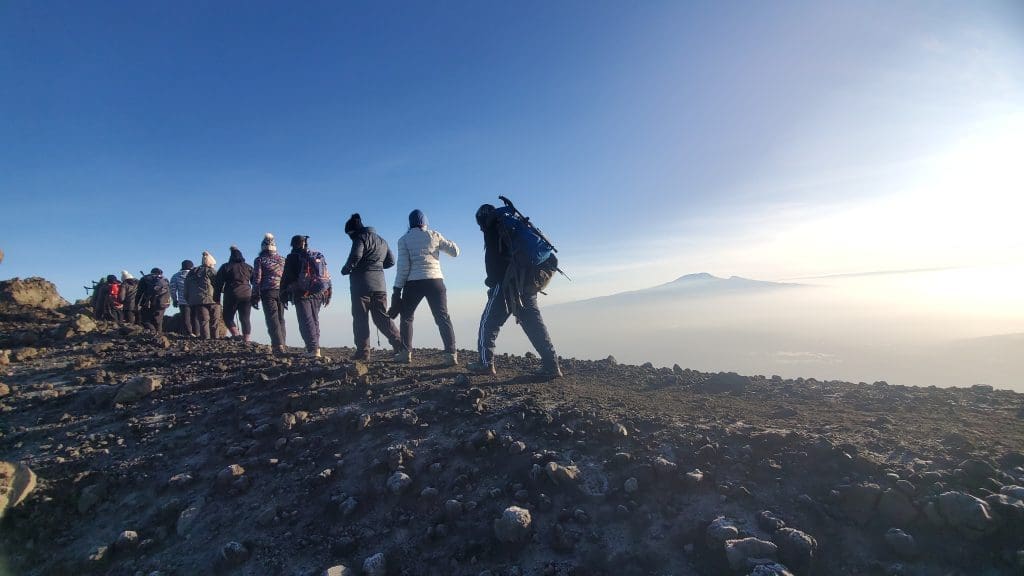
As hikers climb Mount Meru, they enjoy stories, traditions, and customs that reflect the mountain’s importance to locals, from rituals to celebrations honouring the natural world. And at the summit, hikers enjoy a sweeping view of the savanna.
Some guides help maintain safety and ensure that climbers stay on the designated path. The route is well maintained, and regular ranger patrols help protect visitors.
The mountain is less crowded than Kilimanjaro and is a perfect spot for anyone seeking a challenging hike without heavy crowds.
Hikers who want to tackle a more challenging climb, such as Kilimanjaro, also use the Mount Meru climb to prepare and warm up.
Unlike some peaks where tents are used, Mount Meru has two permanent huts along the route: the Miriakamba Hut and the Saddle Hut. These huts are located at strategic points aligned with the hiking schedule, ensuring climbers rest when needed. Inside the huts, there are bunk beds, a dining area, and restrooms. Please note that no bedding is provided at the hut; each climber must rent their own sleeping bag.
How To Prepare For Mount Meru Hike
Like every high-altitude climb, anyone coming to Meru Mountain should not just approach casually without adequate preparation. Here are some things to know before going on the Mount Meru hike.
What To Pack for Mount Meru Hike
The Mount Meru hike does not require technical rock-climbing skills, so basic hiking gear is sufficient.
For clothing, bring items of varying thickness. Light clothing works well for lower elevations, while thicker clothing is needed as the climb approaches the summit.
Hikers also need strong hiking boots because the trail has sharp rocks, forest roots, and steep edges. Having a headlamp is a plus because the final push to the summit usually starts before sunrise.
Things to pack for Mount Meru climbing are the same as those on the Mount Kilimanjaro packing list.
Physical Demand For Mount Meru Hike
Although Mount Meru is a moderately challenging climb and suitable for beginners, it still requires a good level of fitness.
The steep sections of the mountain, combined with high altitude, make it more demanding than a typical hike. It’s crucial to conduct endurance training. A good way to start is to do cardio exercises a few days before going on the hike.
Hikers with health conditions should consult their doctors before going on the hike.
What Is The Best Time To Climb Mount Meru
The best time to climb Mount Meru is during the dry season, from June to October and from December to February. During this period, the weather is more stable, the skies are clearer, and rainfall is lower. Clear weather is important because it improves visibility around the crater and the view of Mount Kilimanjaro.
Although climbing is possible at other times, it is much more difficult during the rainy season. Because once it rains, the trail becomes slippery, visibility drops, and storms can make the upper slopes more challenging to navigate.

What Are The Permits and Guides Requirements
Hiking Mount Meru requires a park permit. The permit includes access to the trail, accommodation in the park huts, and ranger support. These rangers accompany every group because the route passes through wildlife zones where animals move freely.
Guides also play an essential role during the climb. They control the pacing of the hike, monitor altitude, and help hikers navigate steep sections. Because the park requires all hikers to hike with guides and rangers, independent trekking is not permitted.
What Is The Cost And Budget Of Climbing Mount Meru
The cost of climbing varies depending on the operator, season, and services included. In general, the price ranges from $750 to $2,000.
This price covers the permits, guide fees, personal gear, and accommodation in mountain huts. Compared to Kilimanjaro, Meru is a much more affordable option.
How Long Does It Take To Complete Mount Meru Hike?
It takes about 3-4 days to complete the Mount Meru hike. Climbers can choose between our 3-day and 4-day route plans below. Both route plans follow the same path; the difference between them is pacing and acclimatization.
The 3-day route plan requires a full descent on summit day. This requires good fitness and endurance, as it involves about 12 hours of trekking in a single day. On the other hand, for the 4-day plan, the final descent is split into two days.
For first-timers and beginners, the 4-day plan is the ideal option as it gives them more time to acclimatize, reduces the stress they might get from trekking, and allows more time to enjoy the scenery and wildlife. Let’s tell you what a typical itinerary for climbing Mount Meru is.
4 Days - 3 Night Itinerary For Climbing Mount Meru
Day 1: Momella Gate to Miriakamba Hut
The climb begins at Momella Gate and lasts about 4-6 hours, ending at Miriakamba hut.
The rangers lead hikers through lower forest zones, where wildlife such as giraffes and buffalo are often seen. The total distance from Momella to Miriakamba is approximately 4 miles (6.4km).
Day 2: Miriakamba Hut to Saddle Hut
The climb continues from Miriakamba to the Saddle Hut. This section is steeper, and the path runs through thicker forest zones.
The distance from Miriakamba to Saddle Hut is approximately 3 miles (4.8km), and the climb takes 3-5 hours.
Some hikers go further by heading to Little Meru. This adds an extra 1 mile (1.6km) and 1-2 hours to complete the trek.
Day 3: Summit Attempt and Return to Miriakamba Hut
The final push for the summit (the socialist peak) begins around 2 am. After reaching the peak, hikers descend to the Saddle Hut for a short break, then continue down to the Miriakamba Hut.
The total distance for this climb is approximately 12 miles (19.3km), and it takes about 8-12 hours to complete (4-6 hours to summit, 4-6 hours descending to Miriakamba Hut)
Day 4: Descent from Miriakamba Hut to Momella Gate
To end the hike, climbers descend to the starting point at Momella Gate.
The total distance of this descent is approximately 4miles (6.4km), and it takes about 2-4 hours to complete.
Mount Meru Success Rate
Mount Meru has a high success rate of over 90%. This is a stark contrast to the success rates of other popular mountains.
It is important to note that whether a climb is successful depends on factors such as the route taken, weather conditions, altitude acclimatization, and the climber’s physical condition. However, one thing is clear: with proper preparation, almost everyone can have a successful climb.
How Difficult Is It To Climb Mount Meru?
The climb is moderately difficult. It is beginner-friendly and does not require technical climbing skills. With the proper preparation, anyone can successfully climb to the summit of Mount Meru.
Can You Climb Mount Meru Without A Guide?
No, you cannot climb Mount Meru without a guide. You must have a licensed guide and an armed park ranger with you throughout the climb. This is because the mountain is in the Arusha National Park. The guide helps you navigate the route and stay on the right path, while the ranger protects you from large animals such as buffalo and Elephants.
Is Mount Meru Harder Than Kilimanjaro?
No, Mount Meru is not harder to climb than Kilimanjaro. While the mountain has very steep sections, it is shorter and easier to complete than Kilimanjaro. In fact, many climbers use Mount Meru as preparation for Kilimanjaro because it helps train the body for high-altitude trekking.
Ready To Climb Mount Meru
Mount Meru may not be the most popular mountain for hiking, but for anyone who wants a great climbing experience without breaking the bank, it remains an excellent choice. And this is not just about affordability.
The mountains’ rich history, local oral traditions, exquisite wildlife, and, most importantly, the beautiful scenery at the summit make visiting the hill worthwhile.
Whether you’re a beginner or an experienced hiker, Mount Meru is a hiking spot everyone should try. Our trekking packages are carefully designed to accommodate climbers of all ages and fitness levels.
Summit Mount Meru with Zara Tanzania Adventures
Choose Zara Tanzania Adventures for your guided trek with our licensed tour operators. Our guided expeditions ensure safety, proper acclimatization, and provide essential support throughout the journey. We are committed to providing you with a safe and memorable experience of summiting one of the most famous peaks in Africa. We guarantee you’ll have an adventure that will leave you with lifelong memories and a profound sense of accomplishment. Join us and conquer Mount Meru, the hidden gem of East Africa.
REVIEWS & TESTIMONIALS