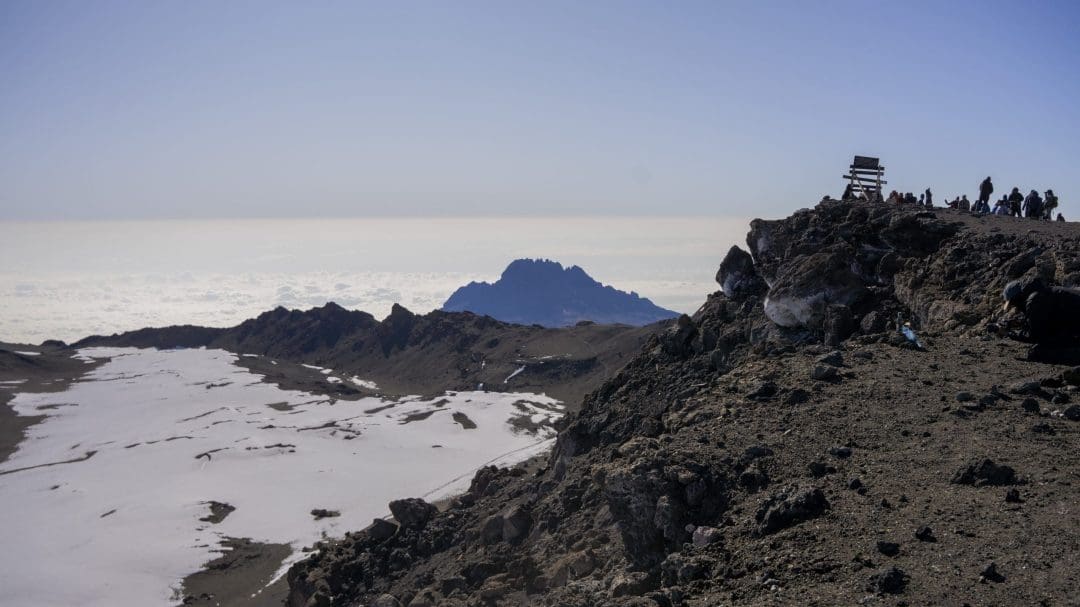


Mount Kilimanjaro is the tallest mountain in Africa, a dormant volcano that rises to 5,895 meters (19,341 feet) above sea level. This roof of Africa, as we fondly call it, poses challenges and attracts thousands of people each year. For those who dream of reaching its snowy summit, careful preparation is key — from choosing the right gear to getting in shape. Yet, there is one more important choice to make before you tie your laces on and set out for the climb, and that is: “Which Mount Kilimanjaro route is best for you?”
Every route to the mountain top has a tale to tell behind it, the foggy rainforests of the Machame Route and the silent north side of the hill on the Rongai Route. The decision on which one to choose depends on your fitness level, experience, the time of acclimatisation, and your personal preference.
Whether you’re a first-time trekker or an experienced climber, we at Zara Tanzania Adventures understand the Mount Kilimanjaro climbing routes and will help you pick a journey that matches your adventure spirit and comfort level.
How Many Routes Does Mount Kilimanjaro Have?
There are seven official Mount Kilimanjaro climbing routes, each with unique terrain, views, and difficulty levels. They include:
- Marangu Route – is the only route with hut accommodation.
- Machame Route (Whiskey Route) is popular for its scenery and challenge.
- The Lemosho Route is famous for its beauty and high success rates.
- Shira Route – joins Lemosho, starting higher up the mountain.
- Rongai Route – is the only route approaching Kilimanjaro from the north.
- Umbwe Route – is the steepest and most direct path to the summit.
- Northern Circuit Route – the longest and most gradual route, perfect for acclimatisation.
If you’d like a clearer idea of how these paths intersect and climb toward the peak, see the Mount Kilimanjaro map for detailed visuals.
Marangu Route – The Classic “Coca-Cola Route”
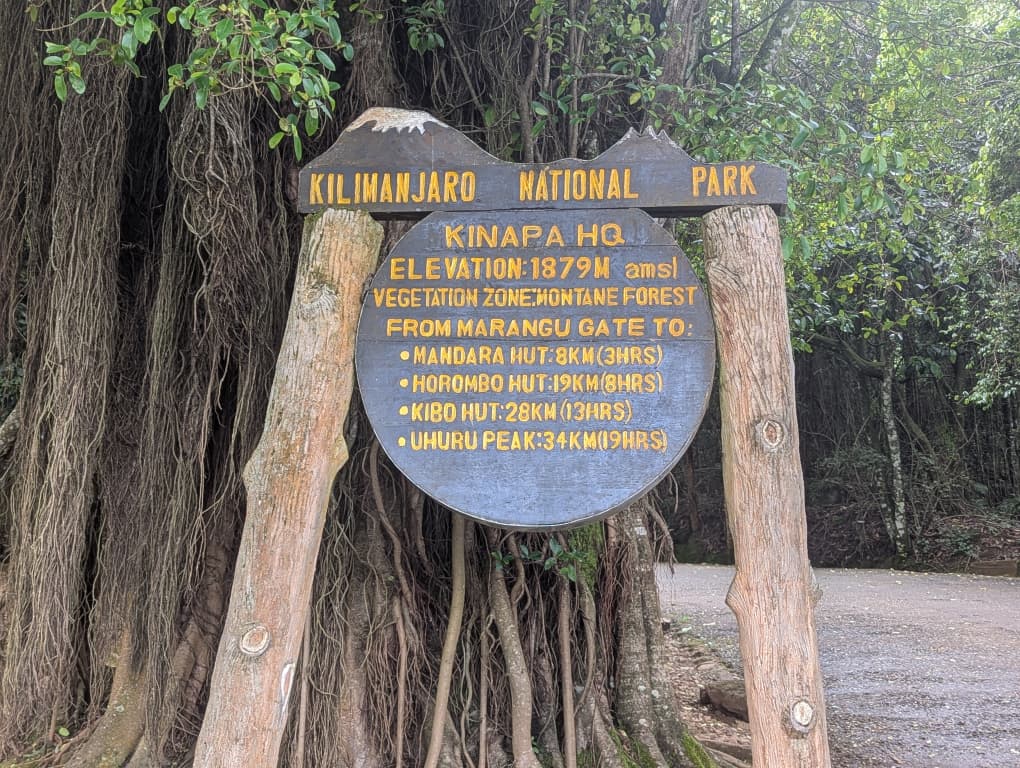
The most traditional and straightforward route to Mount Kilimanjaro is known as the Marangu Route, also referred to as the Coca-Cola Route. Beginning at Marangu Gate on the southeastern side of the slope, the path moves through the green rainforest, moorland, and alpine desert to Uhuru Peak.
It has the only path with hut accommodation, featuring Mandara, Horombo, and Kibo huts, making it the ideal place for a climber to seek comfort instead of camping. We offer this route as part of our Kilimanjaro climbing trips, suitable for those seeking a well-maintained, shorter, and scenic trail.
However, despite its reputation for comfort, the summit night remains a challenge that requires strength, as trekkers ascend to the peak while traversing through thin air and steep scree slopes.
- Duration: 5–6 days
- Difficulty: Moderate
- Scenery: Moderate rainforest and alpine desert views
- Summit Success Rate: ~65%
Ready to book the Lemosho route? Check out our Marangu route package!
Machame Route – The Whiskey Route

The Machame Route starts at Machame Gate, located on the south-western slope of Mount Kilimanjaro. The path also cuts across rainforest, ascends the steep saddles of the Shira Plateau, the Lava Tower, and the Barranco Wall, and finally, Uhuru Peak is attained by passing through Barafu Camp.
- Duration: Typically 6–7 days
- Difficulty: Challenging, with steep sections and variable terrain
- Highlights: Rich scenery through multiple climate zones and excellent acclimatisation opportunities
- Summit Success Rate: ~85%
The Machame Route may challenge your stamina and determination, but its steady altitude gain supports excellent acclimatisation—one of the reasons it’s a favourite among fit and adventurous trekkers.
Ready to book the Machame route? Check out our Machame route package!
Lemosho Route Kilimanjaro – The Most Scenic Path
Lemosho Route Kilimanjaro climb ascends the mountain on the western side, with the trail passing through the remote and scenic Shira Plateau before merging with the Machame trail at Lava Tower. The trail offers panoramic views, dramatic scenery, and gradual altitude ascents; thus, it is among the most suitable trails for acclimatisation.
- Duration: 7–8 days
- Difficulty: Moderate to challenging
- Scenery: Panoramic rainforest, Shira Plateau, and glaciers
- Summit Success Rate: ~90%
Lemosho’s slower pace gives your body more time to adapt to altitude changes, significantly increasing your chances of success. Along the trail, trekkers pass through rich wildlife zones and camp beneath dazzling night skies, an experience few routes can match.
Ready to book the Lemosho route? Check out our Lemosho route package!
Shira Route – Short but Steep Start

The Shira Route begins at an elevated point on the west side of Mount Kilimanjaro, accessible by vehicle, after which one exits and walks into the Shira Plateau. The route then leads to the Machame Route near Lava Tower and further to Barranco Camp and Barafu Camp before the final summit hike.
Because this route begins at a much higher elevation than other routes, climbers must acclimate quickly.
- Duration: 6–7 days
- Difficulty: High (due to altitude gain)
- Scenery: Open moorlands and rocky ridges
- Best For: Experienced trekkers confident at high elevations
Rongai Route – A Quieter Northern Approach
The Rongai Route takes various directions to the summit of the mountain, albeit on the northern side bordering Kenya. It is, hence, one of the quietest and driest routes to the peak. The path begins deep in the wilderness and leads out through the pine forest and open moorland to the Marangu Route, close to the Kibo Hut, from which the final ascent is made.
Due to the reduced rainfall compared to the southern slopes, this route proves to be an excellent alternative during rainy periods and for hikers who prefer quiet and relatively traffic-free trails.
- Duration: 6–7 days
- Difficulty: Moderate
- Scenery: Pine forests, wilderness trails, and views of Mawenzi Peak
- Summit Success Rate: ~85%
This route to the north can be considered an easy environment with a stable altitude profile, allowing a person to acclimate to the elevation while still providing the excitement of reaching the summit of the African continent.
Ready to book the Rongai route? Check out our Rongai route package!
Umbwe Route – The Steepest Climb
The Umbwe Route is the highest and most direct route to climb Kilimanjaro. Beginning to the south, the path ascends rapidly through the thick rainforest to the bare ridges that head to Barranco Camp. Due to the rapid increase in altitude of the ascent, there is not much time to adapt.
This path is not intended for ordinary climbers, but it is suitable for experienced climbers who are strong and confident in steep terrain and knowledgeable about high-altitude trekking.
- Duration: 5–6 days
- Difficulty: Challenging
- Scenery: Sharp ridges and forested slopes
- Success Rate: ~60%
Although the Umbwe Route is a satisfying adventure for the elite, many climbers choose other routes, such as Lemosho or Machame, because they offer more time to acclimatise and a higher chance of success. Because it allows little time for acclimatisation, this route carries a higher risk of altitude sickness.
Ready to book the Umbwe route? Check out our Umbwe route package!
Northern Circuit Route – Longest and Best for Acclimatisation
The Northern Circuit Route encircles the entire northern flank of Kilimanjaro and offers the longest and most acclimatising route to the summit. It begins on the western side of the mountain, similar to the Lemosho Route, passing through the Shira Plateau and heading northward to the remote and least frequented side of the hill.
This route boasts the highest summit success rate of all climbs to Mount Kilimanjaro due to its extended schedule.
- Duration: 8–9 days
- Difficulty: Moderate to challenging due to the length of the trek.
- Scenery: Serene natural surroundings, with high views of the north and the starry skies.
- Summit Success Rate: ~95%
Assuming that you want to climb the top of Kilimanjaro with the highest probability of success, and at the same time enjoy all the scenery that the mountain can provide to the observer, this is an excellent path to follow.
Comparing Mount Kilimanjaro Routes
Route | Duration (Days) | Difficulty | Success Rate | Highlights |
Marangu | 5–6 | Moderate | 65% | Only huts, social climb |
Machame | 6–7 | Challenging | 85% | Diverse scenery |
Lemosho | 7–8 | Moderate–Hard | 90% | Most scenic |
Shira | 6–7 | Hard | 70% | High-altitude start |
Rongai | 6–7 | Moderate | 85% | Dry and peaceful |
Umbwe | 5–6 | Very Hard | 60% | Steep and direct |
Northern Circuit | 8–9 | Moderate | 95% | Best acclimatization |
Which Kilimanjaro Route Is Best for You?

Choosing the best route depends on your goals. Let’s help you streamline your choice:
- For beginners, consider Marangu or Rongai (both are comfortable and steady).
- For scenery, consider the Lemosho or Machame routes (the most picturesque options).
- For being alone: Northern Circuit (remote and peaceful).
- In search of adrenaline: Umbwe (an intense and technical route).
Let your objective be to have the best views and reach the summit. Then, the Lemosho Route on Kilimanjaro or the Northern Circuit would be the most balanced in terms of beauty, comfort, and success.
Now that you can decide on the path that best suits you, it is time to begin planning your journey to get there. And there is nothing to worry about; we have already designed a special guide on how to get to Kilimanjaro, where you can read the travel information and organise your trek at your own pace, according to the season and your level of experience.
Final Thoughts
All the routes on Mount Kilimanjaro offer a unique perspective on the continent’s tallest mountain. Regardless of the path you take, whether it’s the Marangu, Machame, or Lemosho Route, the goal remains the same: to reach the Uhuru Peak, the summit of Mount Kilimanjaro, at 5,895 meters above sea level, with the sunrise illuminating the continent below.
However, whichever route you choose, reaching Uhuru Peak will require preparation, pacing, and an adventurous spirit. Yet if you are unsure which road best aligns with your purposes and preferences, we are ready to assist you. Contact us today, and let’s plan your Kilimanjaro trip together.
Frequently Asked Questions about Kilimanjaro Routes
1. How Many Mount Kilimanjaro Routes Are There?
There are seven official Mount Kilimanjaro climbing routes:
Lemosho, Machame, Marangu, Rongai, Northern Circuit, Shira, and Umbwe. They all offer varying scenery, levels of difficulty, and acclimatisation opportunities, and hence selecting the right one is essential.
2. Which Kilimanjaro Route Has The Highest Success Rate?
The Northern Circuit Route has the highest success rate because it offers the longest itinerary, giving trekkers more time to acclimate to the elevation —a crucial factor in reaching Uhuru Peak safely.
3. How Long Does It Take To Climb Mount Kilimanjaro?
The Kilimanjaro climb may take 5 to 9 days, depending on the route. Longer routes, such as the Northern Circuit, give you more time to adjust to the altitude and reduce the risk of altitude sickness. Shorter routes, such as the Marangu route, are quicker but offer less time for acclimatisation.
4. Do All Routes Reach Uhuru Peak, The Kilimanjaro Summit?
Yes, all official routes lead to Uhuru Peak, the highest point on Mount Kilimanjaro, Africa’s highest mountain. Nevertheless, the routes up are significantly different, and some are more challenging than others.