

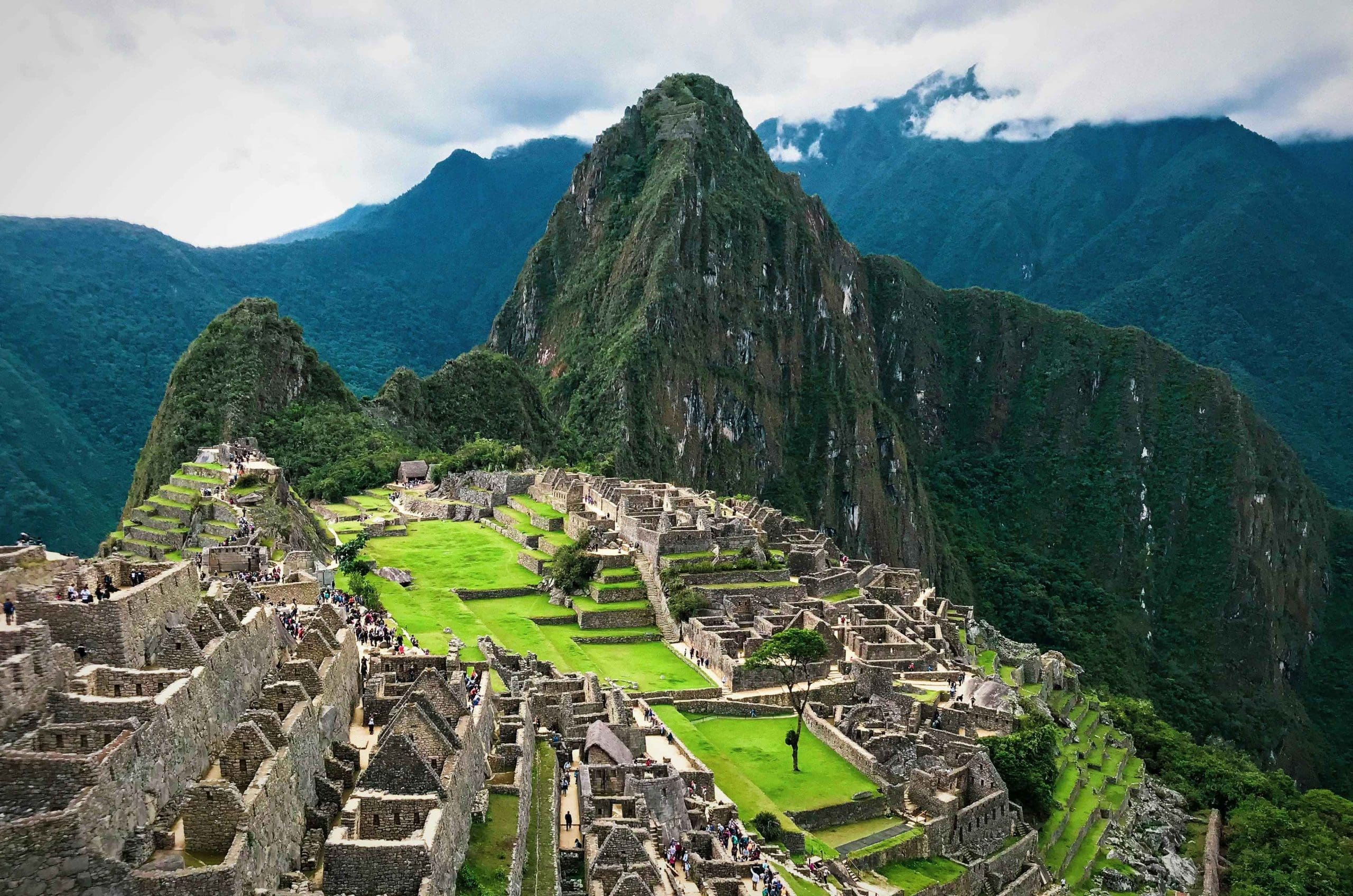
Machu Picchu is one of the most famous archaeological sites in the world. Located high in the Peruvian Andes, it’s an excellent place to be if you want history, scenery, and adventure, all in one location. But before many travellers commit to a visit, they ask a single question: What is the elevation of Machu Picchu, and how will it affect the body?
It’s critical to have some information before visiting. In this manner, you’ll be able to plan appropriately. It also explains why some people feel well, while others develop mild altitude illness symptoms. Machu Picchu’s elevation puts it within a manageable mid-altitude range, unlike more extreme high-altitude locations, for most visitors with some precautions.
Where Is Machu Picchu Located?
Machu Picchu is in southern Peru, in the Andes Mountains overlooking the Urubamba River valley. The site sits between two peaks:
- Machu Picchu Mountain
- Huayna Picchu
The area lies on a narrow ridge, which is why the views are dramatic, and the terraces are steep. The Inca civilisation had a well-planned site that served to protect it, provide farmland, and be of spiritual importance.
Although it is in a mountainous region, the elevation is not too high for sightseers to explore without technical climbing skills.
What Is The Machu Picchu Elevation?
The Machu Picchu elevation is around 2,430 metres (7,972 feet) above sea level. This places it in the mid-altitude range rather than the extreme-high-altitude range.
The facts at this height include the following:
- The oxygen level is lower than at sea level.
- Most visitors do not experience symptoms of altitude sickness.
- Light breathlessness with walking is normal.
It is considered manageable as compared to most other high-altitude trekking destinations, even for first-time visitors to the Andes.
How Does Machu Picchu Altitude Compare To Cusco?
Most visitors experience altitude effects before reaching Machu Picchu. That is because the principal gateway city, Cusco, is at a much higher elevation.
- Cusco altitude: ~3,399 metres (11,152 feet)
- Machu Picchu altitude: ~2,430 metres (7,972 feet)
In other words, Machu Picchu is almost 1,000 metres below Cusco. Symptoms such as headaches or fatigue improve when travellers descend from Cusco to Machu Picchu.
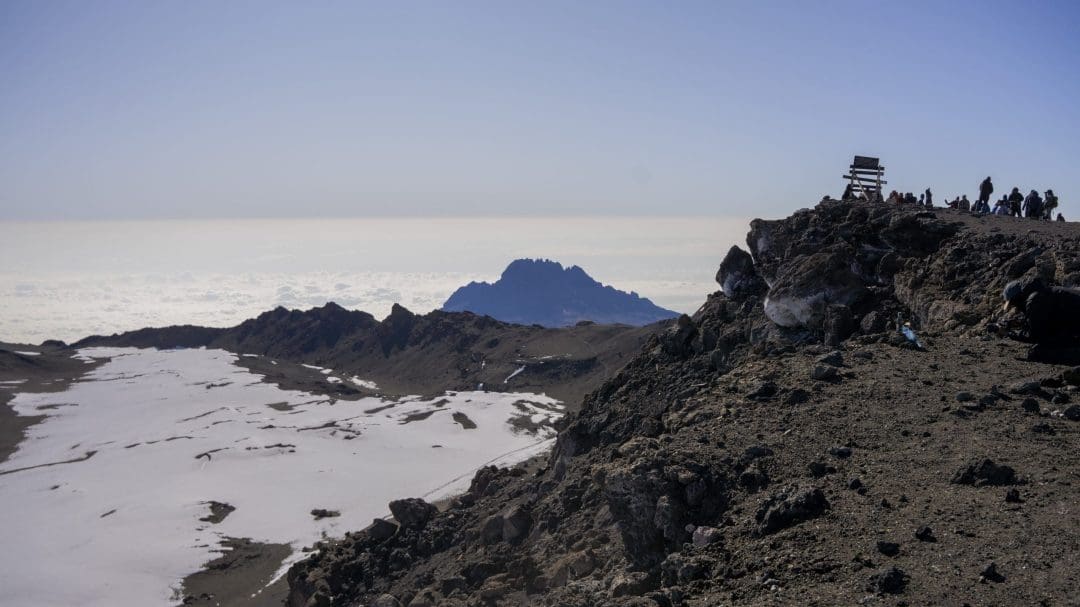
The difference is akin to the relief trekkers feel as they descend from higher camps on long ascents, such as the Kilimanjaro summit, where altitude strongly affects energy levels.
Does The Machu Picchu Elevation Cause Altitude Sickness?
For the larger population, the elevation of Machu Picchu has little to no impact on the incidence of altitude sickness. Nevertheless, even with the mild symptoms, it is possible to experience them, in particular, when you come directly off the sea level.
Possible mild effects include:
- Shortness of breath during stairs or uphill paths
- Light headache
- Fatigue
Cases of severe mountain sickness are rare at Machu Picchu. Rehydrating, taking a slow walk, and having a break should usually prevent discomfort.
This is very different from attempting to climb Mount Kilimanjaro, where elevation exceeds 5,800 metres, and acclimatisation is crucial.
How Does Elevation Change On The Machu Picchu Hike?
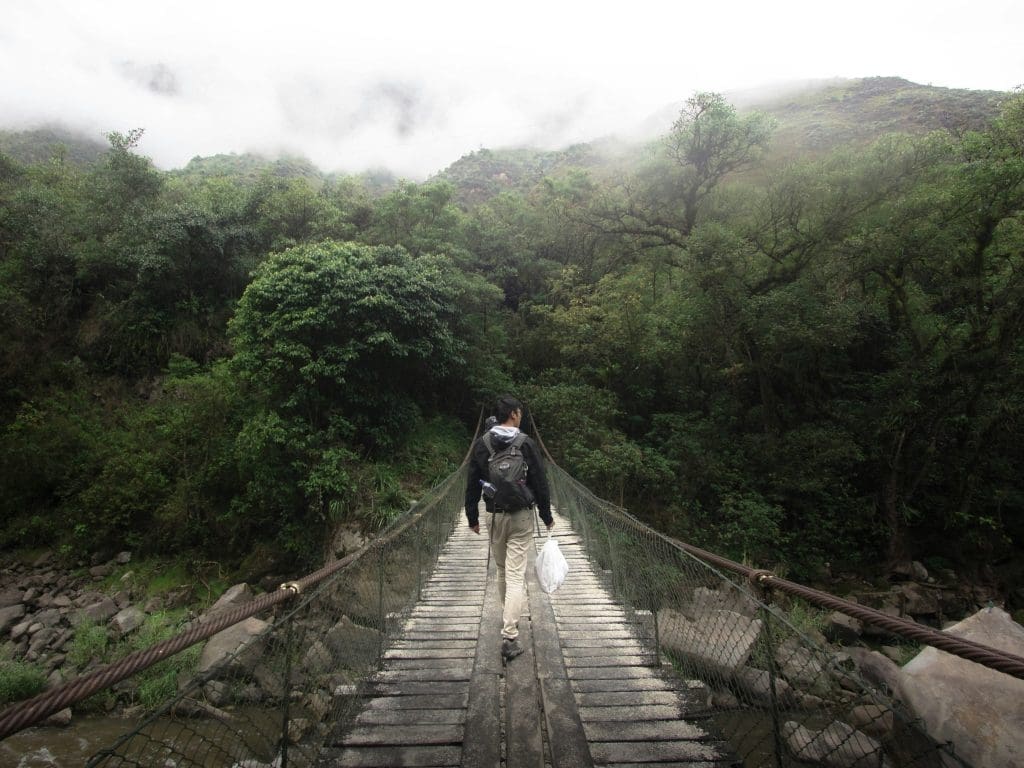
Many visitors experience Machu Picchu as part of a hike. Elevation changes vary by route.
Popular options include:
- Inca Trail: gradual Machu Picchu altitude gains with a maximum pass at 4,215 metres
- Salkantay Trek: higher passes and more strenuous elevation shifts
- Short Machu Picchu hike: minimal elevation change, suitable for most fitness levels
If you’re planning a hike to Machu Picchu, the trek itself often presents greater altitude challenges than the ruins.
How Machu Picchu Elevation Affects Hiking Difficulty
The elevation at Machu Picchu does not render the location challenging to most travellers. The challenge comes more from stone steps and uneven terrain than from altitude.
The Machu Picchu trail system features several sections that many visitors explore, including stone staircases, uneven paths, and narrow walkways built by the Incas. These were not intended to be hiking trails, but instead walking paths.
Visitors should expect:
- Frequent stairs (up to 2,000 stone steps)
- Steep drop-offs (with safety barriers)
- Narrow walkways
Other trails are steeper and more physically demanding, such as Machu Picchu Mountain and Huayna Picchu. These routes feature sustained climbs and narrow staircases, despite the moderate elevation gain.
Walking slowly and taking breaks is usually enough. Special acclimatisation plans are uncommon on very high-altitude treks.
How Does Machu Picchu Weather Change With Elevation?
The elevation strongly influences the weather at Machu Picchu. Temperatures are pleasant year-round, with cooler mornings and evenings.
Typical weather conditions include:
- Daytime temperatures: 18 – 22°C (64 – 72°F)
- Nighttime temperatures: 8 – 12°C (46 – 54°F)
Because of its elevation, the site also avoids extreme heat while still supporting lush cloud forest vegetation. This is one reason it is a good place to stay on long hiking days.
Machu Picchu Weather Throughout the Year
The elevation of Machu Picchu remains constant year-round, although the seasons vary in weather conditions. Choosing the right time will help you spend more time on the site, with fewer people, in a more comfortable manner.
Dry Season (May to September)
This is the peak season for visiting. Some of the advantages include:
- Clear skies and better visibility
- Cooler mornings and evenings (due to the elevation)
- Light rainfall, which makes the roads safer
Due to the moderate altitude, most visitors are comfortable walking for several hours during the season.
Regarding Machu Picchu’s climate, typical daytime temperatures at this elevation range from about 18–22°C (64–72°F), with cooler mornings around 8–12°C (46–54°F). Heavy rains from November to March can make steps and exposed trail sections more challenging to traverse.
Wet Season (November to March)
Rain is more common, but the site remains open. Typical conditions during this period include:
- Daytime temperatures between 18 °C and 24 °C (64 °F – 75 °F)
- Night temperatures dropping to around 8 °C – 12 °C (46 °F – 54 °F)
- Increased rainfall, with January and February receiving the highest monthly totals
- Lush, green vegetation surrounds the ruins due to regular moisture
- Stone paths and staircases become slippery after rain, especially on steeper sections
Trail closures, especially on hiking routes, are common in February. However, the elevation of Machu Picchu still makes sightseeing manageable when the weather is dry.
What Is The Elevation Of Huayna Picchu And Machu Picchu Mountain
Visitors sometimes mistake the ruins’ elevation for that of nearby peaks.
- Huayna Picchu: ~2,720 metres (8,924 feet)
- Machu Picchu Mountain: ~3,082 metres (10,111 feet)
Climbing these adds to the elevation gain and the physical effort. Huayna Picchu is steeper and more exposed, while Machu Picchu Mountain offers a longer but steadier climb. These hikes are optional and require advance permits.
How Long Does It Take To Climb Machu Picchu?
The expedition to climb Machu Picchu is not similar to high-altitude summit expeditions. The time taken depends on the route you take and is not solely determined by elevation.
Visitors spend most of their time in the central citadel, 2-4 hours, moving slowly along stone paths and terraces. Optional hikes take longer:
- Machu Picchu Mountain: approximately 3-4 round-trip.
- Huayna Picchu: Approximately 2-3 hours round trip.
- Sun Gate (Inti Punku): approximately 1-2 hours.
Can A Beginner Hike Machu Picchu?
Yes, Machu Picchu can be considered for beginner fitness enthusiasts. Its height is regarded as moderate, and most walking paths do not require technical climbing or trekking experience.
Machu Picchu Elevation vs Other Famous High Places
Many travellers compare Machu Picchu with other well-known high-altitude destinations.
- Machu Picchu: 2,430 m (7,972 ft)
- Cusco, Peru: 3,399 m (11,152 ft)
- Denver, USA (“Mile High City” ): 1,609 m (5,280 ft)
- La Paz, Bolivia: 3,650 m (11,975 ft)
- Everest Base Camp: 5,364 m (17,598 ft)
- Mount Kilimanjaro summit: 5,895 m (19,341 ft)
This comparison makes it clear why Machu Picchu is considered so accessible. While visitors may notice the thinner air, the altitude does not impose the same physical strain on the body as at destinations above 5,000 meters, such as Everest Base Camp or when climbing Mount Kilimanjaro.
Mount Kilimanjaro is a high-altitude summit that rewards climbers with the fulfilment of standing on the roof of Africa, requiring days of acclimatisation and careful pacing. Machu Picchu’s elevation allows most people to explore comfortably with simple precautions, such as staying hydrated, walking slowly, and taking short breaks.