

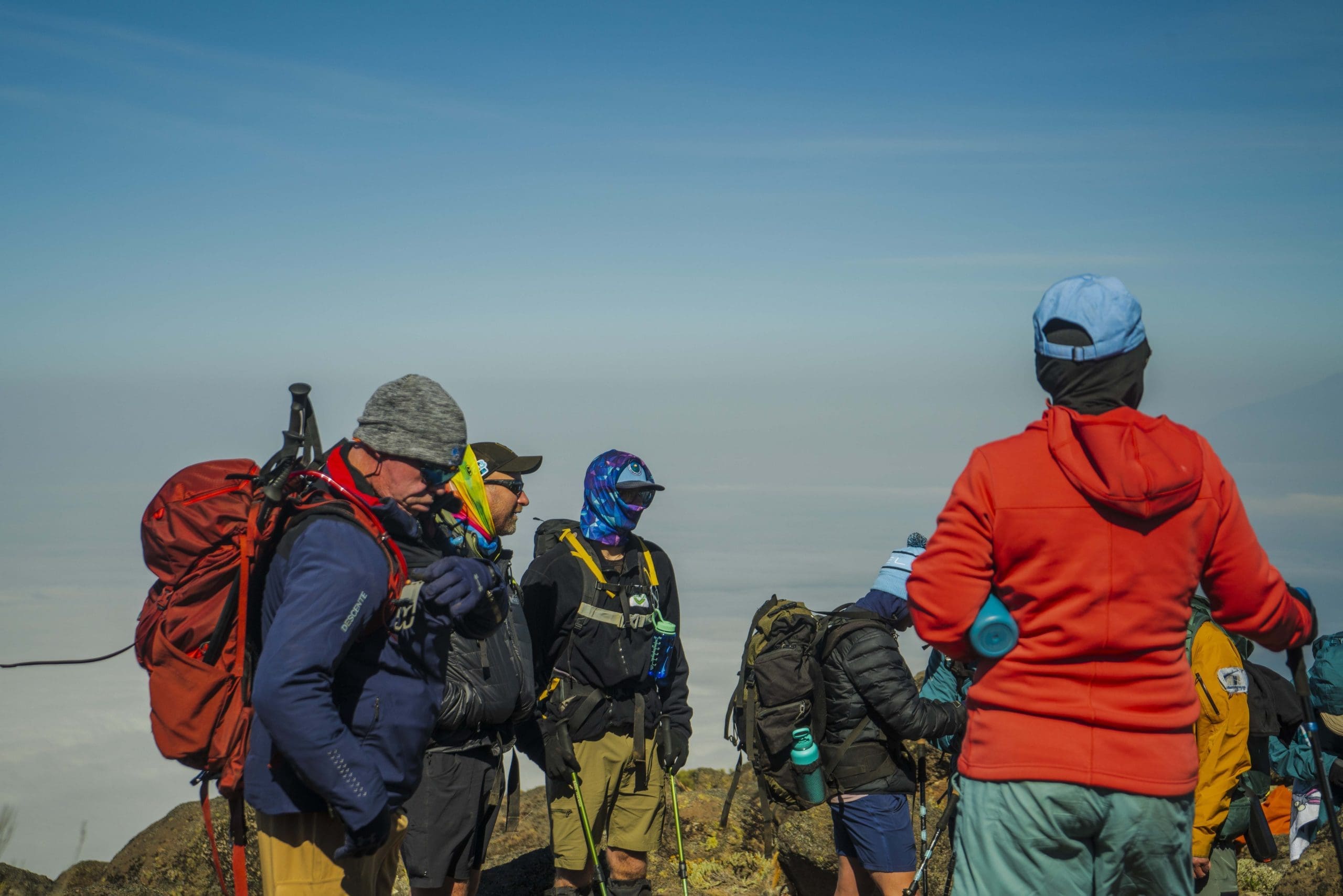
Climbing the Lemosho Route on Kilimanjaro used to be quiet but is slowly becoming a highly recommended path for climbers. There are many things that set the Lemosho route apart, one of them being its excellent acclimatisation profile.
If you are a first-time trekker, this route offers a safe climb. And if you are an experienced climber seeking adventure, climbing Mount Kilimanjaro via the Lemosho route offers a balanced mix of comfort, safety, and scenic beauty.
Why Choose The Kilimanjaro Lemosho Route?
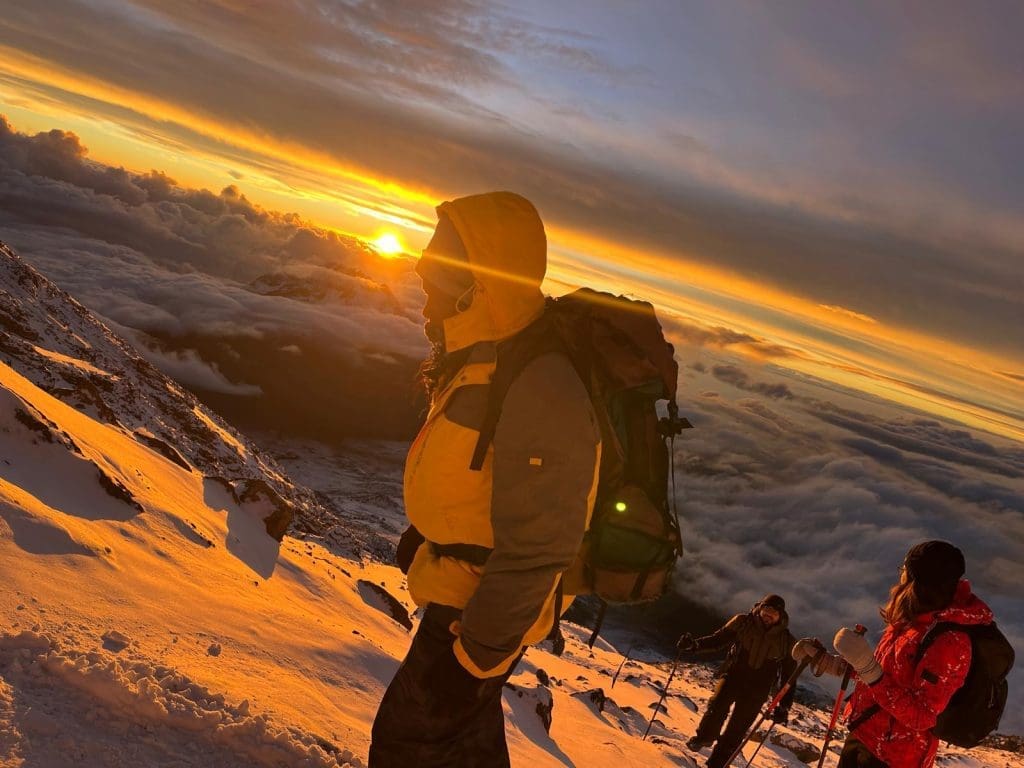
The Lemosho route is a traveller’s favourite because it is less crowded during the first few days compared to the other popular routes. This route records a high summit success rate every year. Due to its high success rate, it is a reliable option for beginner climbers.
Our climbers can choose to climb for 7 or 8 days on the mountain. Longer itineraries are especially beneficial, as they allow for better altitude acclimatisation. This helps to reduce altitude sickness, fatigue, and overall stress on the body.
Throughout the journey, climbers traverse the enormous Shira Plateau, the Barranco Wall, Lava Tower, and the resting camps, including Barranco and Barafu on the ascent, and Mweka Camp for the descent.
Lemosho Route Difficulty: Is It Hard?
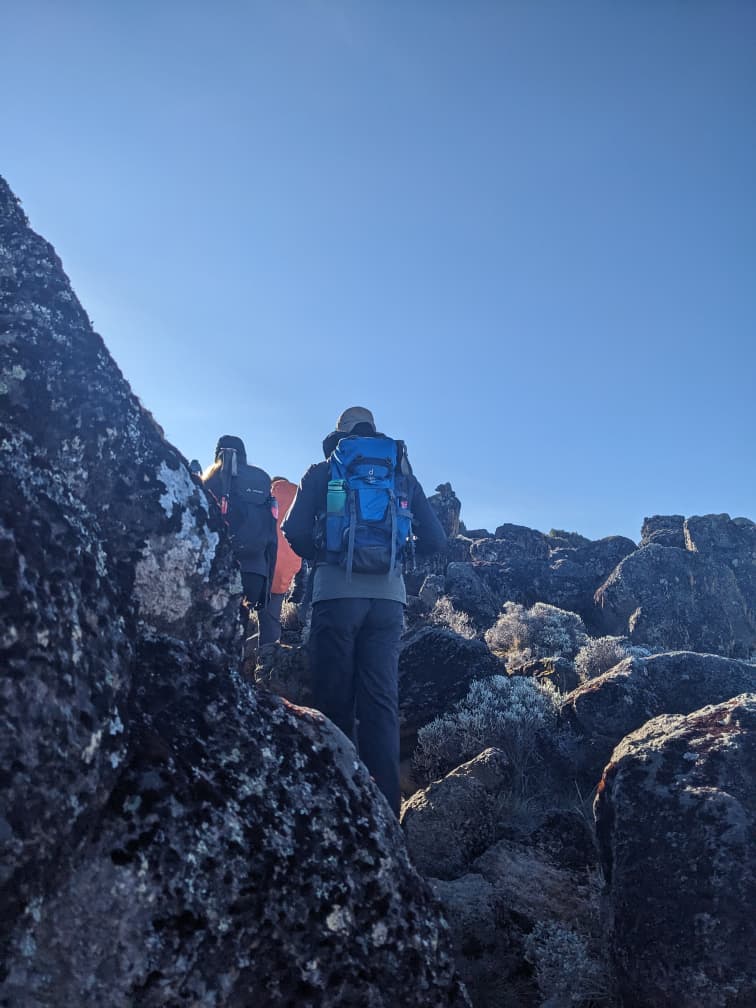
Technically speaking, hiking the Lemosho Route isn’t difficult. There are no areas that require climbing tools or technical expertise. The toughest challenge you’ll face on the Lemosho route is dealing with reduced oxygen as you climb higher on the mountain.
The temperature fluctuations you experience on Lemosho occur because you go through multiple climate zones on Kilimanjaro, each with its own weather pattern. The sudden difference in environment as you ascend from the warm, humid jungle to the frigid alpine desert and snowy peak is what provides Kilimanjaro its surprising character.
As it turns out, the Lemosho Route follows the climb high, sleep low principle. This approach allows climbers to hike to higher elevations during the day and sleep at lower altitudes at night. At lower altitudes, your body produces more oxygen, preparing you for the next trek day.
Since the trail up Kilimanjaro itself doesn’t require technical climbing skills and the main challenge is altitude, it’s natural to wonder whether newcomers can handle it.
Can A Beginner Really Hike Kilimanjaro?
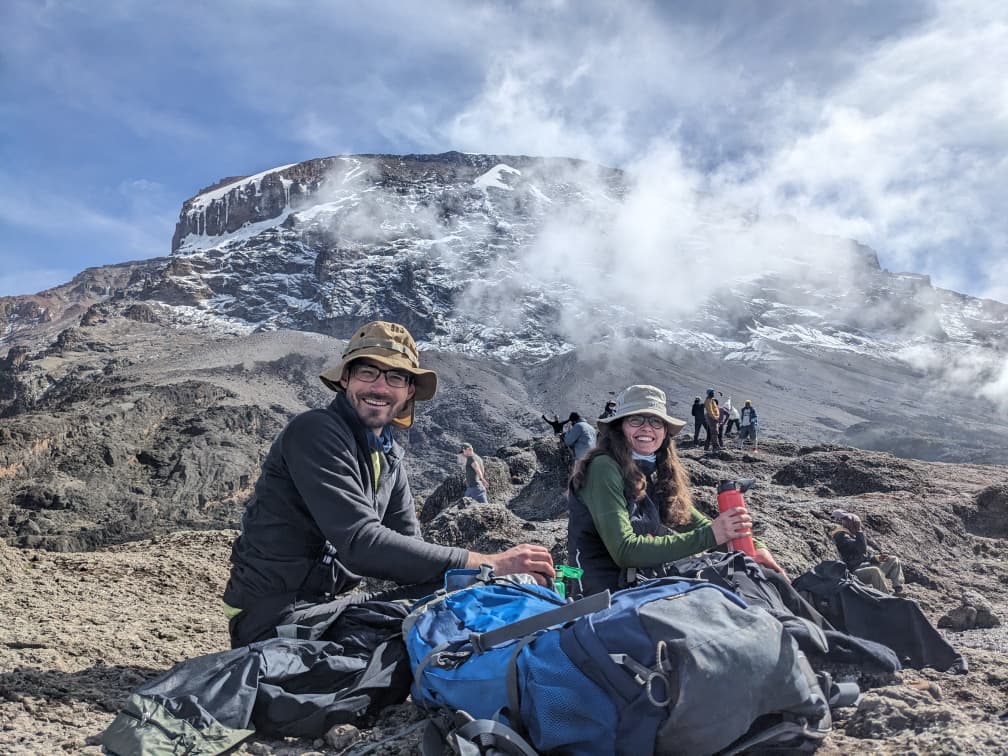
Beginners can successfully climb Mount Kilimanjaro, especially on the Lemosho Route. The terrain is similarly non-technical. First-time climbers can frequently summit Uhuru Peak on this route with a positive mindset and sufficient planning.
How Many Days Do You Need For The Lemosho Route?
Climbing the Lemosho route can take 6 to 8 days. However, most climbers, particularly first-timers, chose an eight-day itinerary for better acclimatisation and greater summit success.
We recommend allowing at least 7 days on the mountain to help your body adjust to altitude and increase your chances of reaching Uhuru Peak. The longer itineraries break up the ascent over more days, with enforced acclimatisation nights along the route helping to reduce the risk of altitude sickness and make the climb more enjoyable.
Choosing The Right Lemosho Route Duration
Climbers can reach Uhuru Peak through the Lemosho Route on a six-, seven-, or eight-day journey. If you are a beginner, you can choose the Lemosho Route 8 days / 7 nights or the 7 days / 6 nights option. Although a 6-day Lemosho option exists, it is rarely recommended because it allows less time for proper acclimatisation.
6-Day Lemosho Route Itinerary
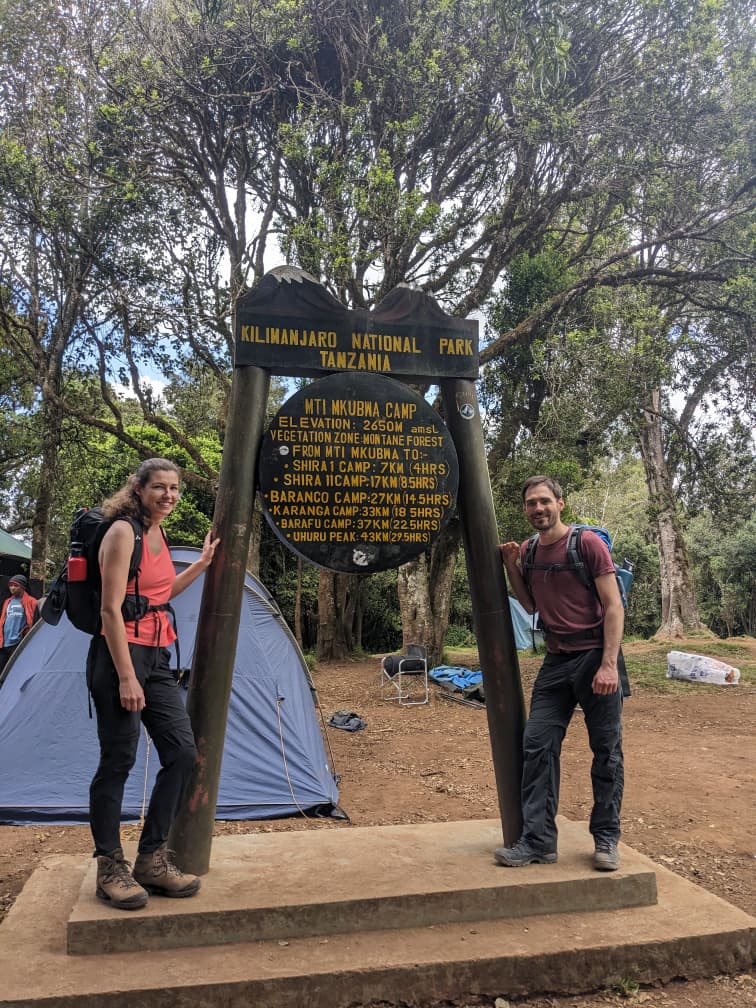
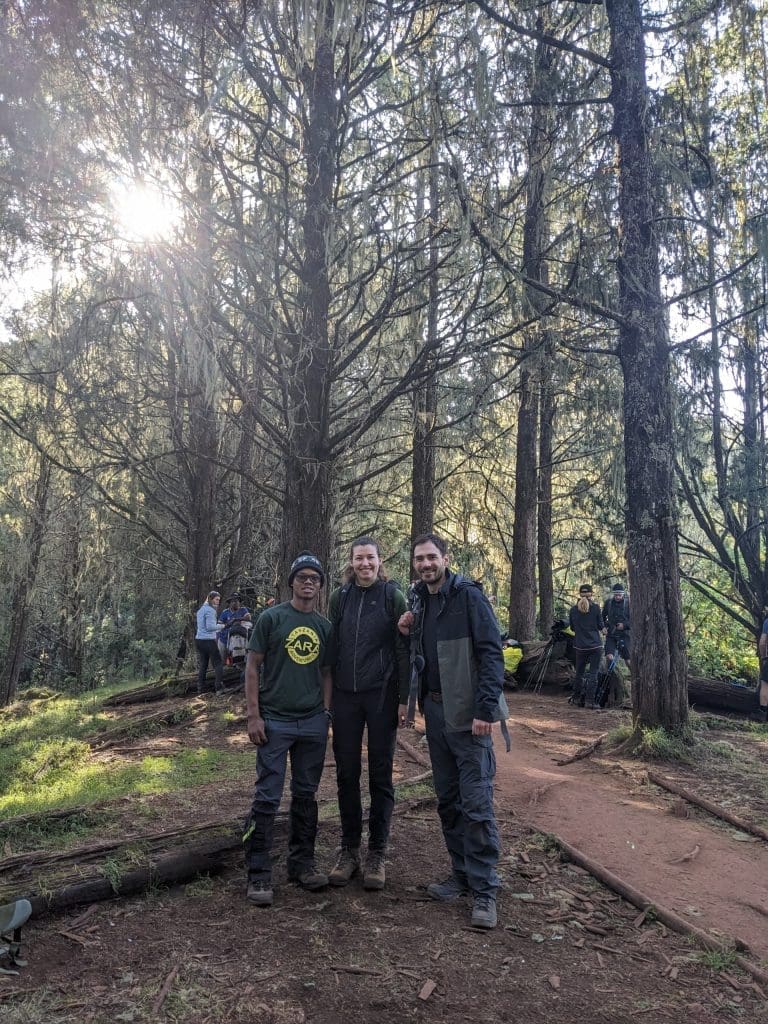
The 6-day option follows the same general trail but at a faster pace. On the first day, you enter Kilimanjaro National Park through the rainforest at the Western Lemosho Gate and begin your ascent to Mti Mkubwa Camp. On the second day, you will proceed to Shira 2 camp, where you will stop at Shira 1 for lunch on the way. On the third day, you will start ascending to the lava tower, then descend to Baranco Camp.
On the fourth day, you trek from Barranco Camp to Barafu Camp. On the fifth day, you make the summit attempt and descend to Millennium Camp. Finally, on the sixth day, you complete your descent through Mweka Camp and exit the park.
7-Day Lemosho Route Itinerary
Our 7-day / 6-night itinerary offers a more balanced ascent with better acclimatisation. On the second and third days, you cross the Shira Plateau for a longer duration than in the 6-day itinerary to ensure you acclimatise well.
The fourth day is when you climb to the Lava Tower and descend to Barranco Camp. On the fifth day, the route continues over the Barranco Wall to Karanga Camp. On the sixth day, you ascend to Barafu Camp for the summit attempt. On the seventh day, you summit early in the morning and descend through Mweka Camp to exit.
8-Day Lemosho Route Itinerary
Zara Tanzania Adventures offers both the 8-day and 7-day Lemosho itineraries, allowing climbers to choose the one that best fits their pace and comfort. The 8-day itinerary is the most complete and beginner-friendly version of the Lemosho Route. It offers a slower ascent through the Shira Plateau. Then there is an additional acclimatisation day as you move closer to Moir Hut and Lava Tower.
Shorter hiking days around Barranco and Karanga Camps help climbers recover before reaching Barafu Camp for summit night. This 8-day Kilimanjaro Lemosho Route Itinerary offers the highest summit success rate and the most comfortable pacing on the mountain.
See the 7- and 8-day Lemosho itineraries side by side:
Feature | 7-Day Lemosho Route | 8-Day Lemosho Route |
Total Days | 7 days / 6 nights | 8 days / 7 nights |
Daily Trek | Faster, longer hiking days | More gradual and relaxed |
Acclimatization | Limited time at altitude | Extra night for adaptation |
Summit Success | 85% | 90% |
Experience | Immersive and challenging | Comfortable and immersive |
Best For | Experienced Hikers | Beginner Climbers |
What Is The 9-Day Lemosho Route?
The 9-day Lemosho Route Kilimanjaro is a gradual Kilimanjaro trek. It includes an additional night in the Crater. Of course, longer days require more time and cost, but you can be sure of a wholesome experience on the mountain.
Similar to the 8-day itinerary, on the 9-day itinerary, after the barafu camp, instead of going to the summit and coming back to the lower camps. Climbers will spend an additional night in the crater, then descend the next day to the High camp (Millennium Camp) or Mweka camp. This option is more favourable for experienced climbers, as the oxygen level in the crater is very low and it is very cold there.
What Is The Success Rate Of The Lemosho Route?
The success rate on the Lemosho Route Kilimanjaro is around 85–95%, depending on the number of days and the quality of acclimatisation. The average success rate is 85% for a 7-day trek and 90% for an 8-day trek.
Generally, the failure rate of a Kilimanjaro climb across all routes ranges from 20–35%. Most unsuccessful attempts are usually altitude-related or caused by poor acclimatisation, which we do not promote.
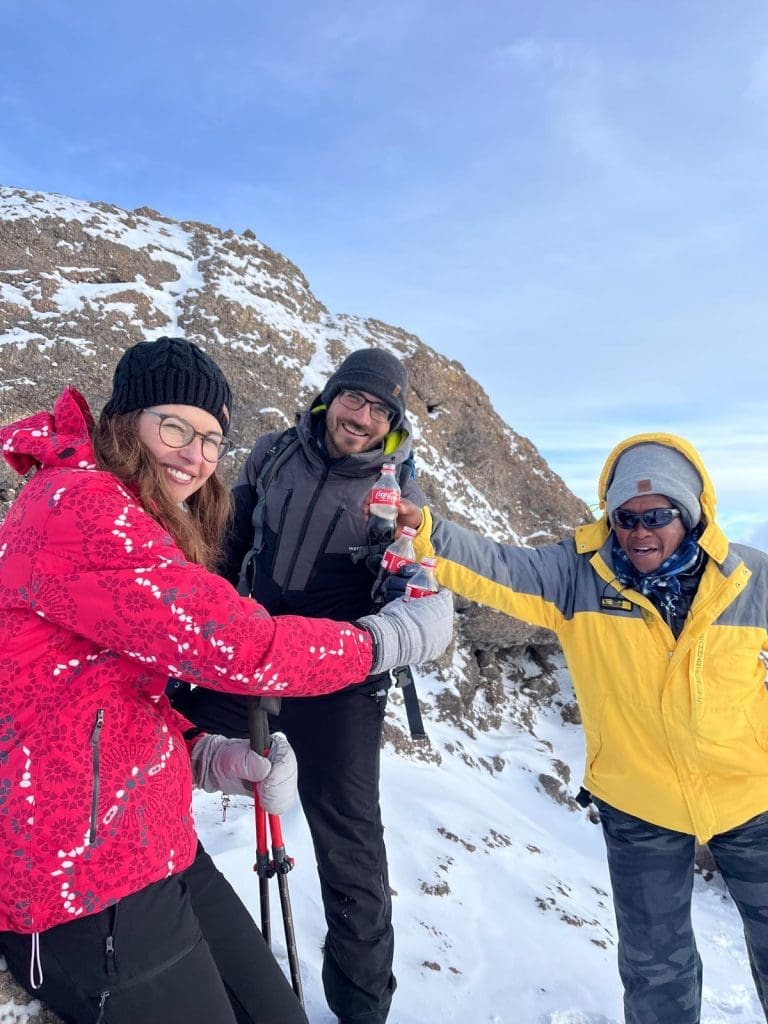
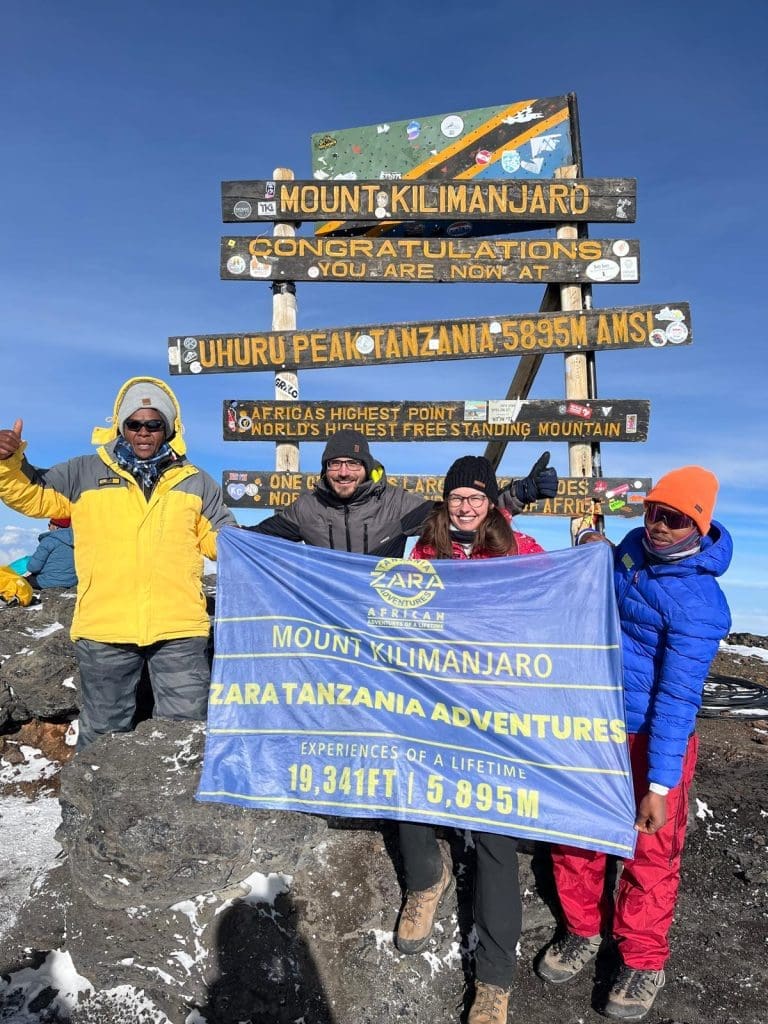
Scenery on the Lemosho Route
One of the most unique aspects of the Lemosho Route is the remote west-to-south circuit. This route offers climbers a journey through the less-crowded rainforest, with opportunities for rich wildlife sightings. A little further up the route, you walk by the open views on the Shira Plateau.
After crossing the Shira Plateau, the Lemosho Route merges with the Machame Route. Just before that, you catch the volcanic rock formations near Lava Tower. The progression is scenic, offering climbers a beautiful panoramic view throughout the trek.
How Many Miles Is The Lemosho Route? Distance & Elevation
As one of the longer Kilimanjaro routes, the full trek via Lemosho covers 70 km (42 miles) from the western entry point to the final exit at Mweka Gate. Here’s a summary of the elevation profile:
- Starts at 2,100m (6,890 ft) at Lemosho Gate,
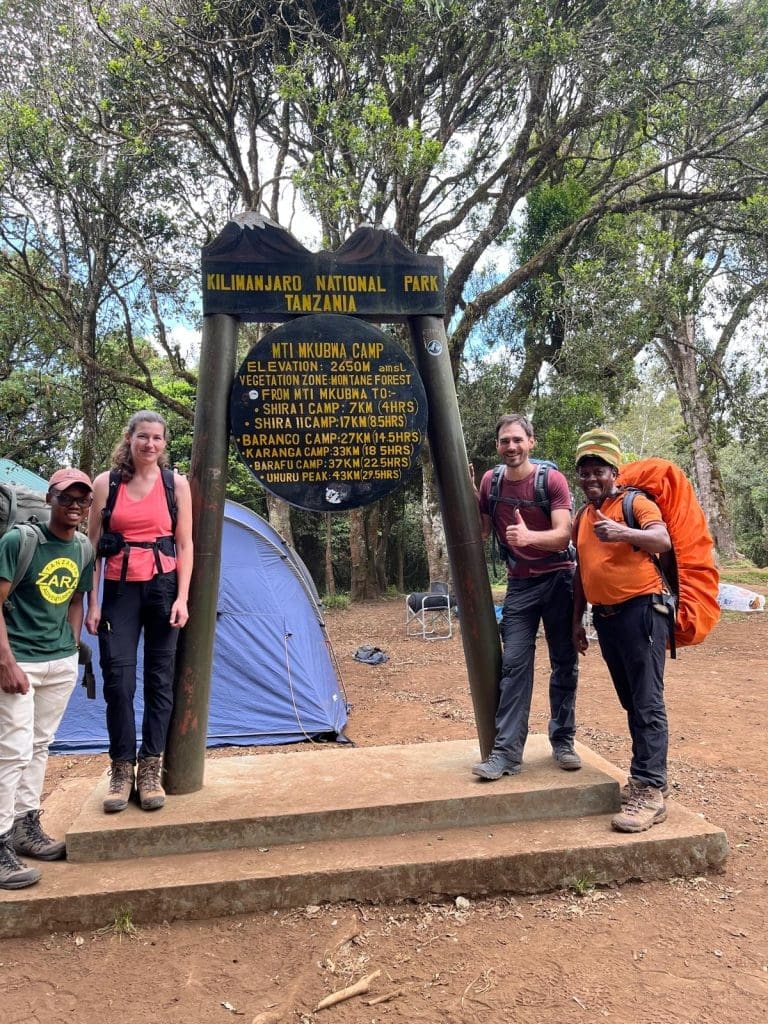
- Ascent to the first camp in the Lemosho route, the Mti Mkubwa Camp, 2,650m (8,694 ft)
- Ascent to Shira 1 Camp at an elevation of 3,610 m (11,515 ft)
- Ascent to Shira 2 Camp at an elevation of 3,840 m (12,795 ft),
- Ascent to the Lava Tower at 4,629m (15,190 ft), and Descent down to Barranco Camp at 3,960m (13,000 ft),
- Ascent to Karanga Camp 4,035m (13,106 ft),
- Ascent to Barafu Camp at 4,640 m (15,331 ft),
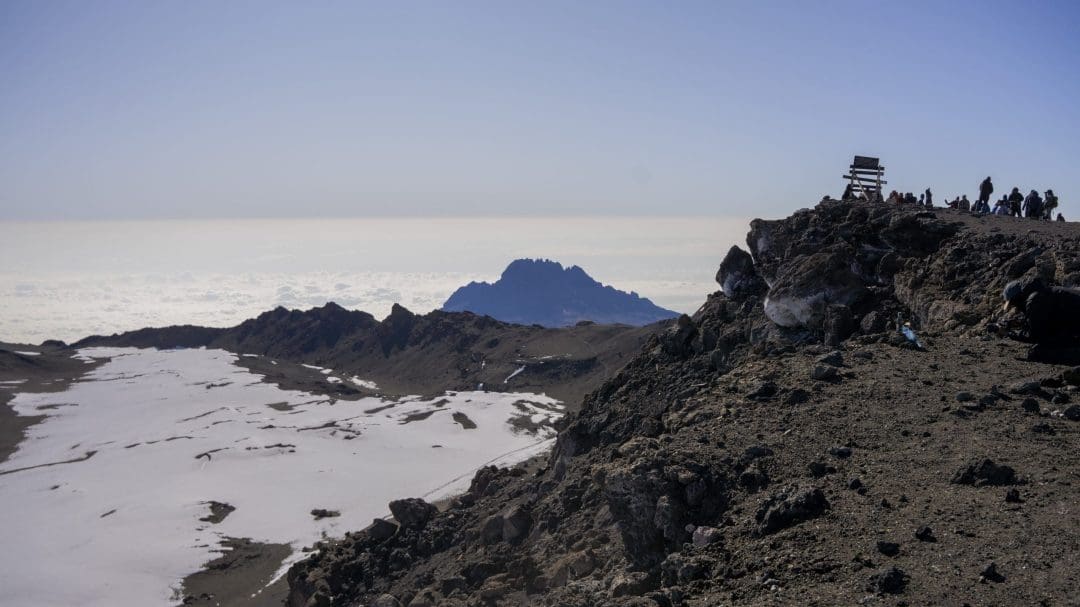
- Ascent to Uhuru Peak 5,895m (19,341 ft),
- Final Descent to Mweka Camp, 3,090 m (10,065 ft),
How Much Does It Cost To Climb The Lemosho Route For 8 Days?
The 8-day Lemosho Route typically costs between $2,500 and $4,500 per person. The cost depends on your accommodation standards, the number of travellers, and the level of service offered by the operator.
If you are going in a group, you will receive discounted rates. Otherwise, you pay premium prices as a solo traveller. Book your 8-day Kilimanjaro Lemosho Route here.
What Does The Climbing Cost Include?
This price includes several essential components that make your trek comfortable.
- National Park Fees
- A crew of licensed guides, a cook, and porters who carry supplies throughout the trek.
- The camping equipment includes tents, foam, cooking equipment, and eating utensils.
- Meals and Water
- Two nights’ accommodation (before and after the climb)
- Pulse oximeters
- First aid kit
- Airport transfers
- Transfers between your hotel and Londorossi Gate at the start and from Mweka Gate back to your hotel at the end.
The climbing cost does not include:
- Flight Tickets & Visa Fees
- Travel Insurance
- Single room supplement at Springlands Hotel
- Additional nights beyond the two standard hotel nights are included
- Crew Tips
- Mountain equipment (sleeping bags)
- Gear for your climb. Some equipment is available for rent. See your complete Kilimanjaro packing list here.
- Car Supplement
- Personal Items
- Emergency Oxygen
- Additional activities include visiting a cultural village and taking a waterfall tour.
Lemosho Route vs Other Kilimanjaro Routes
There are differences among the Kilimanjaro routes in terms of scenery, effort, crowds, and altitude acclimation. The Northern Circuit, Marangu, and Rongai are some of the most popular Kilimanjaro routes for first-timers.
Lemosho vs Northern Circuit
Both routes begin on the western side of the mountain. However, the Northern Circuit takes 9 days compared to Lemosho’s 7 to 8 days. The Northern Circuit also has a 95% success rate. Just like the Lemosho route, the Northern Circuit is less crowded than the Machame and Marangu routes.
Lemosho vs Rongai
The Rongai Route approaches from the north, unlike Lemosho’s western start. The standard 6 Days | 5 Nights Kilimanjaro Rongai Route is shorter than Lemosho’s 7-9 days trek. Climbing through the Rongai route is quiet, but it has a lower success rate of 70–80%. It is not recommended for beginners.
Lemosho vs Machame
The Machame route is Kilimanjaro’s most popular path. It takes 6-7 days, 1-2 days shorter than the Lemosho route. The Lemosho route joins the Machame route near Lava Tower, offering similar scenery and a similar success rate. The difference is in the gradual start that Lemosho offers.
Which Is The Hardest Kilimanjaro Route?
The Umbwe Route is the hardest route on Kilimanjaro due to its steep, direct ascent. Climbers who take this route ascend rapidly within 5-6 days. There is little room for acclimatisation, resulting in a lower success rate of around 60-70%.
Which Kilimanjaro Route Is The Easiest?
The Marangu Route is often called the easiest because it’s the only one with hut accommodations rather than camping. Furthermore, it has a gentler, more gradual slope. Although it is an easy route, climbers acclimatise poorly in the short 6-day trek. Hence, it records lower success rates of around 65-70%.
Ready to Trek the Lemosho Route Kilimanjaro?
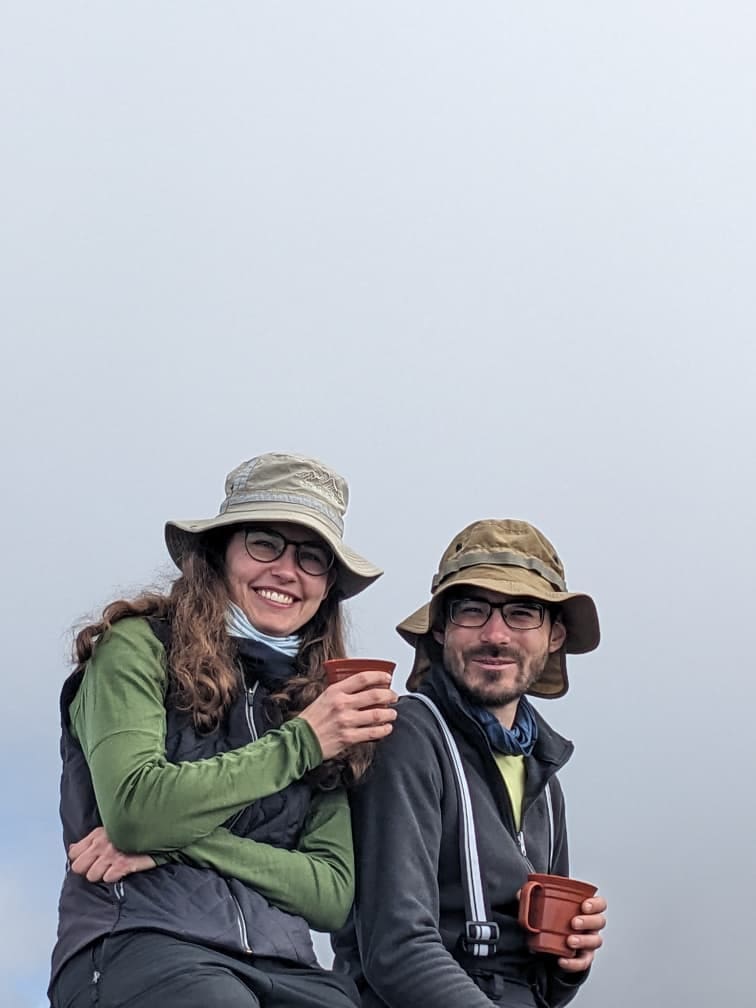
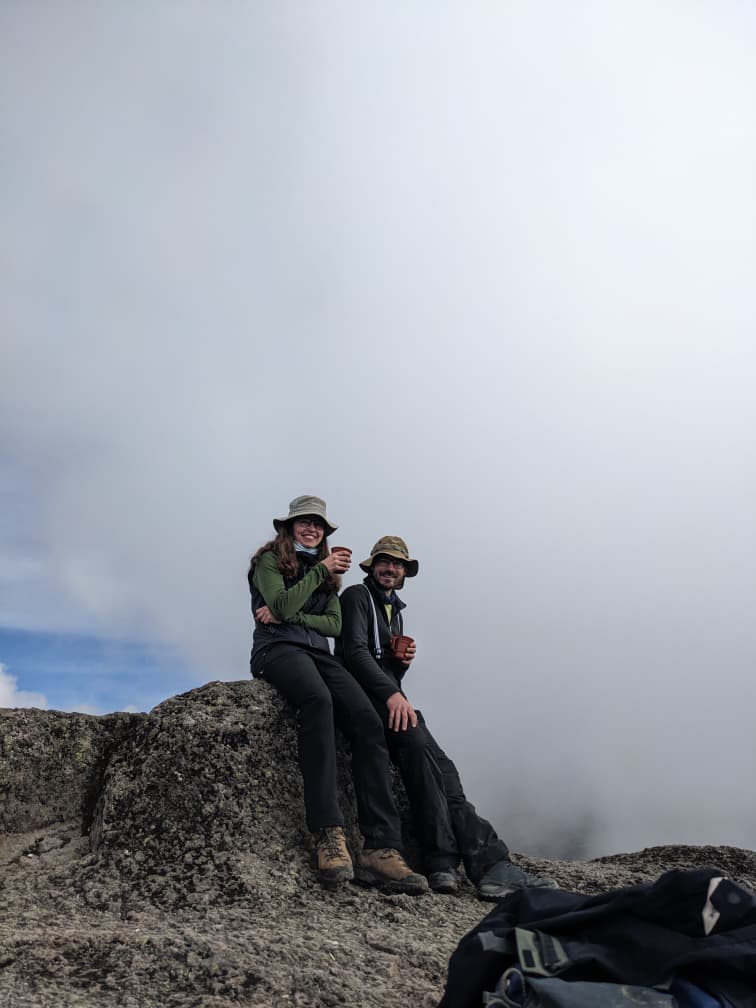
The Lemosho Route on Kilimanjaro is one of the most well-rounded ways to climb it, offering a strong chance of success.
If you’re just starting out on your high-altitude hiking journey or are an experienced hiker looking for your next adventure, the Lemosho route offers a carefully balanced blend of difficulty, scenery, and gradual acclimatisation.
We’ve spent years leading groups of travellers on Kilimanjaro with more than enough knowledge and insight into pacing, proper acclimatisation, and guiding climbers through each stage of the journey. With this experience behind you, you can focus on enjoying the journey rather than worrying about the details.
Ready to climb the tallest mountain in Africa via a successful route? Start your adventure by asking more about our Lemosho 7-day and 8-day group trekking packages.
Other Frequently Asked Questions (FAQs)
1. What Is The Most Beautiful Route To Climb Kilimanjaro?
The Lemosho Route is the most beautiful way to climb Kilimanjaro. You start your journey in vibrant green forests, where you can spot monkeys and a diverse range of birdlife. Lemosho later joins the Machame route, passing iconic landmarks such as the Great Barranco Wall.
2. Which Kilimanjaro Route Has The Highest Success Rate?
The Northern Circuit and Lemosho both have success rates of 85% to 95%. This high rate is due to longer treks that allow for proper acclimatisation
3. What Is The Difference Between The Marangu Route And The Machame Route?
The Marangu route is shorter, at 5 to 6 days, compared to the Machame route’s 6 to 7 trek days. While the Marangu path has a gentler slope but poorer acclimatisation, the Machame Route has a varied ascent-descent profile for better acclimatisation.