

Climbing Mount Everest, the tallest peak in the world, is a feat for many adventure seekers. A common question among these explorers is: How long does it take to climb Mount Everest? The journey to the summit is a time-consuming and challenging adventure that tests climbers’ strength and spirit. Each stage of the climb features rough terrain and tricky weather, making the journey difficult to navigate, but the victory is well worth it.
As climbers face these challenges, they work hard to reach their goal of standing at the top of the world. Each moment on this impressive mountain becomes an unforgettable memory that remains forever.
How long does it take to walk to Everest Base Camp?
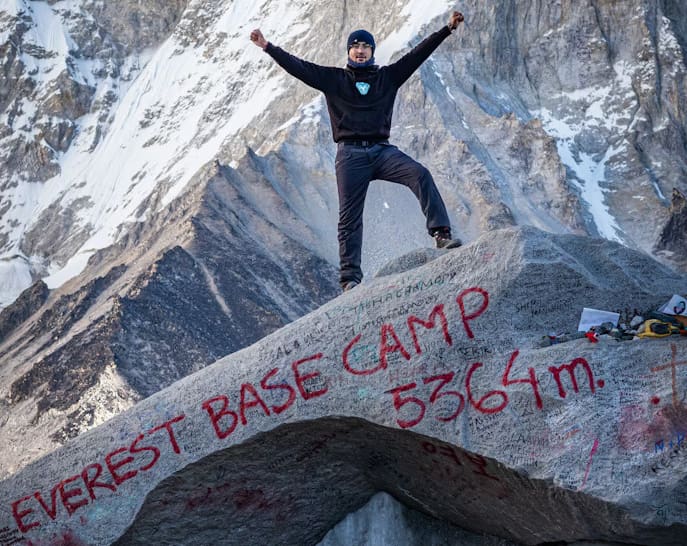
Trekking to Everest Base Camp starts with a flight from Kathmandu to Lukla. After landing, the first leg of the trek takes you to Phakding, followed by a hike to the vibrant Sherpa town of Namche Bazaar. The entire climb to the summit, including acclimatisation and recovery, generally takes 2 to 3 months. This includes multiple rotations to higher camps and rest periods at Base Camp, which provides for acclimatisation rotations and the summit push.
The trek begins with a 30- to 40-minute flight from Kathmandu to Lukla. From Lukla, you start the hike to Phakding, a 2- to 3-hour walk that helps you acclimate to the trails. The next day, you trek to Namche Bazaar, a lively Sherpa town at 3,440 meters above sea level. This part of the trek takes around 6 to 7 hours and has some steep sections. It’s a good idea to spend an extra day in Namche to help your body adjust to the altitude. You can explore places like the Everest View Hotel or the Sherpa Museum during this time.
After Namche, the trek continues to Tengboche, a village known for its famous monastery, which takes approximately 5 to 6 hours. Next, you hike to Dingboche, which also takes 5 to 6 hours. It’s helpful to have another day here for acclimatisation and to go on short hikes. From Dingboche, you proceed to Lobuche, a journey that takes approximately 5 to 6 hours. As you proceed, the path gets rockier, with memorials for those who lost their lives on Everest.
Reaching Everest Base Camp typically takes 6 to 8 hours from Lobuche, depending on weather and physical condition. From there, the journey for summit climbers truly begins. Continues for those aiming for the summit. The climbing phase involves acclimatisation rotations that can last 4 to 6 weeks. During this time, climbers typically ascend to higher camps, such as Camp I and Camp II, before coming back to base camp to recover. This process enables the body to gradually acclimate to the harsh altitude, thereby increasing the chances of a successful summit push. If you want to scale Mount Everest, this trek is invaluable for acclimatisation, as it provides the necessary preparation for high-altitude climbing.
On the way back, many trekkers stop at Gorak Shep. Here, you can climb Kala Patthar for a beautiful sunrise view over Everest if you’re wondering how long it takes to walk to Everest Base Camp. The trek typically takes about 12 to 14 days, allowing for proper acclimatisation and exploration of the stunning surroundings. After enjoying the views, you return to Pheriche, Namche Bazaar, and finally Lukla, where you fly back to Kathmandu. Preparation is essential for this trek. You should focus on getting fit, having the right gear, and staying hydrated, as altitude sickness can be a significant problem. Overall, the trek is not just a physical challenge, but a wonderful experience filled with natural beauty and rich culture.
Who is the Fastest Person to Climb Mount Everest?
Mount Everest, standing at 8,848.86 meters (29,031.7 feet), has inspired many climbers over the years. Climbing Everest is not easy; it tests strength and requires careful planning. One climber, Lhakpa Gelu Sherpa, stands out for reaching the top of Mount Everest in the fastest time. On May 22, 2004, Lhakpa Gelu Sherpa set the record by reaching Everest’s summit in just 10 hours and 56 minutes. His achievement reflects not only exceptional endurance but also expert familiarity with Everest’s terrain and risks. Lhakpa Gelu’s record is well respected in the climbing community. His journey demonstrates that hard work and determination can pay off, inspiring other climbers to push their limits.
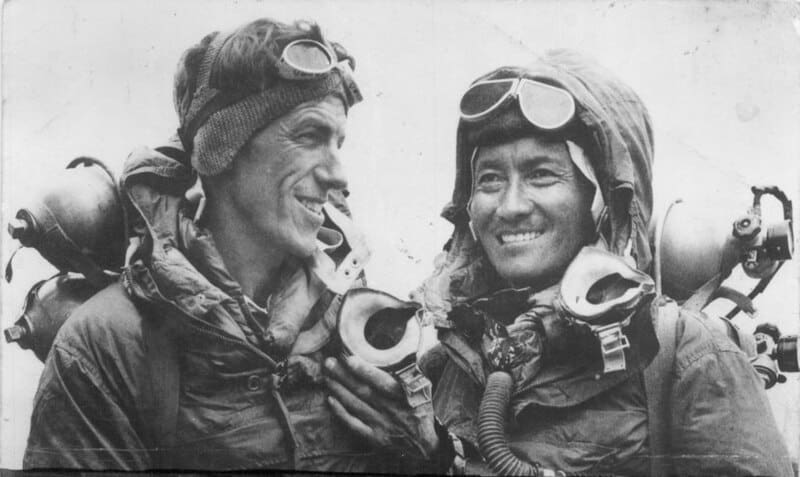
Other famous climbers have also made their mark on Everest. Sir Edmund Hillary and Tenzing Norgay were the first climbers confirmed to reach the summit on May 29, 1953. Their climb was a big moment in climbing history. Reinhold Messner became the first person to climb Everest alone and without supplemental oxygen in 1978, showing incredible skill and strength.
In 2017, Nirmal Purja completed an amazing challenge called Project Possible. He climbed Everest and three other tall mountains, all over 8,000 meters, in just under eight days. This was an incredible achievement that demonstrated the speed at which climbing can be accomplished. Another athlete, Kilian Jornet, set a record in 2019 for climbing Everest without extra oxygen. He reached the Mount Everest summit in just under 26 hours. Jordan Romero made headlines as the youngest person to reach the summit of Everest at the age of 13 in 2010, inspiring young climbers everywhere. Apa Sherpa, also known as the “Super Sherpa,” has climbed Everest 21 times, underscoring the crucial role Sherpas play in mountaineering.
These climbers not only achieved remarkable milestones but also shared their unique challenges and victories from their Everest expeditions. Each story contributes to the mountain’s rich history and inspires future climbers to pursue their dreams.
What is the 2 pm rule on Everest?
The 2 PM rule on Mount Everest is an important guideline that helps keep climbers safe and increases their chances of reaching the summit. This rule applies to summit day and instructs climbers to turn back by 2 PM if they have not reached the summit, ensuring they have sufficient time to descend safely before darkness falls.
Climbing Mount Everest is a challenging adventure filled with risks. There are several dangers, including unpredictable weather, avalanches, and altitude sickness. As the day progresses, the weather can change quickly, making climbing even more challenging. The 2 PM rule helps climbers check their progress during the day. By early afternoon, climbers must assess their progress. Failing to reach the summit by 2 PM increases the risk of descending in darkness, which can be fatal at high altitude.
Climbing down in the dark can be dangerous. It is hard to see the path, and the ground can be challenging to navigate. Spending too much time at high altitudes can cause climbers to become very tired. The thin air makes it difficult to breathe and think clearly. If climbers attempt to reach the summit too late in the day, they may make poor choices due to exhaustion. This rule is essential for safety because everyone has different skills and health levels. Some climbers might need more time to return than they expect. By following the 2 PM rule, climbers can better protect themselves and stay safe.
The 2 PM rule serves as a reminder of the risks involved in climbing high mountains. Success on Mount Everest isn’t just about reaching the top; it’s equally about getting back down safely. Many climbers dream of standing on the world’s highest point, but safety must always take precedence. This rule encourages climbers to think carefully about their health and the journey back down the mountain.
When is the Best time to climb Mount Everest?
The best times to climb Mount Everest are in the spring (April to May) or in the fall (late September to October). During these times, the weather is usually better, with less snow and rain. Spring is warmer, so climbers have a better chance of success with favourable weather conditions.
Spring is often considered the primary climbing season due to its milder temperatures. These conditions make it easier for climbers to reach the summit before the monsoon rains arrive. In spring, the weather typically becomes more stable, leading to less snow and rain, which can make climbing more challenging and less safe. Many climbers specifically target the short weather window in late May when conditions are often at their best. As the season goes on, longer daylight hours provide climbers with more time to complete their ascent.
While spring is the most popular season, autumn (late September to October) also offers favourable conditions. Although less predictable, fall often brings clearer skies and fewer crowds, making it ideal for those seeking a quieter experience. This can be appealing for climbers who prefer a calmer experience. In the fall, temperatures are cooler, so climbers must be prepared for the added challenge of cold weather. While the lower number of climbers can be an advantage, the shorter days may create time constraints during the ascent. Moreover, Fall climbs can change a lot, so it’s essential to have the right gear and a plan that can adjust quickly.
Climbing Time and Weather Conditions on Mount Everest
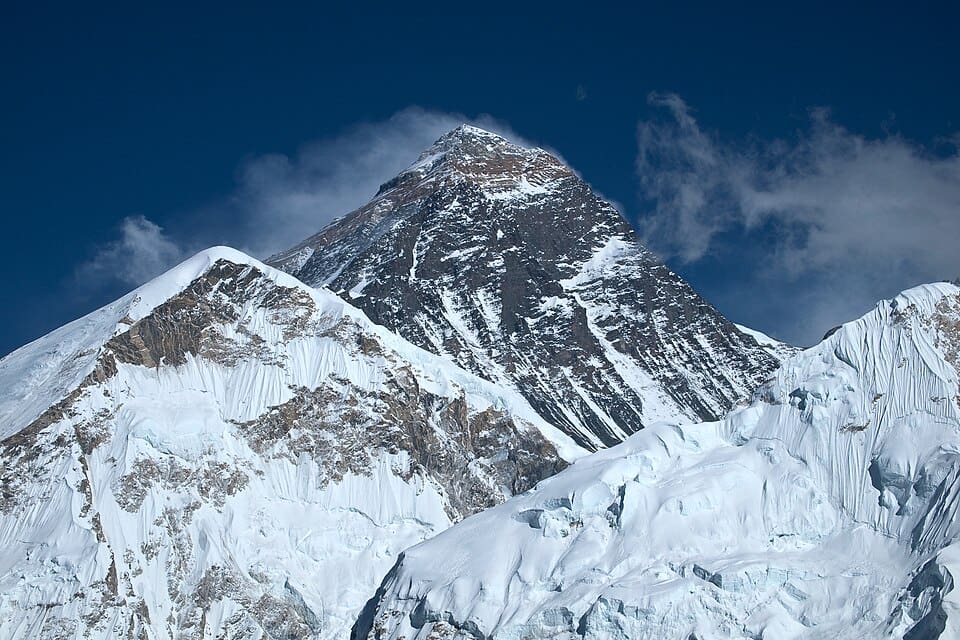
Regardless of the chosen season, climbers need to know how long it takes to climb Mount Everest. They must prepare for the duration of the climb, understanding that it typically takes several weeks to acclimatise to the high altitudes and to navigate the varying terrain. It is also necessary for climbers to stay informed about the ever-changing weather patterns on the mountain, as conditions can shift rapidly and pose significant risks. Proper planning and readiness for potential weather changes are necessary for a safe and successful climb.
Comparing How Long it Takes to Climb Mount Kilimanjaro
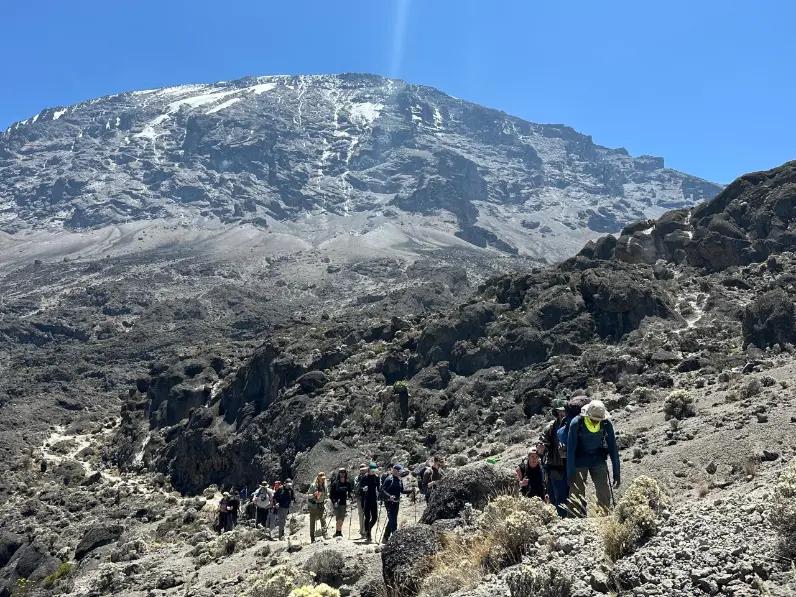
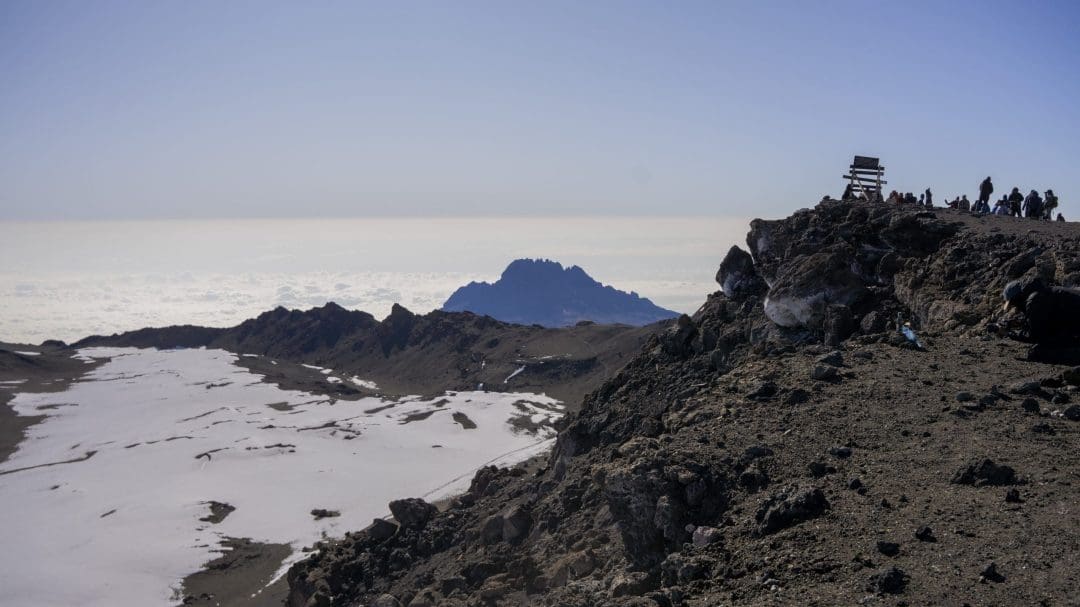
Mount Kilimanjaro is the tallest free-standing mountain in the world, at 5,895 m (19,341 ft), and it offers a relatively straightforward climbing experience. It takes between 5 and 9 days to climb to the summit, Uhuru Peak, depending on the preferred route.
Climbers can opt for a longer or shorter course based on their fitness level and strength. A more extended route can be helpful for acclimatising, thereby increasing the chance of reaching the summit. Like Everest, adjusting the body to high altitude differences is crucial for success, and climbers take as much time as needed for these stages, which influences the total period required to complete the climb.
Kilimanjaro poses no risk of the death zone, which is above 8,000 m in height. Standing at Uhuru Peak gives the fulfilment of reaching the roof of Africa, which can be achieved in days instead of months. Want an African experience instead? Start with our trek packages for climbing Kilimanjaro, designed for adventurers of all levels.