


Climbing Mount Everest is an adventure many dream of. It is much more than a hike; it is a pilgrimage to the heart of Everest and the surrounding lands, passing through the Sherpa villages. While the climb does not require technical gear or skills, the question in the mind of anyone planning an Everest Base Camp Trek is, “How hard is it?”, “Am I fit enough for it?”
Altitude sickness, long trek hours, and trail difficulties are some of the things that many first-timers worry about, and rightly so.
The truth is, this adventure is no walk in the park. It requires both physical and mental strength. You’ll need endurance and fitness to climb to an altitude of more than 17,000 feet (5182 meters) in the cold. The good part is that thousands of trekkers complete it every year, from experienced climbers to those with little to no experience. In this blog, we will explore what to expect at Everest Base Camp at its elevation and how it compares to other well-known adventures, such as climbing Kilimanjaro.
How High Is The Everest Base Camp Elevation?
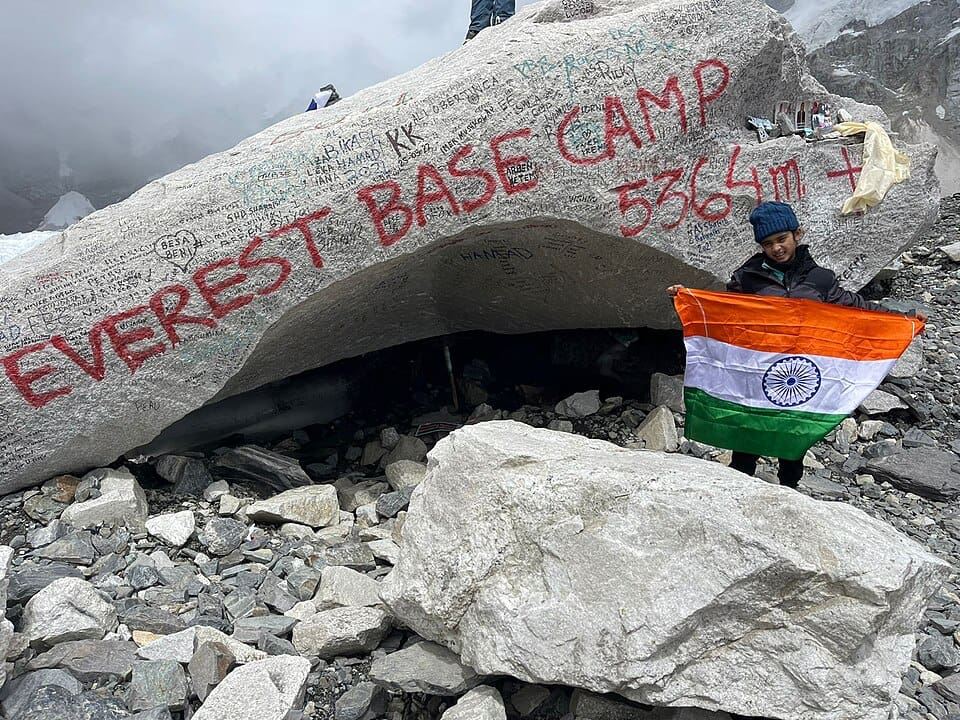
The first thing most hikers notice, apart from the fantastic views, is the height of Everest Base Camp. There are two base camps on Mount Everest: the North Base Camp (Tibet region) and the South Base Camp. The one people mainly refer to as Everest Base Camp (EBC) is also known as the South Base Camp and stands at 5364 meters (17,598 feet) above sea level. It is on the southern side of the mountain in Nepal. It remains the world’s most popular trekking destination.
Although you only expect to gain about 8,215 feet (2504 meters) during the trek, it could be more if you take the Kala Patthar route. This is because the route has a higher altitude than EBC. It usually takes an extra day to go through here, and the route offers a beautiful view of Mount Everest and its surrounding villages, which is why many hikers choose it. Other routes, such as Gyoko Lakes and Three Passes, are not as high as Kala Patthar, but they would add extra days to the hike.
Significance of Everest Base Camp’s Elevation
Everest Base Camp elevation is not just about numbers. It is the reason adventurers from all over the world visit it every year. For most visitors, reaching the summit is a feat. It brings a sense of fulfilment for many people. It’s also one way many hikers have forged strong bonds of companionship. These bonds have helped hikers to brave the possible dangers of reaching the heights.
The views from a vantage point above 17,000 feet (5182 meters) are worth the hassle of getting there. Many take the hike just for the thrill. Some others want to see the world from a higher perspective. For the most daring, EBC is only the starting point of the daunting Mount Everest summit.
How Do I Get To Everest Base Camp?
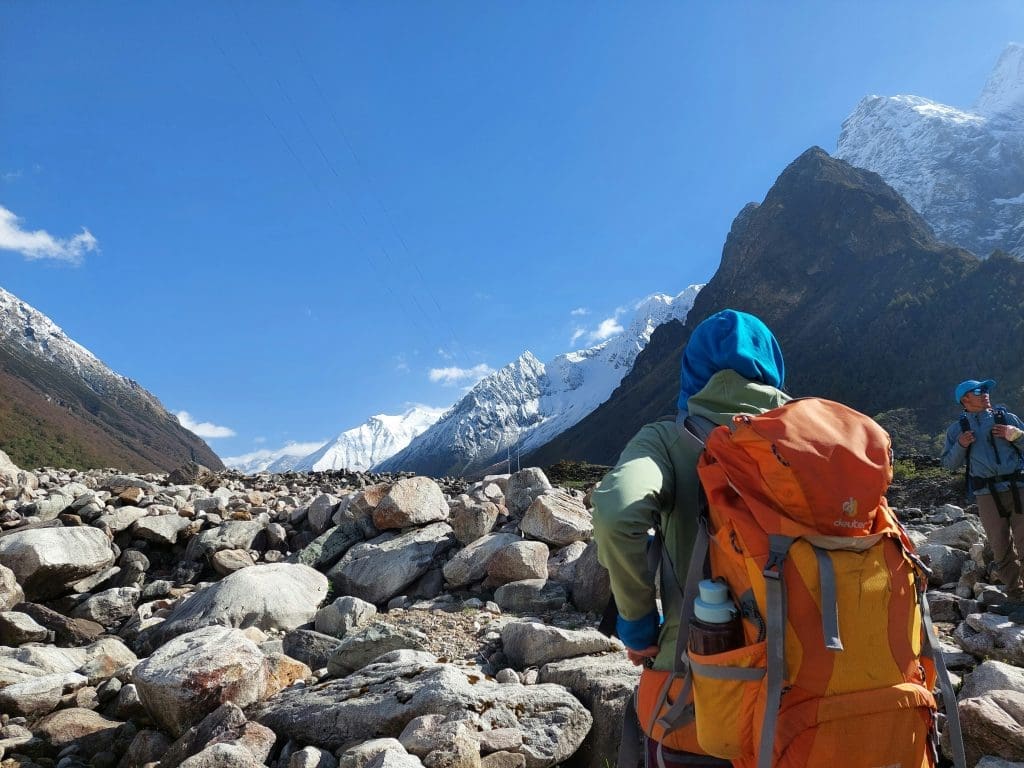
The journey of a thousand steps usually begins at Lukla at 9,383 feet (2860 meters). To save time, hikers begin the journey by flying from Kathmandu to Lukla, as there are no motorable roads connecting the two. From here, hikers trek to the heart of the Sherpa village, Namche Bazaar at 11,286 feet (3439 meters) — the largest town in the Khumbu region. It takes two days to get there, after which climbers are allowed to rest for a day to help them adjust to the altitude.
The journey continues through Dingboche and Tengboche, and many hikers favour the Sagarmatha National Park route, which helps them acclimate more easily due to its gradual ascent. As you climb to the top, you will find quaint teahouses that provide lodging and meals to make your experience a mix of adventure and comfort.
How Long Does It Take To Trek To Everest Base Camp?
The entire trip takes 12 days, from Kathmandu to Kathmandu. If you want something different, other routes, such as the Gyoko Lakes trail, offer more days of adventure and fewer crowds.
To begin the Everest base camp trek, you will need two permits: the Sagarmatha National Park Entry Permit and the Khumbu Pasang Lhamu Rural Municipality Permit. The best times to hike to EBC are between March and May, and September and November, when the weather is more stable.
Is It Dangerous To Get To Everest Base Camp?

The Everest Base Camp (EBC) trek is not particularly dangerous, but it has its challenges. At the top of the list is altitude sickness. As you begin to reach an altitude of 16,400 feet (5000 meters), the oxygen level drops significantly. If you do not acclimatise properly, you may experience headaches, nausea, dizziness, or worse (High Altitude Cerebral Oedema, or High Altitude Pulmonary Oedema). Don’t be in a hurry to finish the hike. Take your time, rest well, and stay hydrated.
Although it is more of a trek than a climb, it involves long hours of walking and rocky paths that may be slippery due to rain or ice. The weather is unstable and it can change quickly. An experienced porter will be able to spot symptoms of altitude sickness and guide you as you go.
Even with concerns about the altitude and acclimatisation at Everest Base Camp, many people are drawn to it every year. It’s the most popular hiking destination, with thousands completing it each year. With the right gear and proper physical priming, the journey to the Himalayas will be memorable.
What is Accommodation Like on EBC?
Accommodation on the EBC trek is basic, yet homey, offering a peek into the warmth of the Sherpa people. There are a few housing structures to choose from, and they include:
Teahouses

The most common accommodation facilities on the mountain are teahouses. The locals run them. They have simple rooms and amenities to attend to basic needs such as sleeping, bathing, and feeding. Some teahouses offer additional services such as Wi-Fi, hot water, and phone charging for an extra fee. The best teahouses are found at the beginning of the hike. You may need to book in advance if you plan to hike during peak season.
Lodges
These are the most comfortable options. However, they are only found at the base of the mountain. They offer more luxury, such as free internet and en-suite bathrooms. Although such luxury comes at a high price, they are perfect if you prefer comfort to adventure.
Tent Camps
It is rare to find campers on an Everest Base Camp trek. It is more expensive because you will have to hire a cook, extra gear, and porters. Most hikers prefer staying in teahouses because they are affordable and straightforward. If you are hiking alone and you love the great outdoors, or want privacy, you may want to camp. However, you should plan your hike properly. Take enough clothing and covering to keep warm.
Tips for Beginners on The Everest Base Camp Trek

The trek to Everest Base Camp is remarkable, but it has its challenges, especially for beginners. If this is your first rodeo, these tips will help you prepare as you should.
Pack Appropriately
Just like any trip, you need to pack the right kind of clothes, preferably waterproof ones. You will need gloves, appropriate hiking footwear for ice, and a warm hat. Pack a sleeping bag, hiking poles, water bottles, headlamps, and a first aid kit. The kit should include Diamox, in case you experience altitude sickness. Also, ensure that you take your permits and passport photos with you. Although electricity is available way up the Everest Base Camp Trek, it is limited, and you may need to pay to charge your devices at the available teahouses.
Go With a Guide
Trekking solo can be exciting and is often less expensive. However, you’ll need to handle your permits, accommodations, and other arrangements. If you’re hiking for the first time, going with a guide will ease the stress of planning. This way, you can save your energy for the trek. A guide is someone familiar with the terrain and culture and knows every route. They know what to expect and can help with your itinerary. Some companies also provide porters who will carry your hiking pack.
Carry Cash
As you move up, the availability of certain things decreases. There are no ATMs on the mountain. They are only available at Namche Bazaar. The local currency is the Nepalese rupee. It will come in handy when you want to make purchases or pay for services.
Altitude Matters
The altitude of Everest Base Camp is a key factor to consider when planning your itinerary. Most companies include one-day stops at Namche Bazaar and Dingboche to help hikers acclimatise. It’s good to stay away from alcohol— take more water instead. Make the most of acclimatisation days. Hike high and sleep low to allow your body to adjust to the altitude. Altitude sickness should not be ignored. If you start to feel symptoms such as nausea, confusion, or headaches, it’s best to descend immediately.
Which is Harder, EBC or Kilimanjaro?
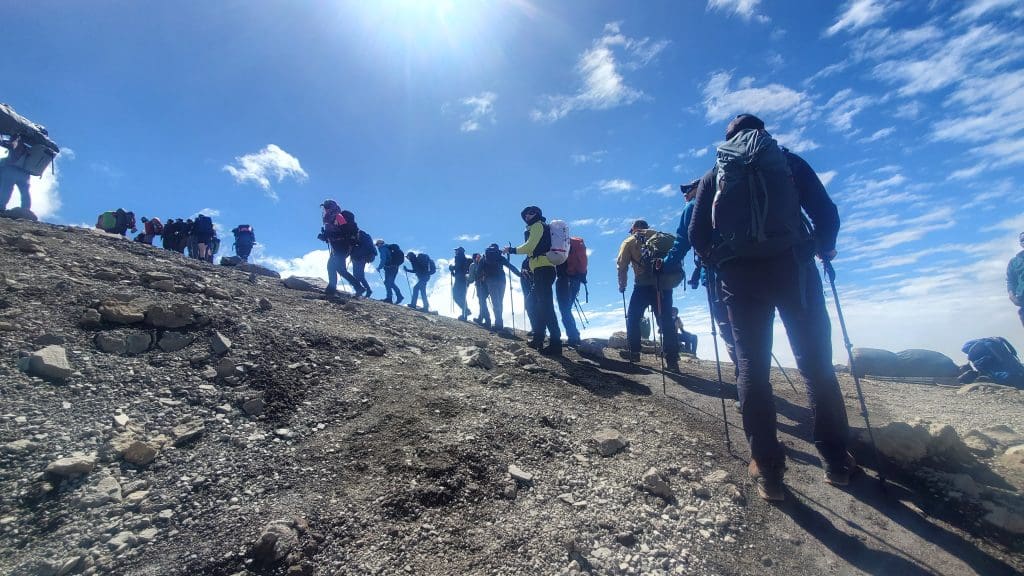
EBC and Mount Kilimanjaro are among the most popular hiking destinations worldwide. Both of them will test your mental and physical strength and endurance. While they do not both require technical skills, the experiences differ. The differences in altitude, weather, and terrain help distinguish the two. Let’s explore the differences and how they affect your experience. People may be asking how hard it is to climb Mount Kilimanjaro compared to Everest Base Camp.
Altitude and Acclimatisation
Everest Base Camp elevation is 17,598 feet (5364 meters), compared to Kilimanjaro’s summit, Uhuru Peak, at 19,341 feet (5895 meters). This shows that Kilimanjaro has a higher altitude. The trek takes 12-14 days. This allows your body time to acclimate to the elevation gain at Everest Base Camp. Climbing Kilimanjaro takes 5-8 days. The climb is completed more quickly. This increases the risk of altitude sickness, making the ascent of Mount Kilimanjaro more challenging.
Terrain and Trail Conditions
The EBC trail winds through an uneven terrain with suspension bridges, rocky paths, and steep climbs. The trail is not as straightforward as Kilimanjaro’s trail. Kilimanjaro’s routes get steeper as you ascend. The most brutal part of the climb is the summit day. This involved pushing through ice and cold to get to Uhuru Peak by sunrise.
Comfort and Logistics
The most common housing on the Everest Base Camp trek is teahouses. They provide necessities such as food, beds, and warmth for weary trekkers. While on Kilimanjaro, you will have to camp most of the time. This is because not many camps have huts. On this note, Mount Kilimanjaro is more difficult compared to EBC.
Mental Challenge and Endurance
For EBC, your endurance is tested over a long period. This is because the ascent is gradual, so it takes longer days to finish. The Kilimanjaro climb pushes your mental limit in a short time, especially on summit day.
In Closing
The EBC trek is the definition of nature’s beauty, blending physical exertion with human culture. The fantastic thing about the hike is that with determination, endurance, and, of course, physical and mental preparation, anyone can achieve it. How would you feel standing at the top with the world at your feet? This journey is worth every step.
If Mount Kilimanjaro vs Everest Base Camp elevation were to be a contest, it would be a tie. Whichever destination you choose, you will be rewarded with a sense of triumph, stunning views, and memories you will never forget.
FAQs about Everest Base Camp difficulty.
How much money do I need for the Everest Base Camp trek?
Plan between $1,200 and $5,000, depending on your budget. This includes the two permits, flights, porters and guides, food and accommodation, gear rental/purchases, and extras such as insurance, internet, and so on.
Can I do the Everest Base Camp trek without training?
Yes, but training is recommended. Take regular walks/hikes, cardio, and leg workouts to make the trek safer and more enjoyable.
What is the success rate of the Everest Base Camp trek?
About 90% of trekkers reach Base Camp when they prepare adequately and acclimatise.
What grade is the Kilimanjaro trek?
Grade 4 — Challenging. Non-technical but physically demanding due to altitude, long days, and the tough summit night; longer routes raise success rates.