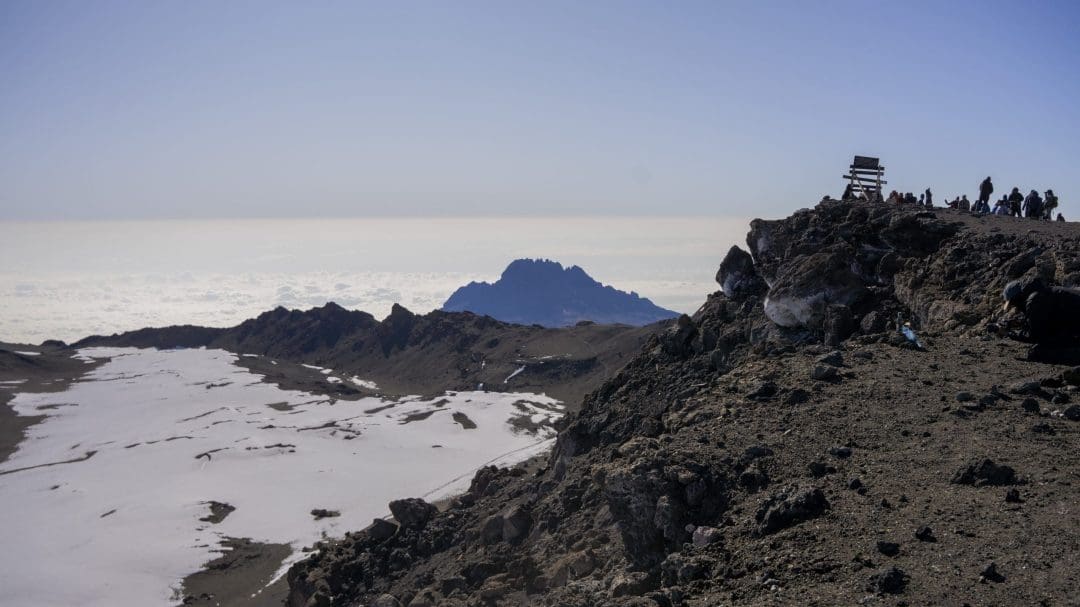


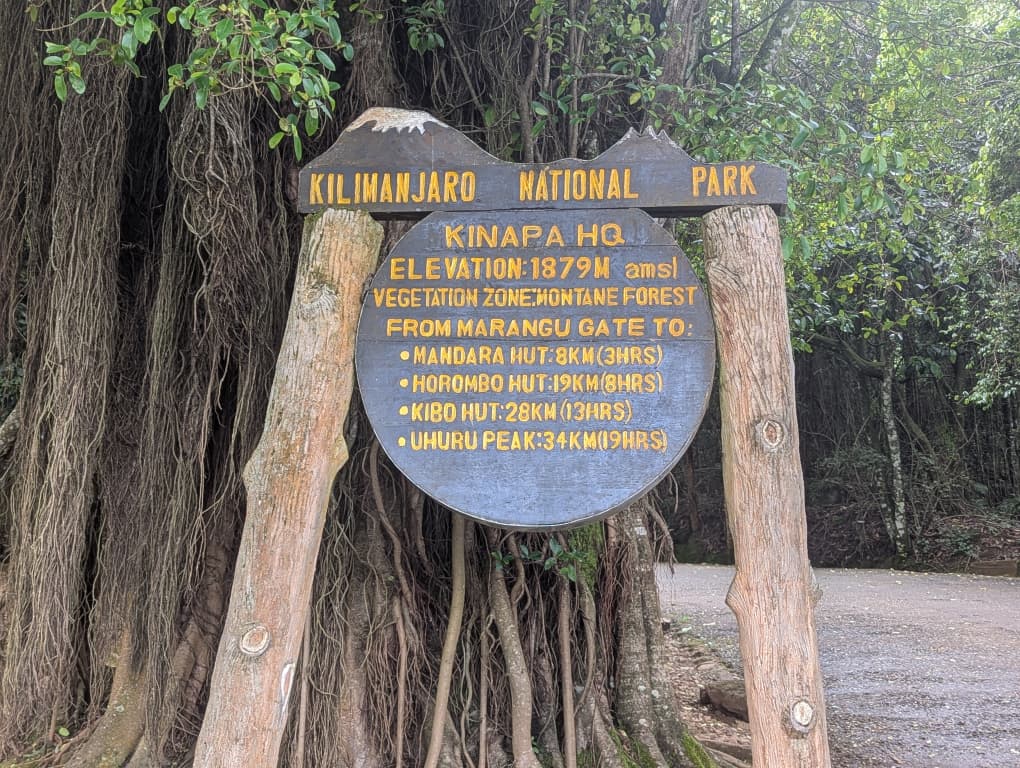
Mount Kilimanjaro, Africa’s highest peak, is a towering marvel that has captured the imagination of adventurers for centuries. It has long stood as a symbol of mystery, power, and beauty. Kilimanjaro’s snow-capped summit, rising 5,895 meters above sea level, remains one of the most iconic trekking destinations in the world. But have you ever wondered: Who was the first person to climb Mount Kilimanjaro? The answer unfolds not only through European exploration but also through the courage and contributions of local Tanzanians, who knew the land long before outsiders arrived.
The history of Kilimanjaro’s first ascent is not just a story of exploration. It’s a testament to human endurance, determination, and cross-cultural collaboration. In this article, we’ll trace the origins of that historic expedition and explore how it has shaped modern-day experiences of climbing Kilimanjaro.
Early Attempts at Climbing Mount Kilimanjaro
Before the first successful summit, several explorers tried to conquer Kilimanjaro but were defeated by the mountain’s harsh climate and extreme altitude. Most early attempts date back to the 1800s, when European missionaries and adventurers became fascinated by the towering “White Mountain” in East Africa.
One of the first to document the mountain was Johannes Rebmann, a German missionary. In 1848, he reported seeing snow on Kilimanjaro’s peak, an observation that many in Europe found hard to believe.
Though Rebmann never attempted the climb himself, his reports were key in drawing attention to the mountain. His accounts triggered curiosity among geographers and scientists.
By the late 19th century, European interest in East Africa was growing rapidly. Several expeditions attempted to summit Mount Kilimanjaro, but extreme cold, steep slopes, and lack of high-altitude knowledge led to failure. Still, the drive to reach the top only intensified.
The First Successful Summit: Hans Meyer and Ludwig Purtscheller
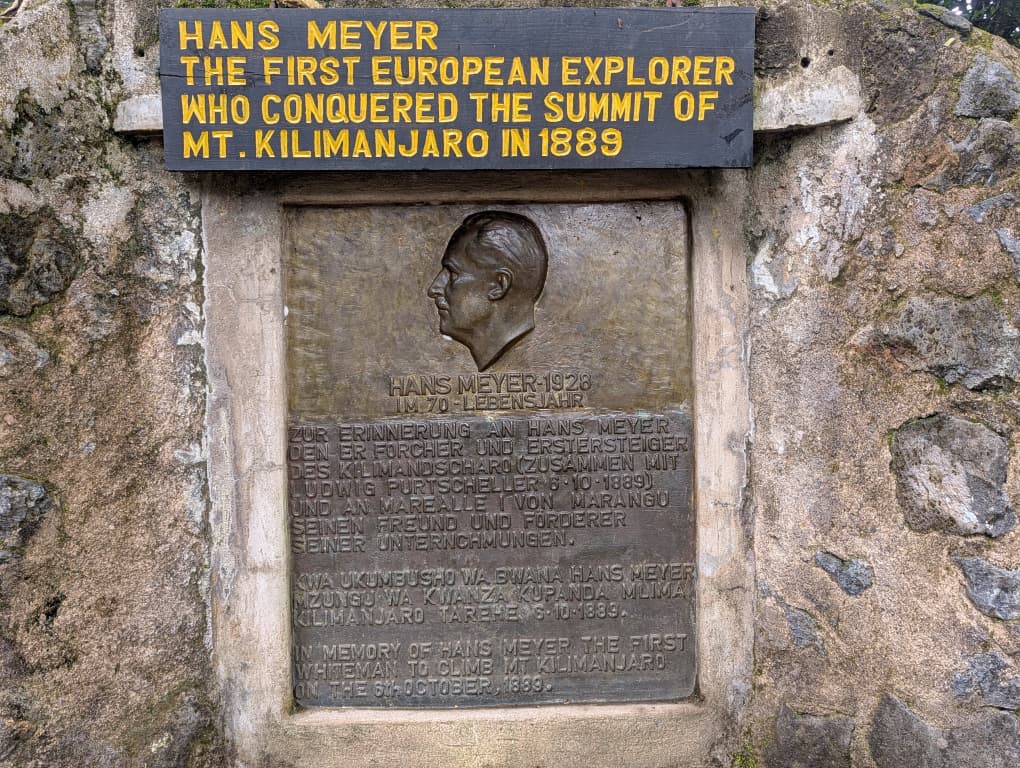
Two European mountaineers, Hans Meyer, a German geographer, and Ludwig Purtscheller, an Austrian alpinist, share the title of “first person to climb Mount Kilimanjaro.” Their historic ascent took place on October 6, 1889.
Hans Meyer: The Visionary Explorer
Hans Meyer, a German geographer and seasoned climber, made multiple attempts to reach Kilimanjaro’s summit. His first expedition in 1887 was unsuccessful due to insufficient gear and weather conditions. A second attempt in 1888 was interrupted by political unrest and the outbreak of the Abushiri Revolt, a rebellion against German colonial rule, leading to his capture and eventual release.
Undeterred, Meyer returned in 1889 with better preparation and the help of Ludwig Purtscheller, a seasoned climber from Austria. This time, they succeeded.
Reaching the Roof of Africa
With the help of local guides and porters, especially a key figure named Yohane Lauwo, the expedition pushed forward. They battled glaciers, altitude sickness, and freezing temperatures before finally reaching Kibo’s summit, now known as Uhuru Peak. Their victory marked the first documented ascent of Kilimanjaro.
Ludwig Purtscheller: The Mountaineer’s Mountaineer
Purtscheller was not new to climbing. By the time he joined Meyer, he had already summited over 170 peaks in the Alps. His technical expertise complemented Meyer’s vision and drive. Together, they balanced their strengths and overcame altitude challenges with tactical ascent strategies.
The duo’s scientific curiosity, careful acclimatisation, and choice of routes significantly contributed to their eventual success.
The Role of Yohane Lauwo: Tanzania’s Unsung Hero

While European explorers often receive credit, no Kilimanjaro summit story is complete without recognising Yohane Lauwo, the local Chagga man who guided and supported Hans Meyer’s historic ascent. At just 18 years old, Lauwo played a crucial role in leading the expedition through the mountain’s treacherous paths.
Not only did Lauwo provide navigation and cultural insight, but his strength and resilience were instrumental in overcoming the climb’s many physical and environmental challenges. According to local oral histories, Lauwo continued guiding climbs for over 70 years and lived to be well over 100 years old.
In many ways, Yohane Lauwo represents the true spirit of Kilimanjaro, a mountain rooted in community, tradition, and local knowledge.
Legacy of the First Ascent
The successful summit of Mount Kilimanjaro in 1889 opened a new chapter in African exploration. It inspired geographers, naturalists, and adventurers worldwide to experience the challenge of the Kilimanjaro trek firsthand. Over time, the mountain became a symbol of perseverance, attracting climbers from around the world.
In 1989, a plaque was placed at Uhuru Peak to commemorate the 100th anniversary of the first ascent to the summit. Today, climbers still pass this monument, reflecting on the legacy of Meyer, Purtscheller, and Lauwo.
Climbing Mount Kilimanjaro Today: What’s Changed?
Over a century later, climbing Kilimanjaro is more accessible than ever, but that doesn’t mean it’s easy. The trek still demands physical stamina, altitude adaptation, and mental resilience.
Today, thousands of travellers set out to conquer the peak every year, choosing from multiple established routes, such as the Machame Route, Marangu Route, and Lemosho Route. The mountain’s weather can still be unpredictable. However, modern gear, trained guides, and strict safety measures have made the climb much safer and more achievable.
If you’re wondering whether the climb is suitable for all ages, see our guide: Can children climb Mount Kilimanjaro?
Curious about the difficulty level? Here’s what to expect: Is it hard to climb Mount Kilimanjaro?
In closing
The first person to climb Mount Kilimanjaro wasn’t just a single man; it was a team, combining international curiosity with local expertise. Their success in 1889 paved the way for the thousands who now trek Kilimanjaro every year, chasing the same sense of wonder.
Whether it’s historical significance or breathtaking beauty that draws you, Kilimanjaro offers an adventure like no other. And as you follow in the footsteps of those first climbers, you become part of a legacy that continues to inspire.
Frequently Asked Questions
1. Who was the first person to climb Mount Kilimanjaro?
Hans Meyer and Ludwig Purtscheller were the first documented people to reach the summit in 1889, with vital assistance from Yohane Lauwo, a local Chagga guide.
2. How long does it take to climb Kilimanjaro today?
The trek typically takes between 5 and 9 days, depending on the route and the pace of acclimatisation.
3. Is it safe to climb Kilimanjaro now?
Yes, with the proper preparation, experienced guides, and health precautions, Kilimanjaro is one of the safest high-altitude climbs in the world.
4. Why is Kilimanjaro famous among trekkers?
Apart from being Africa’s highest peak, it’s also the tallest freestanding mountain in the world and one of the Seven Summits, making it a bucket-list destination for adventurers.
5. Which was the route initially used to climb Mount Kilimanjaro
The Marangu route was the first route used to climb Mount Kilimanjaro. In 1889, Hans Meyer, a German geographer, and Ludwig Purtscheller, an Austrian mountaineer they summited Mount Kilimanjaro.