

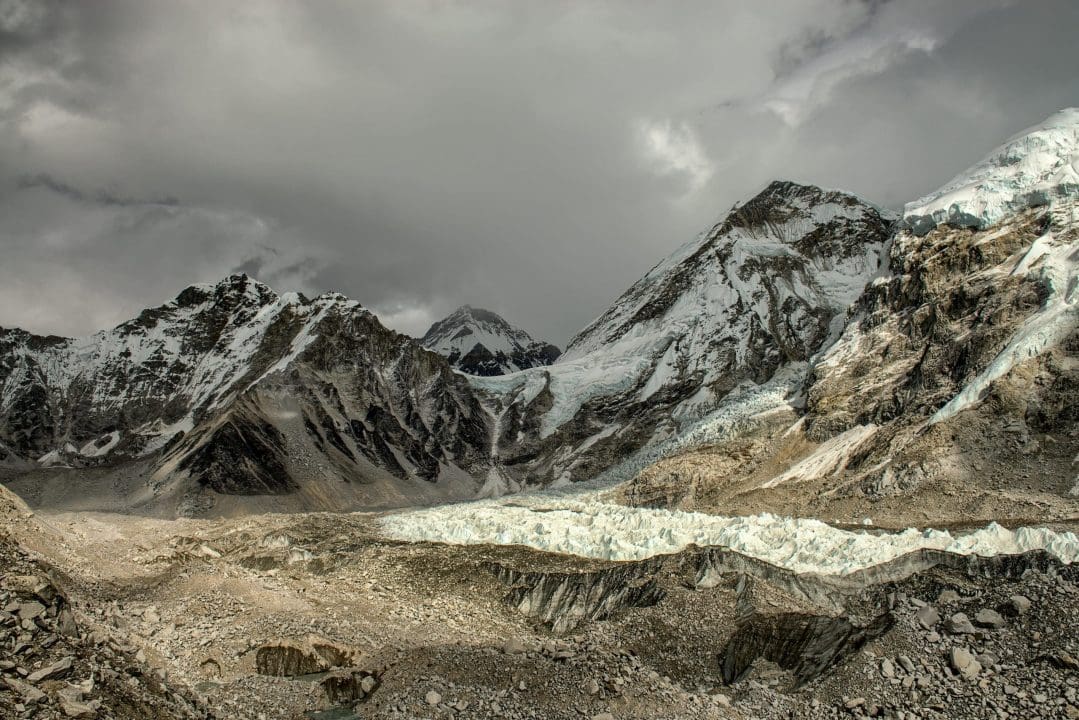
Mount Everest attracts numerous visitors throughout the year, with climbers from around the world aiming to reach its summit. However, this trek is not just a simple hike. It’s a breathtaking journey through the different mountain views. As you travel, you will go through Sagarmatha National Park. In the park, you might see animals that you have never seen before. You will also meet friendly people who live in the mountains.
Your journey to the summit begins with the Everest base camp elevation gain. As such, the editor of Zara Tanzania Adventures will inform you about the altitude gain to the height of Everest Base Camp, provide tips for your trek, and offer guidance on how to prepare for this exciting journey correctly.
What Is Everest Base Camp Elevation?

A popular tourist destination in the mountains is the Everest Base Camp, situated on the south side of Mount Everest. With an altitude of 17,598 feet (5,364 meters), it is one of the most famous trekking spots in the world. Here’s the path that takes you there.
Khumbu Region to Sagarmatha (2,845m to 8,848 m)
The journey to the base camp takes hikers through the beautiful Khumbu region, where Mount Everest, known in Nepal as Sagarmatha, stands tall among the towering Himalayan peaks. From here, visitors can enjoy amazing views and learn about the local culture at the Rongbuk Monastery.
This serene temple, previously a resting spot for climbers, is now the closest experience most people will have before reaching the mountain itself. If you are planning your trip, it is essential to be familiar with the height of Mount Everest, as your body needs time to adjust to the thin air as you approach higher altitudes.
Kathmandu to Lukla (1,400m to 2,860)
Trekking to the Everest base camp takes about 14 to 18 days, depending on the total amount of height you climb as you move from one place to another. It usually starts with a short flight from Kathmandu to Lukla, a popular small mountain airport located 2,800 meters (9,200 feet) above sea level, with a short runway and a cliff.
Although the runway is short, it remains a faster and safer choice than navigating mountain roads without guardrails, which can be hazardous.
Also, the higher you climb, the lower the oxygen levels become. Hence, your body needs time to rest and adjust to these changes.
Lukla to Namche Bazaar (2,860m - 3440m)
After going through Lukla, many trekkers usually take a day off to relax and acclimate to the thinner air before continuing their journey towards Namche Bazaar, a small Sherpa village located at 3,440 Meters (11,286 feet) in the Khumbu region.
Namche to Kala Patthar (3,440m to 5,545 m)
From Namche, the path winds through Sherpa villages along the Dudh Kosi River. Alongside, a swift mountain stream reveals beautiful green rice fields arranged in terraces on the hillsides, as well as forests filled with colourful rhododendron flowers. As you climb, the green plants fade and the land becomes rocky and covered with ice.
The last village before Everest Base Camp is Gorak Shep, sitting at an elevation of 5,164 meters. Trekkers often choose to hike here with their camping gear or return the same day, as there is no accommodation available at the base camp itself.
From the top of Kala Patthar at 5,545 m, you can see Mount Everest and nearby mountains like Lhotse and Nuptse, and the path back to the base camp is a simple up-and-back. It means you go back down the same way you came up.
Everest Base Camp Altitude

Everest Base Camp in Tibet sits at approximately 5,200 meters above sea level. This height encompasses the Rongbuk Monastery Region and the tent hotel area, making it one of the most breathtaking spots to visit.
From the camp’s tents, you can find the monument that marks the height of the Everest Base Camp. It is a perfect backdrop spot for taking evergreen pictures to document your travel.
For most travellers who have already adapted to Lhasa’s thin air, the Everest Base Camp altitude sounds extreme, but it is only 1,550 meters higher than Lhasa’s elevation of 3,650 meters.
Many hikers choose to spend three days in Lhasa, allowing visitors to acclimatise and explore other places, such as the Potala Palace, Jokhang Temple, Barkhor Street, and Drepung Monastery, before heading out through Lake Yamdrok Tso and Shigatse toward the base camp. This route not only gives you spectacular views but also makes the journey easier on your body.
Altitude effects at Everest Base Camp
Everyone trekking to Base Camp will notice some effects of altitude on their body, even experienced guides, who may sleep lightly or wake more easily than usual.
For most travelers, the only change is slightly worse sleep, with 40 per cent of trekkers experiencing either mild headaches or difficulty falling asleep, which usually passes with adequate rest.
Is it hard to breathe at Everest Base Camp?
Yes. Breathing at Base Camp is more complicated than in lower places because of the thin air at 5,364 meters (17,598 feet).
The air has less oxygen, so many trekkers feel short of breath, tired, or notice signs of altitude sickness.
Moving slowly and giving your body time to adjust is the best way to handle it. Drinking plenty of water and eating foods high in carbohydrates can also help your body take in more oxygen.
Most people start to feel better after a day or two as their body adapts to the altitude.
How Can I Prevent Altitude Sickness?
Before you even begin the trip, a medical check-up is a smart step to take, ensuring you do not have any hidden health issues, such as heart conditions.
Doctors usually recommend packing medications like Rhodiola or Diamox and carrying glucose or other altitude aids in case of emergencies.
Another important tip is to avoid showers during your first two days in Tibet, as catching a cold in high-altitude conditions can exacerbate altitude sickness.
Recognising Warning Signs and Staying Safe
Suppose you experience vomiting, unconsciousness, or bluish lips. In that case, it is essential to inform your guide immediately and descend to a lower altitude to reduce the risk of health problems. Allow yourself sufficient time to adjust in Lhasa or Shigatse before attempting to climb higher.
To help with this, drink plenty of water, at least three bottles a day. Stroll and wear a hat to keep warm, especially at night. Avoid heavy exercise and keep your meals light but regular, even if you don’t feel hungry.
Staying Comfortable and Making the Most of your Trek
If you prefer more comfort or are travelling with children or older family members, consider staying in Zhaxizong Township, which sits at a lower elevation of 4,200 meters and offers stunning views of base camp, as well as better hotel options.
With adequate preparation and a proper understanding of how your body reacts to altitude, your journey to Tibet’s Everest Base Camp can be both safe and unforgettable, allowing you to thoroughly enjoy the mountains and culture that make this place so remarkable.
The Everest Three Pass Trek

For anyone curious about the cost to climb Everest, adequate research and planning can make the dream more achievable, but if you’re looking for an equally thrilling adventure at a fraction of the price, consider taking on the Everest Three Pass Trek in Nepal.
This journey lasts 17 days and covers approximately 148 kilometres. Here each day. Trekkers hike for approximately 6 to 7 hours on some of the world’s highest trails, reaching elevations of up to 5,560 meters.
The best time to embark on this trek is from September to December or March to June. As you trek, you’ll come across teahouses where you can enjoy food and find accommodations. You’ll also cross famous mountain passes like Renjo La, Cho La, and Kongma La.
Along the way, you’ll pass through Sherpa villages with Everest base camp altitude, and you need to be ready for altitude sickness because of the changing weather during the climb, most especially in the winter, when snow can block the paths.
Altitude Gain on Mount Kilimanjaro

Although the Everest Three Pass Trek is more challenging, having a guide can make your trek safer and more enjoyable, allowing you to create incredible memories on this adventure. When deciding on your next significant mountain experience, consider comparing other famous hikes, such as climbing Kilimanjaro, as both trips offer experiences that you will remember forever.
Frequently Asked Questions
1. Can a normal person climb to Everest Base Camp?
Yes, a person in good health can trek to the Everest Base Camp. The journey usually takes about 12 to 14 days, allowing your body to acclimatise to the high altitude.
While the trek can be challenging due to the changing weather, rough trails, and the common risk of altitude sickness, many find it manageable with proper preparation and the guidance of experienced professionals.
2.What Is the Hardest Day on the Everest Base Camp Trek?
The most challenging day on the Everest Base Camp trek is typically the walk from Dingboche to Lobuche. This section is difficult because it involves climbing steeply and gaining a significant amount of altitude quickly.
The thinner air, rocky hills, and weather conditions make it even more difficult because by this stage, you may already feel tired from earlier days, making the climb feel harder.
3. How challenging is a hike to Everest Base Camp?
Hiking to Everest Base Camp is challenging, and the difficulty level depends on your fitness level. The trek includes steep hills, rocky paths, and long days that last six hours or more.
Altitude is the biggest challenge, so it’s essential to allow your body to adjust to the height.