


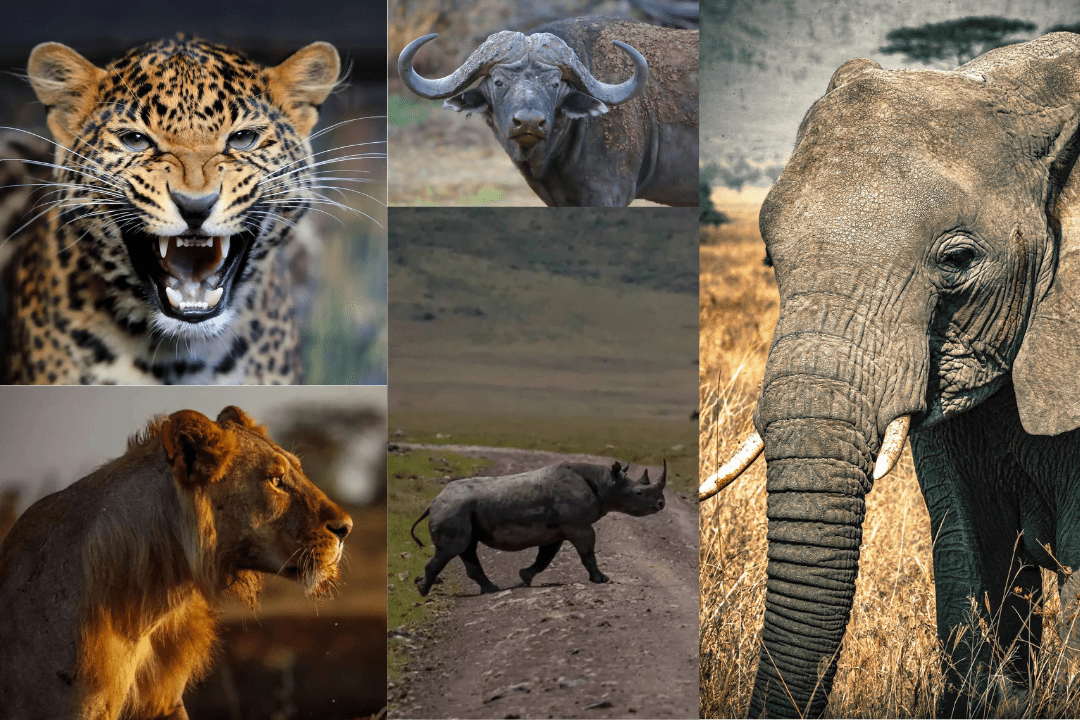
For years, people have travelled great distances worldwide to see the beautiful and unique Big 5 safari animals in Africa: the lion, leopard, rhinoceros, elephant, and Cape buffalo. But what makes these animals so special? Why are they so important in Africa?
At Zara Tanzania Adventures, we’ve spent years guiding travellers through the wonders of Africa and helping them experience the Big Five up close. In this guide, we’ll share everything you need to know about these magnificent animals — from the best places to see them to fascinating facts that will enrich your safari adventure.
What Are The Big 5 Safari Animals?
The Big Five safari animals in Africa are the African lion, African leopard, African elephant, Cape buffalo, and rhino (both black and white). They earned their nickname in the late 1800s and early 1900s, during the colonial-era hunting and trapping.
Back then, people weren’t calling them the big five because of their size – if that was the case, giraffes and hippos would be on the list instead. Hunters used the term to refer to the five toughest and most dangerous animals to hunt on foot. Each animal gave them a run for their money, testing their hunting skills, bravery, and survival.
Today, things have changed for the better. Instead of hunting these beautiful animals, people go on safari with cameras. The excitement is still there, but now it helps protect the animals rather than harm them.
The African Lion: King Of The Savannah
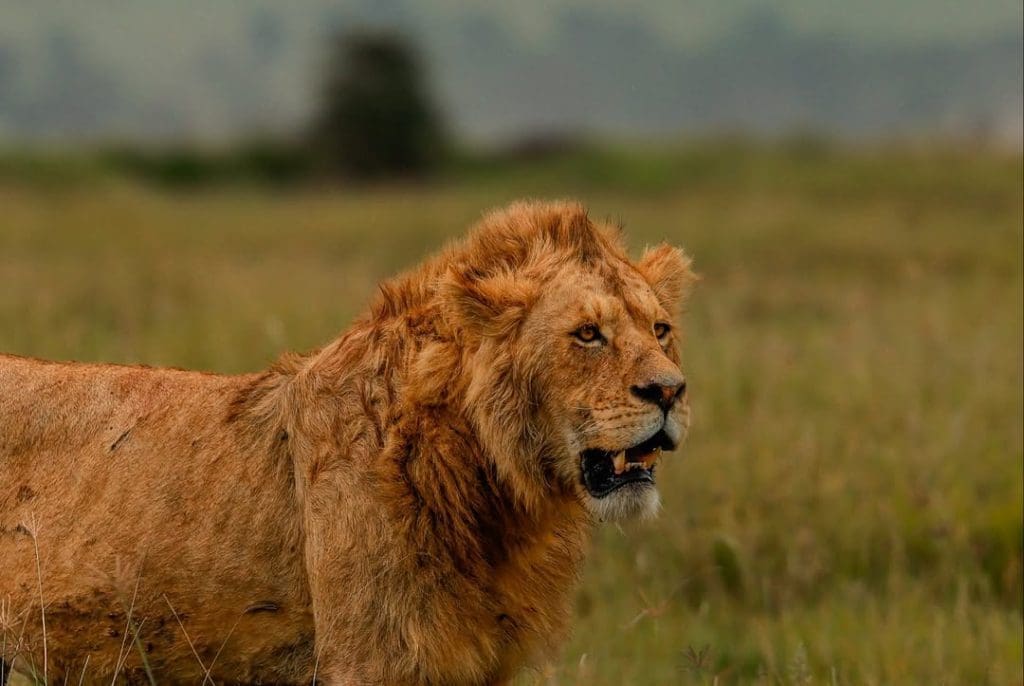
The first animal on the list is the African lion.
Why Lions Made the Big 5
Lions are Africa’s top predators and the second biggest cats on Earth. They used to be all over Africa, the Middle East, and bits of Europe and Asia. Now, you mostly find them in protected spots in sub-Saharan Africa.
Lions are one of the Big Five safari animals, renowned for their strength and stealth. Their brownish-yellow fur helps them hide in the tall grass of the savanna, so you can barely see them. When they feel threatened, they can become extremely dangerous. Their sharp claws and strong jaws let them take down animals that are many times their size.
Some Fascinating Lion Facts
Lions are powerful and amazing animals with many interesting traits. Here are some fun facts about them:
- Their roar is deafening. You can hear it from up to 5 miles (8 km) away. This loud sound helps them accomplish several things: mark their territory, communicate with others in their group, and deter anyone who might want to start a fight.
- They sleep a lot. Contrary to how tough they look, lions sleep a lot—sometimes as much as 20 hours a day.
- They live in groups called prides. Lions are the only big cats that live this way. A pride is mainly made up of females and their cubs.
- Females are the main hunters. They stay in the same pride for their entire lives, while males typically leave at about 3 years old to form or join another pride.
Lions may look fierce, but their close family life and teamwork make them one of Africa’s most interesting animals to watch on safari.
What is the Conservation Status of Lions in the world?
The Lion population faces serious challenges. Around 100 years ago, there were about 200,000 of them. Now? They’re down to about 23,000. Even worse, nearly half of that drop — approximately 43% — occurred in the last 20 years.
The Lion population is declining worldwide, except in Botswana, Namibia, South Africa, and Zimbabwe, all of which are in southern Africa. Several factors put their population at risk, including losing their homes, conflicts with humans (such as poaching), and inadequate food supplies.
The African Leopard: Master of Stealth

Leopards are the most difficult of the Big 5 to spot because they are nocturnal, primarily active at night. These lone cats are active from sunset to sunrise, and they spend their days resting in trees or thick bushes. Leopards are super adaptable, and as such, live in all sorts of habitats, from rainforests to deserts.
Leopards are also on the Big Five list because they are clever and speedy. They can run at speeds of up to 36 miles per hour and jump almost 20 feet across and 10 feet high. When hunted by humans, leopards often climb straight up a tree, making them difficult to follow and catch.
Some Remarkable Leopard Characteristics
Here are some more interesting facts about Leopards:
- Leopards are strong for their size – probably the strongest of all the big cats.
Their strength is evident when they drag heavy prey up into trees, keeping hyenas, lions, and other scavengers from stealing their food. - Each leopard has its own unique spot pattern. Like human fingerprints, these dark, rosette-shaped spots are perfect for hiding in the forest’s shadows. Researchers are also able to tell leopards apart and keep track of them because two leopards can’t have the same spot pattern.
Leopards may be shy and hard to see, but their strength and beauty make them one of the most fascinating members of the Big Five Safari animals in Africa.
Where are Leopards found?
Leopards live in many parts of Africa, but you won’t see them as often in the north and west. A good chance to spot one would be in the East or southern Africa. Some great places known for leopard sightings are the Sabi Sands Game Reserve in South Africa, Moremi Game Reserve in Botswana, and the Serengeti in Tanzania.
The African Elephant: The Largest Land Animal

African elephants are the largest land animals on Earth, and they eat only plants. These amazing creatures can weigh up to 7.5 tons and reach a height of three meters. Due to their impact on the surrounding environment, they are often referred to as ecosystem engineers.
Hunting elephants is challenging, which is one of the primary reasons they are part of the Big 5. In contrast to their size, they can disappear into bushes and are more likely to charge at you than run away. Elephants are protective of their babies, so getting too close to one can be considered dangerous.
Some Fun Facts About Elephants
Elephants are amazing animals — they’re bright, gentle, and full of surprises. Here are some fun facts about them:
- Elephants are intelligent, like chimpanzees and dolphins. They’re great at solving problems, have amazing memories, and even seem to get sad when they lose someone in the herd. The oldest and smartest female elephant usually leads the group.
- Elephants eat a lot. They can eat around 500 pounds of plants every day!
- They use their trunks for many things. Elephants use their trunks to drink water, grab food, and communicate with each other by touching.
- Elephants can swim. They use their trunks like snorkels to breathe when swimming in deep water.
Elephants are not only strong and intelligent — they’re also caring and social, which makes them truly special to see on a safari.
Why Are The Rhinoceros Considered Part Of The Big 5?

The Big Five list of animals categorises both black and white rhinos as a single entry. Both rhinos can also be distinguished from each other.
White rhinos have wide mouths, while black rhinos have pointy upper lips. Funny enough, but the name white rhino probably came from the Afrikaans word wyd, which means wide—this is about the mouth, not the colour of the rhino.
What makes rhinos unique is their aggressiveness and their tendency to charge when threatened. To add to the reasons why they are on the list of the big five safari animals in Africa, their huge size, super thick skin, and horns make them one of the most dangerous animals you could meet while on your safari trip.
The Rhino Conservation Crisis
At the end of 2023, Africa had only 23,290 rhinos. This is a really critical conservation problem. According to research, significant poaching issues from 1960 to 1995 caused rhino numbers to drop by 98%.
The northern white rhino is close to extinction. There are only two left alive, both females living in a Kenyan reserve. Since there are no males, the subspecies can’t reproduce, so it’s basically extinct.
The southern white rhino is near extinction, with about 18,000 individuals left alive. Meanwhile, only about 5,500 black rhinos remain, making them a critically endangered species.
Why Are Rhinos Targeted?
Rhino horns are made of keratin, like your hair and nails. Despite not having any medicinal value, some people in Asia still want them for old-school medicine. Due to this reason, rhinos are being poached at a high rate, which is putting the entire species at risk.
The Cape Buffalo: Africa’s Most Dangerous Big 5 Animal

Cape buffaloes are often referred to as the most dangerous of the Big Five safari animals in Africa because they’re known to ambush and attack people. While they may look like ordinary cows, they’re not friendly at all. Cape buffaloes are unpredictable and can be dangerous.
They are very strong—four times as strong as an ox. Sometimes, they kill lions if they feel threatened. Males can weigh up to 800 kg, and their skin can be up to 2 inches thick in certain areas. Both males and females have big, curved horns. On the head of males, these horns form a “boss”, which is like a thick shield on top of their head.
Some Buffalo Behaviour and Characteristics
Buffaloes are one of the most social animals in Africa. They congregate in huge herds numbering thousands. They possess good memory and are known to be loyal animals. Because of their incredible memory, buffaloes set up ambushes for hunters they’ve seen before. The female buffalo form close bonds and will team up to protect one another from predators, including lions.
Water is essential to buffalo, and they spend a reasonable amount of time relaxing in the mud. This helps them cool off and repel bugs. Additionally, they have a unique relationship with birds, such as oxpeckers, which feed directly on parasites and ticks from their skin.
Why Aren’t Hippos Part of the Big 5?
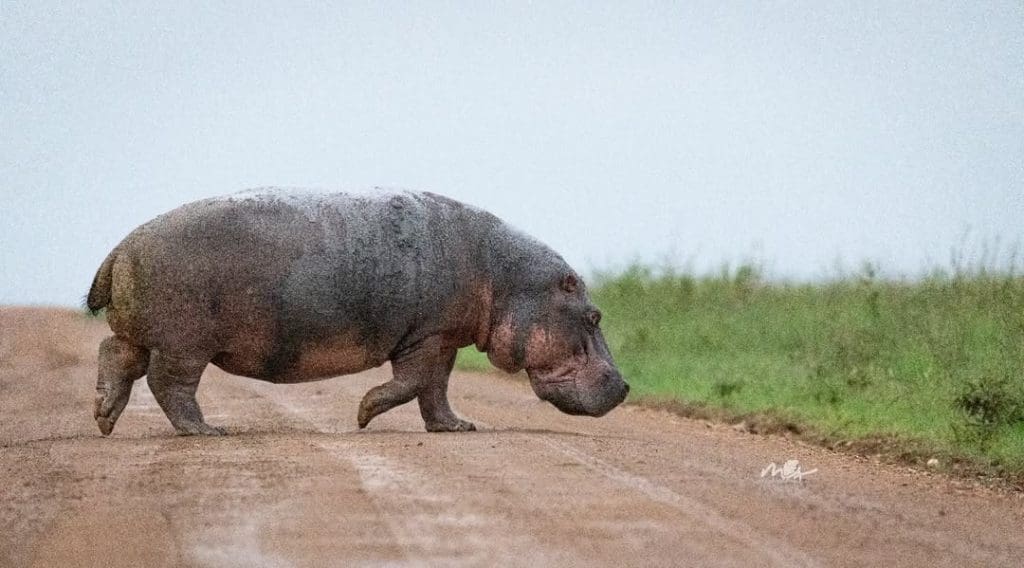
Many people are surprised that hippos aren’t included in the Big Five safari animals. After all, they are huge, powerful, and responsible for more human deaths each year than any of the Big Five.
However, the Big Five were named not for their danger, but for how difficult they were to hunt on foot. Hippos didn’t make the list because they were considered easier to hunt. Since they spend most of their time in the water, hunters on land faced little risk from them. Although hippos can be aggressive when threatened, they weren’t seen as a major challenge for hunters — and that’s why they’re not part of the Big Five.
Why aren’t Cheetahs Part of The Big 5?

Cheetahs are the fastest animals on land, hitting speeds of 75 mph. Despite their speed, they aren’t a danger to people. They are built for speed more than for fighting.
Unlike leopards, cheetahs are pretty shy and usually avoid fights, even with other predators. Lions, leopards, hyenas, and even jackals will steal their food. Because they don’t usually attack humans, cheetahs aren’t one of Africa’s Big Five animals.
Why Is the Giraffe Not In the Big 5?

Giraffes are the tallest animals, and seeing them on safari is always a beautiful sight. However, they aren’t thought of as a threat. Giraffes are peaceful plant-eaters that spend their time eating acacia trees and generally keeping out of people’s way.
A giraffe can kick hard if it feels threatened, but they weren’t hard enough to hunt to be on the Big Five list.
What Is the Big Seven on Safari?
Back in 2000, the Addo Elephant National Park in South Africa expanded, extending to an area near the Indian Ocean. This led to the development of the Big Seven idea. Besides the usual five animals, they included two ocean giants—great white sharks and southern right whales.
Each year, around 2,500 southern right whales swim to the South African coast to give birth. On the other hand, The Great white sharks stick around all year. Presently, Addo Elephant National Park is the only place where you can spot all seven of these amazing species in one spot.
What Is The Hardest Of The Big 5 To See?
Leopards are among the most elusive of the Big Five animals to spot on safari. They’re nocturnal, prefer solitude, and are skilled at hiding. People on safari trips rarely see them.
Black rhinos are also difficult to find because there aren’t many of them left, and they tend to hide in thick bushes. To see one, you’ll need to be patient, have luck on your side, and a guide who knows where they live.
Best Destinations to See the Big 5 Safari Animals
Tanzania is an excellent destination to spot the Big Five safari animals in Africa. Parks like the Serengeti, Ngorongoro, and Tarangire offer stunning views of wildlife in breathtaking settings.
Ngorongoro Crater is a special place. It hosts a ton of animals – over 30,000! – living inside the old volcano. Because of its special environment, the animals living there are thriving well, and if you are visiting, you have a good chance of seeing all of the Big Five in just one day.
Other notable safari destinations include Kruger National Park and Sabi Sands in South Africa, Chobe and the Okavango Delta in Botswana, Maasai Mara in Kenya, and Hwange in Zimbabwe.
Planning Your Big 5 Safari Tanzania Adventures
Seeing the Big Five safari animals in their natural habitat is one of the most unforgettable experiences you can have. A Tanzania safari offers you the chance to witness lions, leopards, elephants, rhinos, and buffalo as they roam freely across the beautiful African terrains.
A safari trip to Tanzania should be on your bucket list. If you’re ready to start planning your journey, explore our Tanzania safari tours to find the perfect adventure. You can also discover the beauty of the Serengeti and experience luxury wildlife viewing through our Serengeti Safari Africa packages.
Every outing in the park is led by expert and interesting guides who understand animal behavior and know the best places for unforgettable sightings. Beyond simply seeing the Big Five, you’ll learn about their habits, their role in nature, and the importance of protecting their habitats — turning your safari into a significant experience.
Frequently Asked Questions about Big Five safari animals
1. How Much Does A Big Five Safari In Tanzania Cost?
The cost of a Big Five safari in Tanzania depends on several factors, including where you stay, the duration of your trip, and the time of year you visit. If you’re on a budget, the cost could be around $200-$ 300 per person per day. For mid-range options, expect to pay approximately $350-$ 600 per day. Luxurious places can cost more than $800-1,500 a day, which usually covers park entrance fees, your guide, and food.
2. What Should I Pack For A Big Five Safari?
For your trip, you can pack clothes in colours like khaki, beige, or olive green. A wide hat, sunscreen, bug spray, binoculars, and a camera with a zoom lens are also good ideas.
3. Can You See All The Big Five Animals In One Day?
Yes, you can actually see all of the Big Five in one day. Tanzania’s Ngorongoro Crater is an ideal location for this, as it is home to a diverse range of animals. Spotting leopards and rhinos can still be hard, so seeing all five usually takes a few drives and a bit of luck.
4. Are Big Five safaris safe for families with children?
Yes, Big Five safaris are usually safe for families. Please note that age limits vary by tour company and the activity you’re participating in. Most lodges prefer to have kids who are at least 6 years old, but some will accommodate younger ones if you book a private car.