

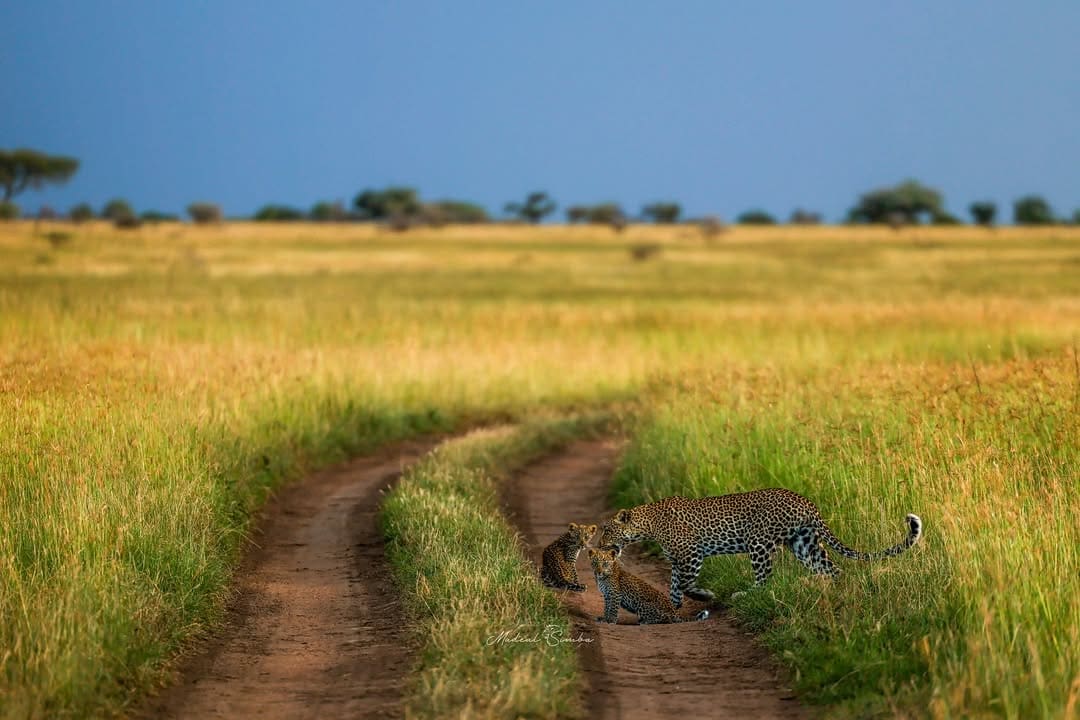
There are several captivating safari destinations in Africa, and the Serengeti is one of the best. Serengeti National Park spans 14,570 square kilometers in northern Tanzania and is home to roaming big cats, a diverse array of wildlife species, and stunning landscapes.
While the park offers enough magic all year round, the question remains, “When is the absolute best time to visit the Serengeti?” The ideal Tanzania Safari Tours depend on what you intend to see during your visit, whether it’s the Great Migration, predator action, or lush green landscapes. Understanding the park’s offerings for each season will help you plan the perfect adventure.
What Is The Great Serengeti Migration?

The Great Wildebeest Migration is the largest annual wildlife migration in East Africa and on Earth. It features around 1.5million wildebeest, 200,000 zebras, gazelles, and other antelopes, moving across the open plains. The migration begins in Tanzania, crosses over into the Masai Mara in Kenya, and back.
This annual migration takes place in the Serengeti National Park, one of the top destinations in Tanzania. It unfolds in several stages, and each part of this journey happens at a different time of year, shaped by rainfall and fresh grazing. Planning your trip to the Great Migration can be the best time to visit Serengeti National Park.
Calving Season (December to April)
The migration starts in the southern Serengeti, where the herds give birth to over 500,000 calves. When short rains fall in December, it signals the start of a new season. The wildebeest stick around green grasses on Ndutu and the southeastern plains till early March or April. As wildebeest calves are born, predators like hyenas come around to hunt. For many visitors, the Serengeti is at its best during this time.
The Trek North and Grumeti River Crossings (April-July)
When long rains begin in April, the herds start the 800-kilometre-long trek north-west. They form massive columns up to 40 kilometers long. As they march on, they face their first major obstacle, the crocodile-infested Grumeti River. About 3,000 hungry crocodiles await them in the Grumeti River, waiting to kill.
Mara River Crossings (August- October)
After crossing the Grumeti River, the herds head on to yet another river with crocodiles, the Mara River. The threat is even higher as the herds try to cross in dramatic scenes. They cross into the Masai Mara National Reserve from Tanzania. They face yet another phase of threat from lion and hyena predators in East Africa. The animals that make it to the Masai fertile grasslands fatten up before returning to give birth again.
The Return South (November)
When the short rains start, the herds move back in a circle through the east. They return to the grass plains around Ndutu for another calving cycle.
What Is the Weather Like in Serengeti National Park?

Serengeti experiences a moderate climate, contrary to the popular opinion that Africa is very hot. It has two distinct seasons: the dry season and the wet season.
Dry Season
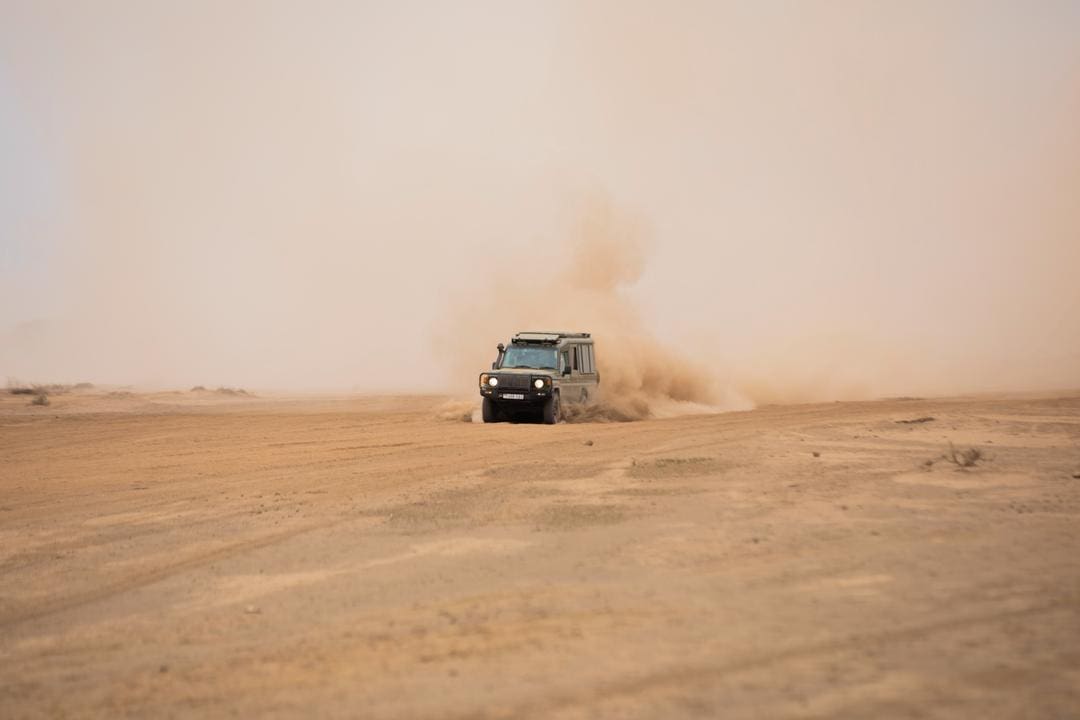
The dry season runs from June to October. Afternoon temperatures are typically high, around 26 °C (79 °F), while nighttime temperatures drop to 14 °C (57 °F). Cold fronts occasionally blow through, bringing temperatures close to freezing. You expect just about 50-200mm (2-8 inches) of rainfall. Many of the water sources and rivers dry up. The dry season is one of the best times to visit Serengeti National Park.
Wet Season
During the wet season, temperatures range from 15 °C (59 °F) at night to 27 °C (81 °F) in the afternoons. This spans from November to May. The rain falls in three stages: short rains from November to December, a dry spell before the long rains from March to May. Rain falls on most days, resulting in an average annual rainfall of 800-1000mm (31-39 inches). The wet season ensures the availability of water and fertile vegetation, which are essential to wildlife survival.
When Is The Best Season To Visit Serengeti National Park?

Visitors tour the Serengeti National Park year-round. However, each season has its perks and downsides.
February To May
February and March are characterized by hot, sunny days and brief rain showers. This period is particularly attractive, offering views of wildebeest calving and their predators. Then, heavy, long rains begin in April and continue through mid-May, marking the low season. Although the park remains, many camps close down. Also, game viewing is challenging due to dense vegetation.
June To October
June marks the beginning of the dry season. The chances of afternoon rainfall and thunderstorms are greatly reduced. It is one of the best times to visit the Serengeti. Visitors experience clean air and excellent wildlife viewing. They come just in time to witness the daily dramatic river crossing. You can spot the herds with big cats easily during this season.
The park is the busiest, with more safari vehicles than at any time of the year. Most visitors either walk or ride along the safari. If you are seeking the Big Five safari animals in Africa (lion, leopard, elephant, rhino, and buffalo), the best season is from June to October.
November to January
November marks the arrival of the short rains, and the Serengeti National Park is quiet once again. The rain refreshes dry lands, preparing fresh grasslands for grazing in the south. Rainfall subsides in mid-December, and the herds prepare to migrate back to the south. If you want to visit when there are many other tourists, this is the best time to visit Serengeti National Park.
Which Months Offer A Quiet Serengeti Experience?

There are two best times to avoid crowds in the Serengeti Safari in Africa. The first low season is from March to May, and the short rainy season is from November to mid-December. Visiting from March to May offers a private experience with fewer tourists and lower accommodation prices. You can tour the park with less competition for the prime spots. There is an expansive green landscape with dramatic skies, where many animals, like the antelopes, give birth. However, it may not be the ultimate best time to visit Serengeti National Park, as heavy rains can make some roads muddy and challenging to navigate.
Ready for your Tanzania Safaris

If you want to witness the significant Wildebeest calving, prepare to visit between January and February. And if you want a quiet visit with fewer crowds, the best time to visit the Serengeti is during the low season. Either way, the park offers unique experiences year-round.
To continue towards actualising your ideal holiday goals, discover our variety of unforgettable Tanzania safari tours with carefully crafted itineraries. And for a closer look at journeys focused on the Serengeti itself, the Serengeti Safari Africa package is the perfect next step.
Frequently Asked Questions
1. Is Serengeti National Park Open All Year Round?
Yes, Serengeti National Park is open throughout the year, including both the wet and dry seasons. However, the wet seasons make some roads impassable due to mud.
2. How Often Does It Rain In Serengeti?
There are short rains from November to December and long rains from March to May. During the long rains, rain falls almost every day but rarely lasts for the entire day.
3. What Is Considered The Best Safari In Africa?
Tanzania’s Serengeti National Park has consistently been rated the best safari destination in Africa. It is famous for the Great Wildebeest Migration, which is the largest mammal migration on Earth.