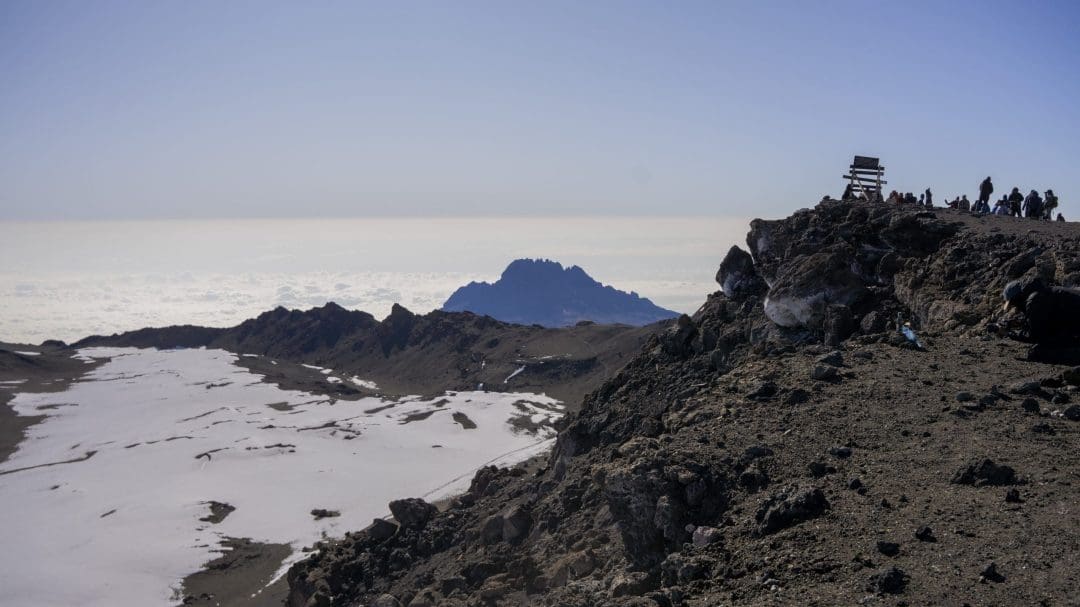


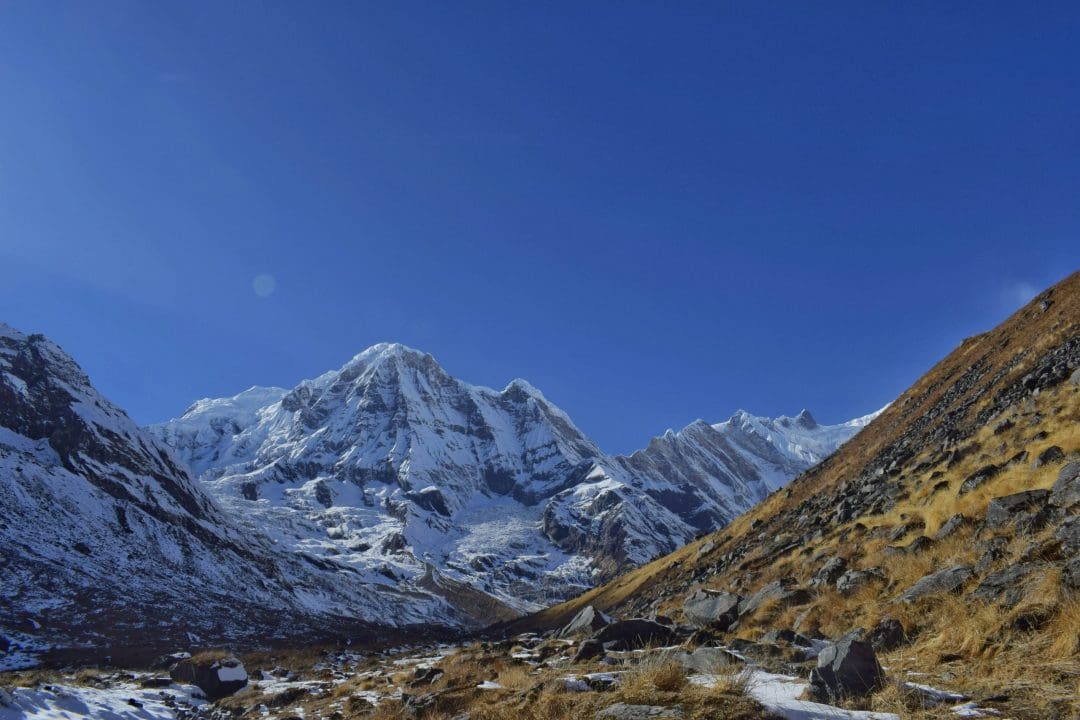
The Annapurna Base Camp Trek leads straight to the foot of Annapurna I, the 10th-highest mountain in the world. The trek is considered one of the most popular in the world because it addresses a common problem: most trails are either too easy to satisfy seasoned hikers or too complex for newbies to attempt.
The Annapurna Base Camp Trek hits the sweet spot. It’s demanding enough to make anyone sweat, yet friendly enough for first-timers. And that is precisely why it is a popular choice among hikers of all experience levels.
How Difficult is the Annapurna Base Camp Trek?
While the Annapurna Mountain itself is considered one of the most dangerous mountains to climb, the Annapurna Base Camp Trek is moderately complex.
The trek takes between 7 and 14 days, depending on the individual’s itinerary. The terrain consists of steep stone steps, rocky paths, and long ascents followed by sharp descents. The changing terrain puts pressure on the knees and legs.
The highest point of the trek is 4,130 meters, which keeps the risk of altitude sickness lower than on routes like Everest Base Camp. This also makes the trail suitable for beginners.
What Are The Safety Concerns?
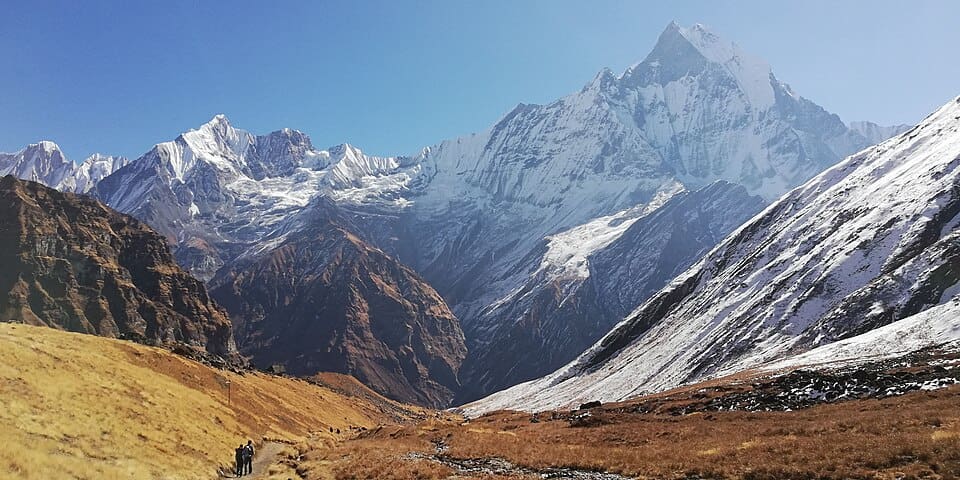
The primary safety concern of the Annapurna Base Camp trek is the weather. Sometimes, the weather changes drastically. Sudden rain or snow can make trails slippery. During the monsoon season (June-September), landslides pose a significant risk, particularly on the trail between Bamboo and Deurali, where the terrain is unstable.
Cold exposure is another concern, especially at higher elevations. Temperatures can drop to -10°C (14°F) at Annapurna Base Camp during the winter months. Without proper insulation and layering systems, trekkers risk hypothermia. Frostbite can affect fingers and toes during early morning starts or extended exposure.
However, the well-established infrastructure reduces many risks. Tea houses provide shelter, and the trail sees regular foot traffic, which means help is usually available. Emergency evacuation by helicopter is possible from most points along the route.
What Is The Success Rate Of the Annapurna Base Camp Trek?
The ABC trek has a high success rate, with the majority of trekkers who start the trek completing it successfully. Trekkers who come prepared and follow proper pacing reach the base camp without any major issues.
This high completion rate is a result of several factors: the gradual altitude gain, well-maintained trail infrastructure, and abundant support services. Most failures happen due to inadequate preparation rather than the difficulty of the trail. There are also weather-related failures, but these are minimal in number.
So, the Annapurna Base Camp trek is generally considered safe and achievable.
What Is It Like To Prepare for the Annapurna Base Camp Trek?
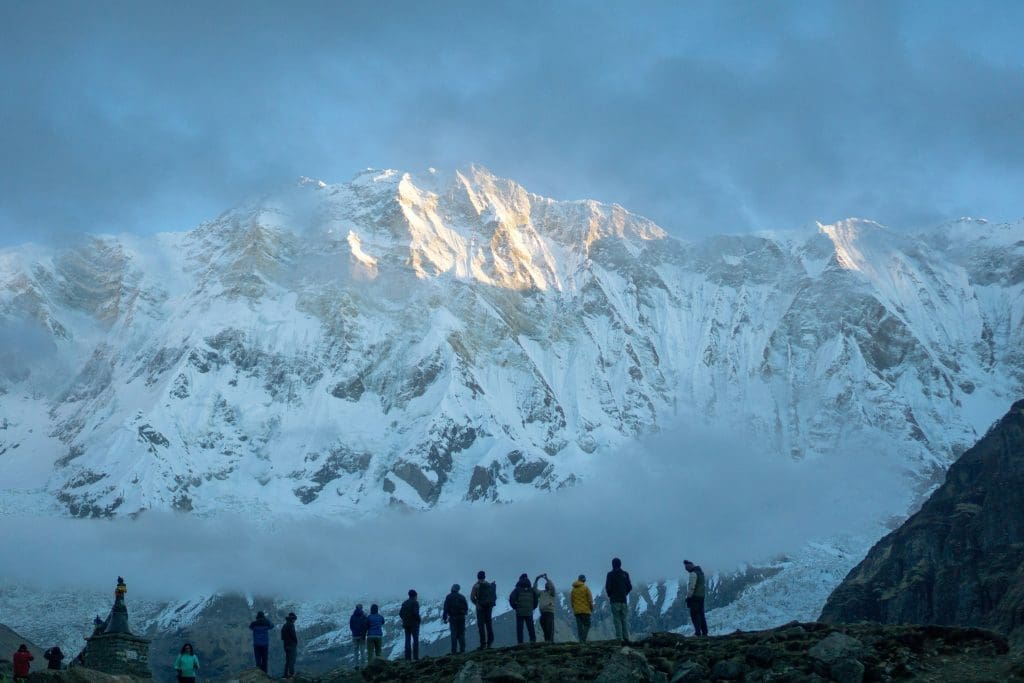
Success on the Annapurna Base Camp Trek begins with proper preparation across several key areas. While the trek doesn’t require technical climbing skills, trekkers need to prepare their bodies, gather the right equipment, plan their budget, and choose the optimal timing for their adventure.
Fitness Level
Given the moderate difficulty level of the Annapurna Base Camp Trek, no prior trekking experience is needed before starting. However, a good level of fitness is essential. Anyone going for the trek should be able to walk for 5-7 hours every day. And if the trekker wants to carry a backpack, they should be able to comfortably hold a 10- to 12-kg backpack.
Above 3,000 meters, there is less oxygen in the air. This requires the heart and lungs to work harder, so trekkers need to maintain good fitness to sustain their energy levels.
Regular exercise, such as jogging, hiking, stair climbing, and long walks with a loaded backpack, helps with preparation. Trekkers should focus on cardiovascular training 4-5 times weekly for 30-45 minutes, gradually building endurance over the training period. Most people who train for at least 2-3 months before the trek can handle the physical demands.
It is also essential for trekkers to check their Body Mass Index (BMI) before embarking on the trek. If the BMI is outside the normal range (18.5-24.9), it is best to consult a doctor for personalized fitness advice before embarking on the trek.
Excess weight increases joint stress and cardiovascular demands at high altitude, while being underweight may affect energy reserves for long hiking days. Individuals with pre-existing heart conditions, respiratory issues, or joint problems should obtain medical clearance before participating in the trek.
Gears
Having the right gear can be the difference between a comfortable and an arduous Annapurna Base Camp trek.
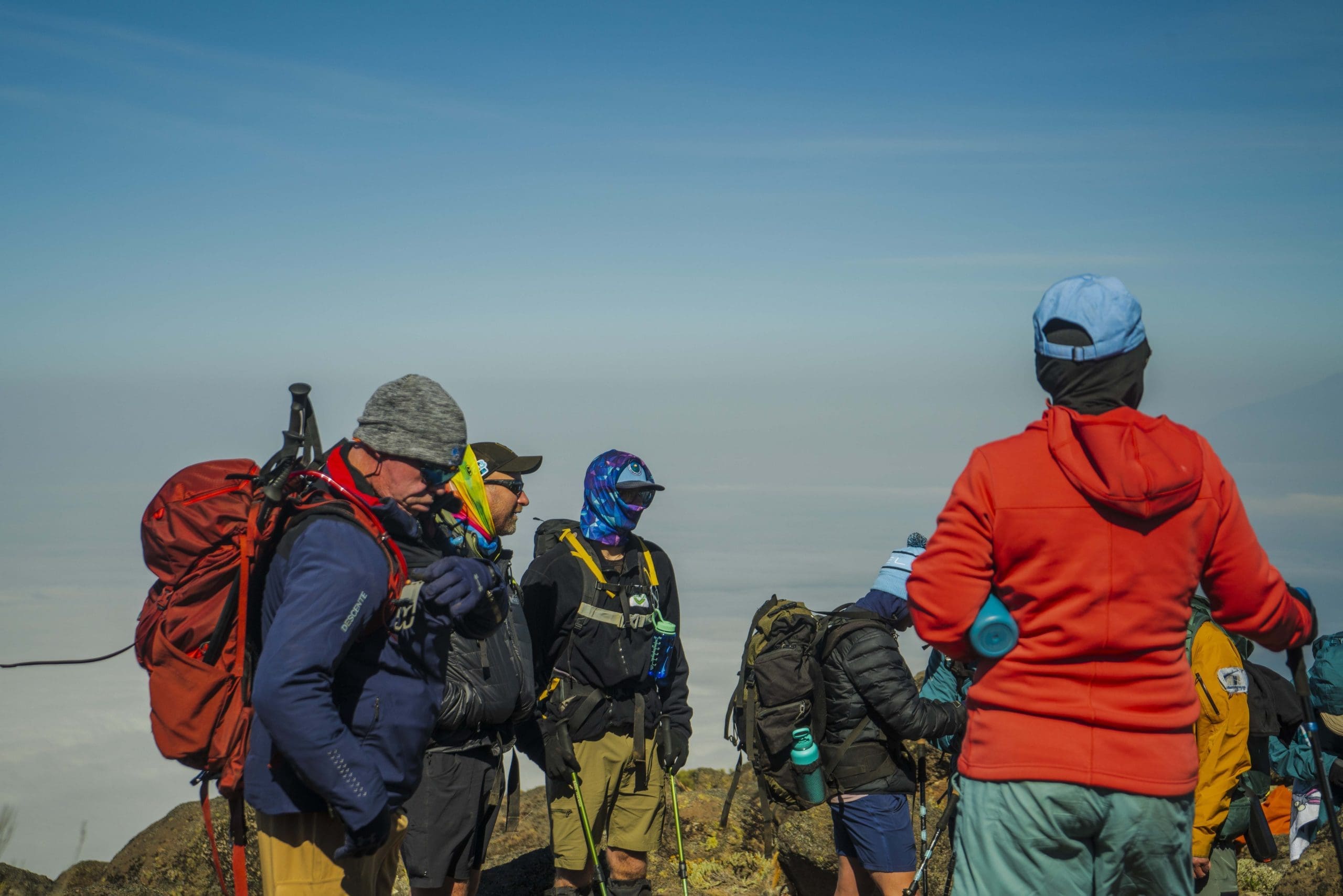
The first thing to consider before going on the trek is wearing proper clothing layers. Trekkers need three types of layers to stay comfortable: a base layer, an insulation layer, and an outer shell jacket. The base layers should be made of moisture-wicking materials, such as merino wool or synthetic fabrics that wick away moisture. Cotton kills in cold weather. Insulation layers include fleece jackets or down vests for warmth. And the outer shell jackets must be waterproof and windproof to protect against rain and snow.
Trekkers should also pack warm hiking pants, thermal underwear, and rain pants. A warm hat, a sun hat, and waterproof gloves are essential for protection.
After clothing, footwear becomes the next priority. A sturdy pair of trekking boots with good ankle support is ideal for this trek. Boots should also be broken in before the trek. This will help to prevent painful blisters. Waterproof boots work best for wet trails and stream crossings. Additionally, trekkers should bring camp shoes, such as sandals, for resting at tea houses.
Other essentials include a good-quality backpack (40-50L) with a rain cover, trekking poles to reduce knee strain, and a sleeping bag rated for sub-zero temperatures. A headlamp, water purification tablets, sunscreen, sunglasses, and personal first aid are also necessary.
Tip: Trekkers do not have to buy all the gear. Many items can be rented in Pokhara at much lower costs than buying new gear. However, ensure to test all rented gear before leaving the city.
Cost and Budgeting
The total cost for the Annapurna Base Camp Trek ranges from $700 to $1,500 per person. Two primary factors determine the price of the trek. The first is whether the trekker is going solo or going in a group. Going in a group saves cost as some expenses are shared.
The second is whether the trekker uses the services of guides/porters or does things on their own. Independent trekkers spend less but handle all arrangements on their own.
It is important to note that this cost does not cover international flights to/from Nepal, visa fees, travel insurance, personal gear, and other personal expenses.
Here is a breakdown of the cost and what it covers:
- Permits: The Annapurna Conservation Area Permit (ACAP) and the TIMS card, together, cost approximately $40-$50.
- Accommodation and meals: This makes up the most significant daily expense. Tea house rooms cost $5-$15 per night. Prices increase with altitude because it is difficult to transport supplies to higher elevations. Trekkers should expect to pay more as they ascend to higher altitudes. Meals cost $3 – $8 per dish, with prices increasing at higher elevations. Most trekkers spend between $25 and $40 per day on food and lodging.
- Guide and Porter Services (optional): Hiring a guide costs around $30 per day, while a porter costs $20-$25 per day. While these services are optional, they make the trek much easier and more enjoyable. Guides provide safety, direction, and share cultural history as they lead trekkers through the journey, while a porter can carry up to 15kg per trekker (with a maximum of 30kg total for two trekkers). Group treks may reduce expenses since costs are shared.
- Transport from Pokhara to the trailhead costs approximately $20-$30 by bus or around $100 by private car.
To stay within budget, trekkers can pre-plan meals, share rooms, and bring small essentials like water purification tablets, snacks, and power banks to reduce cost.
What Is The Best Time to Trek to Annapurna Base Camp?

The best time to go for the Annapurna Base Camp Trek is during Spring (March to May) and Autumn (September to November). Trekkers enjoy stable weather, clear skies, and safe trail conditions during these periods. Due to the favorable weather, teahouses often fill up quickly during these seasons. So, it is advisable to book in advance.
During the Spring season, the weather is stable with clear skies, and there is a minimal chance of rainfall. The temperature ranges between 10 °C and 15°C (50°F-59°F). Not too hot nor cold. Ideal for activities like hiking. The Spring season also adds the beauty of rhododendron flowers blooming along the trail.
The Autumn season provides the most favorable weather conditions. At the start of autumn in September, there may still be little rainfall. However, the skies clear as the days go by. Also, the trails can be somewhat muddy at first, but they dry quickly. In October, the average temperature is 10 °C, making hiking comfortable during the day. The air is crisp and clean, giving a perfect view of the Annapurna peaks.
Outside of the Spring and Autumn season, trekking is still possible but more demanding. There is an increase in rainfall, slippery trails, and risk of landslides, especially during the monsoon season. The only upside to this is that there are fewer crowds, and the accommodation cost is lower. Only experienced trekkers with proper cold-weather gear should attempt this.
What Are The Route Plans for the Annapurna Base Camp Trek?

There are several route plans to reach Annapurna Base Camp. This provides people with options based on the amount of time they have and their level of fitness.
- 10-day Route: The most popular route plan. This plan gives trekkers enough time for proper acclimatization to the high altitude. The trail starts from Nayapul or Birethanti village and passes through Ulleri, Ghorepani, and Tadapani before reaching the base camp. Trekkers cover about 110 km (68 miles) in total, walking 5-7 hours daily through dense forests and farmland terraces.
Most people like this route plan because it allows them to get enough rest and also learn about the local culture.
- 7-Day Fast Route: This route is best suited for highly fit individuals who have previously hiked large mountains. It is not suitable for beginners. Trekkers start at Siwai or Matque village. They skip some rest stops and hike longer each day, often 7-9 hours daily. This means they do not have much time to acclimate to the altitude and must climb to high places more quickly. This is particularly dangerous for those who are not prepared.
- 12 – 14 Days Extended Route: This route combines Annapurna Base Camp with Poon Hill viewpoint. Trekkers get to enjoy amazing sunrise views from Poon Hill first. Then they continue to base camp. This longer route lets people spend more time with local families. It also provides more opportunities to capture great mountain photos.
All routes follow similar paths in the final stages. The final path goes through Machapuchare Base Camp first. Then comes the last climb to Annapurna Base Camp.
The return journey just retraces the same route but can include alternative paths through different villages. Some trekkers choose to end their trek at Jhinu Danda for relaxation in the natural hot springs before returning to Pokhara.
Annapurna Circuit Trek vs Annapurna Base Camp Trek
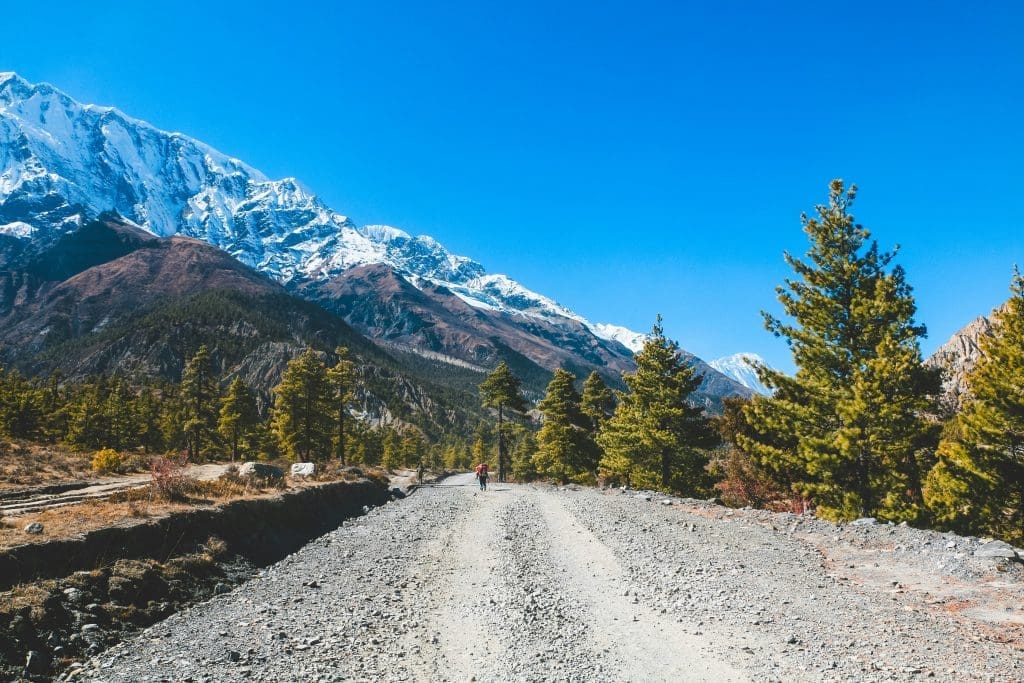
People often think the Annapurna Circuit Trek and the Annapurna Base Camp Trek are the same, but they are not. The key distinction between them lies in the Annapurna Circuit Trek’s loop around the mountains. In contrast, the Annapurna Base Camp Trek goes to a specific destination (the base camp).
The Circuit trek never reaches the Annapurna Base Camp. Instead, the route circles the entire Annapurna massif and ends at a different place from where it starts. Its highest point is Thorong La Pass at 5,416 meters. The Base Camp trek, on the other hand, is an out-and-back route. This means trekkers start from one point, hike to base camp, then return the same way. The highest point is 4,130 meters, located at the base camp.
Some trekkers opt for extended itineraries that combine parts of both treks, but the standard versions are separate adventures with distinct destinations.
In terms of difficulty, the Annapurna Circuit trek is considered more challenging. This is because the Circuit Trek takes approximately 14-21 days to complete, while the Base Camp trek takes 7-14 days to complete. Additionally, the Circuit Trek takes hikers through multiple climate zones. Therefore, it requires more endurance from the hikers.
Annapurna vs Kilimanjaro
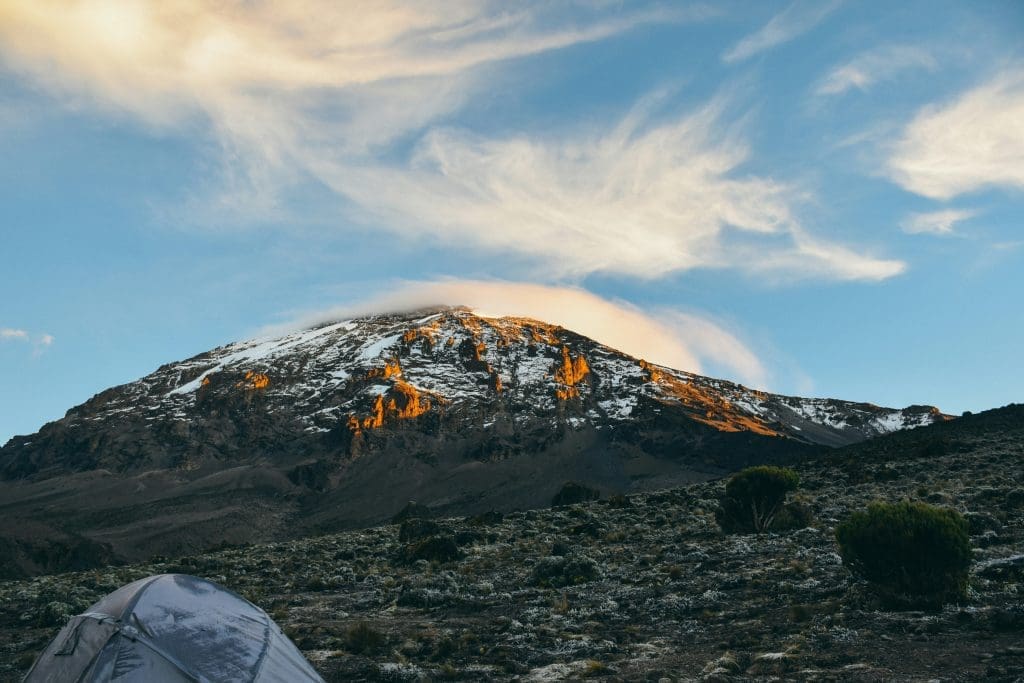
The Annapurna Base Camp Trek is one many hikers have on their bucket list, but how does the experience compare to climbing Kilimanjaro?
The Annapurna Base Camp trek takes about 7-14 days to complete. Hikers walk through forests, farmland, and small villages. The trails are steep in places, with stone steps and rocky paths.
Kilimanjaro, on the other hand, has no base camp. Hikers have to make a direct push up the mountain’s slopes. This process typically takes 5 to 9 days.
In terms of weather, Annapurna has relatively predictable weather conditions. During Spring and autumn, the skies are clear and the temperature is mild.
Kilimanjaro is near the equator, so it is possible to go on an expedition at any time of the year. However, Kilimanjaro’s weather can sometimes be unpredictable.
Is Annapurna Harder to Climb than Kilimanjaro?
Yes, Annapurna is harder to climb than Kilimanjaro. While the Annapurna Base Camp trek itself isn’t technical, reaching the summit of Annapurna I is a different story. It is often referred to as the most dangerous mountain to climb due to its high fatality rate and harsh conditions.
That is why the Annapurna Base Camp trek is the safest way for most people to get up close to Annapurna I.
If you want to know more about how hard it is to climb Kilimanjaro, please check out our detailed guide.
In Closing
The Annapurna Base Camp Trek strikes a balance between challenge and accessibility, making it suitable for everyone. Plus, the beautiful scenery, quiet forests, stone steps, villages tucked into the hills, and finally the sight of Annapurna I give hikers the ultimate hiking experience.
Frequently Asked Questions
1. What happens if trekkers get sick or injured on the trail?
The guides and tea house owners have basic first aid training. So, they can identify and address minor issues. For more serious matters, helicopter evacuation is available. There is a hospital in Pokhara, approximately one hour by helicopter from base camp.
2. Can trekkers charge their devices on the trek?
Yes, trekkers can charge their devices on the trek. Most tea houses offer device charging for small fees ($1-3 per charge). However, charging availability decreases at higher elevations and during peak seasons when power is limited. Therefore, trekkers should bring a power bank.
3. Can trekkers see Mount Everest from Annapurna Base Camp?
No, trekkers cannot see Mount Everest from Annapurna Base Camp. The two mountain ranges are approximately 160 kilometers (100 miles) apart. The Annapurna range is in central Nepal, while Mount Everest is in eastern Nepal, near the Tibetan border. And in between them are other mountains that block any direct line of sight between the two mountains.
4. Do trekkers need travel insurance for the Annapurna Base Camp trek?
Yes, trekkers absolutely need travel insurance for the Annapurna Base Camp trek. However, standard travel insurance typically excludes activities above 3,000 meters and does not cover specific emergencies. Trekkers should purchase specialized adventure or high-altitude insurance that specifically covers mountain trekking activities. This specialized coverage would include helicopter evacuation.