


Traveling on an African safari is a bucket-list item for lots of people. It is a once-in-a-lifetime type of experience that transports you into the wild.
Tanzania is one of the best places in the world to spot wildlife. Approximately 38% of the country’s land area is designated as protected areas for conservation. Planning your Tanzania Safari trip can be daunting, with so many places to visit and a wide range of experiences to choose from.
In this guide, we’ll discuss the top safari parks in Tanzania, which should help you decide exactly where to go.
What Are The Best Safari Parks In Tanzania?

Safari parks are one of the best places to visit in Tanzania. The idea of which Tanzanian safari parks are best is subjective and depends on what type of wildlife and experiences you want. The country is divided into four main safari areas, each unique.
The Northern area is the most travelled. It has famous places such as the Serengeti, Ngorongoro Crater, Tarangire, and Lake Manyara. These parks have good roads (for better accessibility), lodging, a variety of wildlife, and are open year-round.
The Southern area has significant, untouched wilderness areas. You’ll find Selous Game Reserve (now called Nyerere National Park) and Ruaha National Park here. Not many tourists visit these parks, so they’re great if you want a unique bush experience.
The Western area takes you away from the crowds to the Katavi and Mahale Mountains. They are farther away and harder to reach, but these parks offer excellent wildlife sightings and private safari experiences.
The Coastal area mixes wildlife with beach time. After your safari, you can relax on Zanzibar’s beautiful beaches or see Mafia Island Marine Park.
Should You Choose Northern Or Southern Tanzania Safari Parks?
The Northern Circuit (Serengeti, Ngorongoro, Tarangire, Lake Manyara, Arusha National Park, and Mkomazi National Park) is usually the most accessible and the best site for first-time travellers in Tanzania to spot wildlife. It has great roads and a unique collection of wildlife. The icing on the cake is that you can see all the famous parks in a 7-day / 6-night safari itinerary. Here’s how a typical 7-day trip might look:
- Day 1–2: Tarangire National Park and Arusha – Arrival, safari briefing, and game drive in Tarangire, known for its massive elephant herds and ancient baobab trees.
- Days 3-4: Serengeti National Park – Travel to Serengeti via Ngorongoro Conservation Area. You get to witness the Great Migration and see some big cats (Lions, Leopards, Cheetahs, etc) in action.
- Day 5: Ngorongoro Crater – At the Crater, you can see the Big Five and a variety of birds in their natural environment.
- Day 6: Mto wa Mbu Cultural Tour – Cultural immersion through village walks, local markets, traditional dinners, and interactions with local populations.
- Day 7: Departure – Possible extension to Zanzibar or day tours before going back to the Kilimanjaro International Airport.
The Southern Circuit (Nyerere National Park, Ruaha National Park, and Mikumi National Park) is best suited to experienced or repeat visitors to Tanzania and the northern parks. These parks attract fewer visitors and offer unique activities such as boat and walking trips. If you’ve already visited the north, the southern circuit will provide a fresh perspective on Tanzania’s breathtaking natural beauty.
What Makes Serengeti National Park In Tanzania Special?
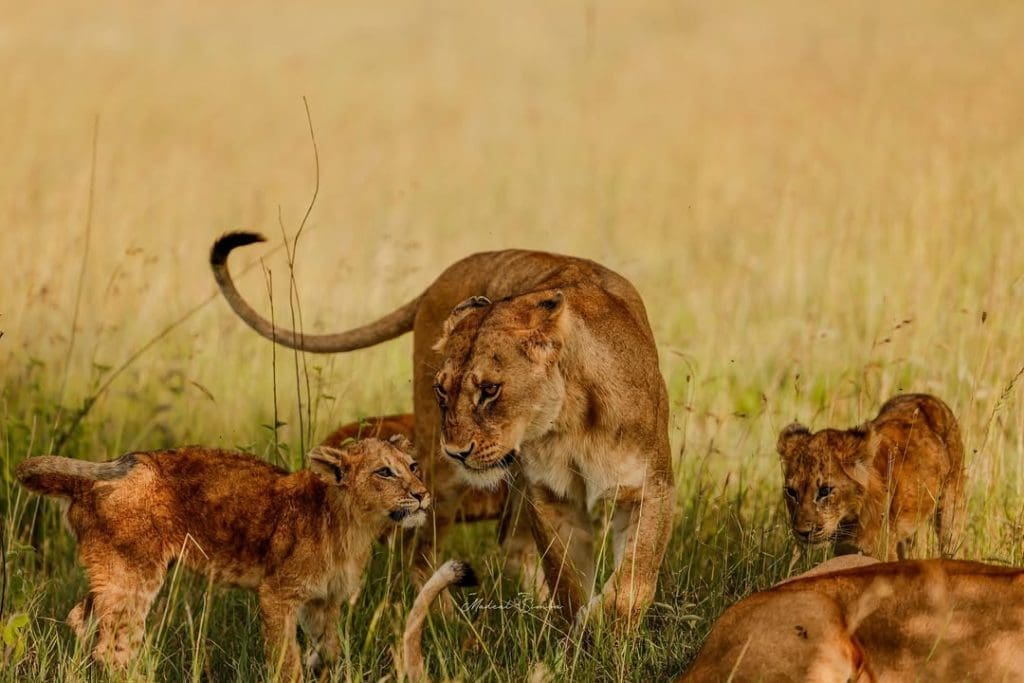
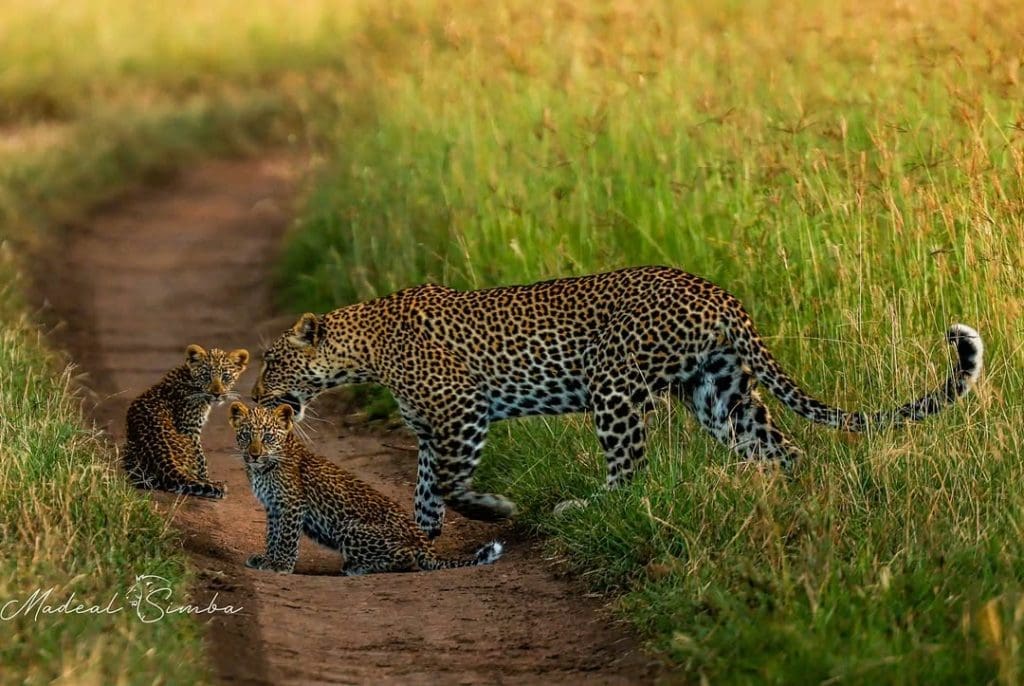
If there’s one name synonymous with “Safari” and a safari park that offers access to a wide variety of wildlife, it’s Serengeti. It is undoubtedly Tanzania’s best-known safari destination and a UNESCO World Heritage Site.
Visit Serengeti National Park in Tanzania to witness the most remarkable wildlife event up close. Apart from being able to see Africa’s Big 5 animals for yourself, Serengeti National Park also offers something you can’t see anywhere else in the world—the Great Wildebeest Migration.
Over 1.5 million wildebeest, 200,000 zebras, and 300,000 gazelles migrate across the world in search of fresh grass every year. This is the largest land mammal migration in the world. Witnessing many animals in motion is an awe-inspiring experience you will never forget. The park covers 5,700 square miles (14,763 square kilometres). The vast, flat, and open landscape also makes spotting these animals easy.
What Is The Best Months To Visit Serengeti?

Knowing when to visit Serengeti Park is essential for planning your safari experience. The Serengeti is always excellent, no matter when you decide to go, but there are undoubtedly different experiences for different times of the year.
- June to October (dry season): Migration is usually northbound, with animals crossing the Mara River.
- January to March: This is the calving season (when all the calves are born) in the south. During this time, you can witness thousands of births a day. It’s also a time when predators are more dominant.
- April and May (Green Season) More rain falls during this period, and everything is green. Few people visit during this period, so you have the entire place to yourself if you value privacy.
What Makes Ngorongoro Crater Special?

The Ngorongoro Conservation Area is a wildlife refuge within a vast, complete volcanic crater. It’s a UNESCO World Heritage Site covering 8,292 square kilometers and home to about 25,000 large animals each year.
The crater floor lies 600 meters below the rim and essentially functions as a natural wildlife preserve. This closed space is home to a wealth of wildlife and is one of the best places in East Africa for viewing the Big Five. Black rhinos are also critically endangered animals that have found sanctuary here, with the crater harboring one of the few remaining groups in Tanzania.
The distinctive feature of Ngorongoro is its support for cohabitation between the Maasai people and wildlife. The Maasai people are semi-nomadic pastoralists who live a traditional lifestyle and coexist with wild animals. This combination of culture and wildlife preservation is unique and cannot be experienced anywhere else.


The crater features diverse habitats that support a wide range of wildlife. There are zebras, wildebeest, and gazelles on the grasslands. Elephants and buffalo are seen around the freshwater springs. Thousands of flamingos congregate in Lake Magadi’s alkaline waters, and Elephants lounge in the shade of the acacia forests when it is hot. Book a safari in Ngorongoro Crater, Tanzania, for a unique wild camping experience!
Why You Should Visit Lake Manyara National Park
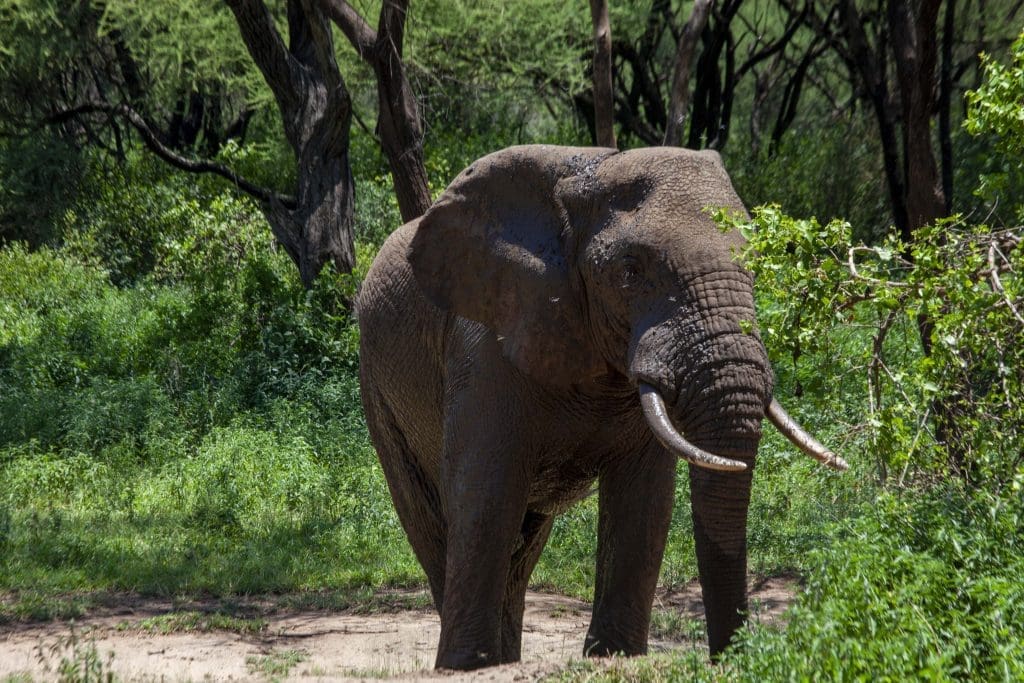
Lake Manyara National Park may be small, only 330 square kilometres, but it’s packed with different things to see. It sits between the Great Rift Valley and Lake Manyara. The park is widely known for lions that climb trees and rest on acacia branches when it’s hot. The lake is alkaline and attracts large numbers of flamingos and more than 400 bird species, making it an excellent destination for bird lovers.
The park has different ecological environments, including dense forests and wide-open grasslands, where you can find elephants, buffalo, zebras, giraffes, hippos, and numerous antelope species. What makes Lake Manyara special is that you can see multiple ecosystems during one drive, with the Rift Valley in the background. The park is also in a good spot between Tarangire and Ngorongoro, so it’s a simple and worthwhile stop on any Northern Circuit trip.
How Does Selous Game Reserve Compare To Other Parks?
Selous Game Reserve in Tanzania recently changed. In 2019, the government designated the northern portion as Nyerere National Park. They named it after Julius Nyerere, Tanzania’s first president. This move was made to help protect the area and improve tourism.
Nyerere National Park is a large area, covering 30,893 square kilometers, making it the largest national park in Africa. The rest of Selous Game Reserve is still used for hunting, and it is around 20,000 square kilometers.
The dominant water system is the Rufiji River. It’s the largest river in Tanzania, and its many tributaries create an intricate network of waterways, lakes, and swamps that supports a variety of wildlife. During the dry season, this area is packed with animals gathering around the water, which makes them easy to see.
Together, Nyerere National Park and Selous Game Reserve protect significant populations of elephants, buffalo, hippos, and crocodiles. Booking a Selous Game Safari would not only give you a wild experience, but you would also be able to witness these animals in their natural habitat.
What Wildlife Thrives In Tarangire National Park?

Tarangire National Park is one of the best safari parks in Tanzania. The park is about 1,100 square miles and is named after the Tarangire River. The river is the only water source in the area during dry periods.
Between June and October, Tarangire becomes a wildlife hotspot. Groups of elephants, sometimes more than 300, converge at the river. You’ll find more elephants here than anywhere else in Tanzania, so it’s the place to be if you’re a lover of elephants.
The park is full of old baobab trees. Some of these fantastic trees are over 1,000 years old, and they make for incredible photos. During dry seasons, elephants eat the bark, and leopards spend the day on the branches.
In addition to elephants, there are several other animals to see. Zebras, wildebeest, and all kinds of antelopes participate in a mini-migration inside the park. Herds of buffalo eat grass in the open areas. Sometimes you might be lucky enough to see a python climbing a tree, which is rare. If you’re a lover of birds, you’ll love to find out that there are 550 different kinds here, including special ones like the Ashy starling that you won’t see anywhere else.
How Much Does a Safari in Tanzania Cost?
Knowing what to expect in safari prices makes planning much easier. Safari prices in Tanzania also vary widely.
Budget Safaris
If you’re on a budget, safaris can cost around $200-250 per person per day. This usually means basic camping or simple lodges, sharing a safari vehicle, and standard meals. These types of safaris are well-suited for people who enjoy adventure and prioritise the experience over comfort.
Mid-range Safaris
Mid-range safaris cost about $350-$600 per person per day. You’ll stay in comfortable tented camps or lodges, have your own safari vehicle, enjoy good food, and be guided by experienced guides. These options are a good deal because they strike a balance between comfort and price.
Luxury Safaris
With this, you can expect fancy lodges with big rooms, gourmet meals, pools, and locations with beautiful views. Luxury safaris typically cost $600 to $1,500 per person per day and usually include extras such as private guides, flexible plans, and special activities like hot-air balloon rides.

A normal week-long (7-day) safari will cost about $2,500 to $ 7,000 per person, depending on how comfortable you want to be. A ten-day safari can cost anywhere from $3,500 to $ 15,000 per person. These prices usually cover your stay, food, park fees, game drives, and any local flights between parks.
Starting Your Wild Experience With A Tanzania Safari
A Tanzania safari lets you see lions, leopards, elephants, rhinos, and buffalo as they roam freely across beautiful landscapes.
Let’s break it to you that you may be dreaming of dramatic lion chases, but most of your safari photos will be animals calmly ignoring you. However, if you can handle early wake-ups and falling in love with animals you can’t take home, then explore our Tanzania safari tours to find the perfect adventure for you. Let’s help you plan your trip to Tanzania with options ranging from budget camping to luxury Serengeti safari experiences.
Frequently Asked Questions
1. How Many Days is Enough For a Tanzania Safari?
We suggest planning for at least a week. That way, you won’t have to rush things when you visit the main parks. You could spend two days in Tarangire, three in the Serengeti, and another day at the Ngorongoro Crater. If you prefer to relax afterwards, consider adding a few days to stay in Zanzibar.
2. Is Safari Better in Kenya or Tanzania?
Tanzania is often the better choice if you’re after a hardcore wilderness trip. It’s bigger than Kenya and less crowded. Because Kenya is smaller, it can sometimes feel too touristy. Plus, the Great Migration spends more time in Tanzania for most of the year (nine months) compared to Kenya (three months).
3. Is it safe to go on a safari in Tanzania?
Tourism is an essential part of Tanzania’s economy, so care and effort are put into ensuring visitors’ safety. In the parks, your guide will ensure your safety. The animals also typically ignore vehicles, so it’s secure.