


Every year, about 35,000 to 50,000 climbers attempt to climb Mount Kilimanjaro. However, the average success rate is 70%. This means that more than 10,000 climbers do not reach the top every year.
As the highest mountain in Africa, your training for Kilimanjaro should be extensive. Your physical fitness and mental readiness play a significant role in how well your climb goes and whether you reach the summit. With the proper training, you’ll feel more confident, better prepared, and able to enjoy the journey, not just the final goal.
What Is Your Checklist Before Climbing?

As you prepare to climb Kilimanjaro, there are certain things you need to check off a list. They are necessary for safe, enjoyable and successful training.
Fitness Check
The first step before you begin practice is to get a medical check. A medical examination is essential to reveal any unknown issues that could affect your climb. If you experience issues such as respiratory problems, high blood pressure, or heart conditions, you should step back from the hike. If you are managing specific conditions, ensure to get a safety check from your doctor. Certify that your fitness levels are sufficient to take on the Kilimanjaro challenge.
Confirm Travel Route
Before you start training, decide on your route. Routes to Kilimanjaro vary in length and hiking style. If you’re taking challenging routes, like the Umbwe route, you must intensify your training. Once you select your route, understand your daily distances and altitude. Then, set aside some days for adequate acclimatisation.
Prepare Nutrition And Hydration
Staying hydrated during your Mount Kilimanjaro climb starts with building good habits during training. As you continue training for the Kilimanjaro climb, practice drinking water regularly during every training session. You should also pay attention to foods that replace salts lost through sweat, especially during longer or more intense workouts. By incorporating nutrition into your preparation plan, you build habits that will support you throughout the climb.
How Fit Do You Need To Be For Kilimanjaro?

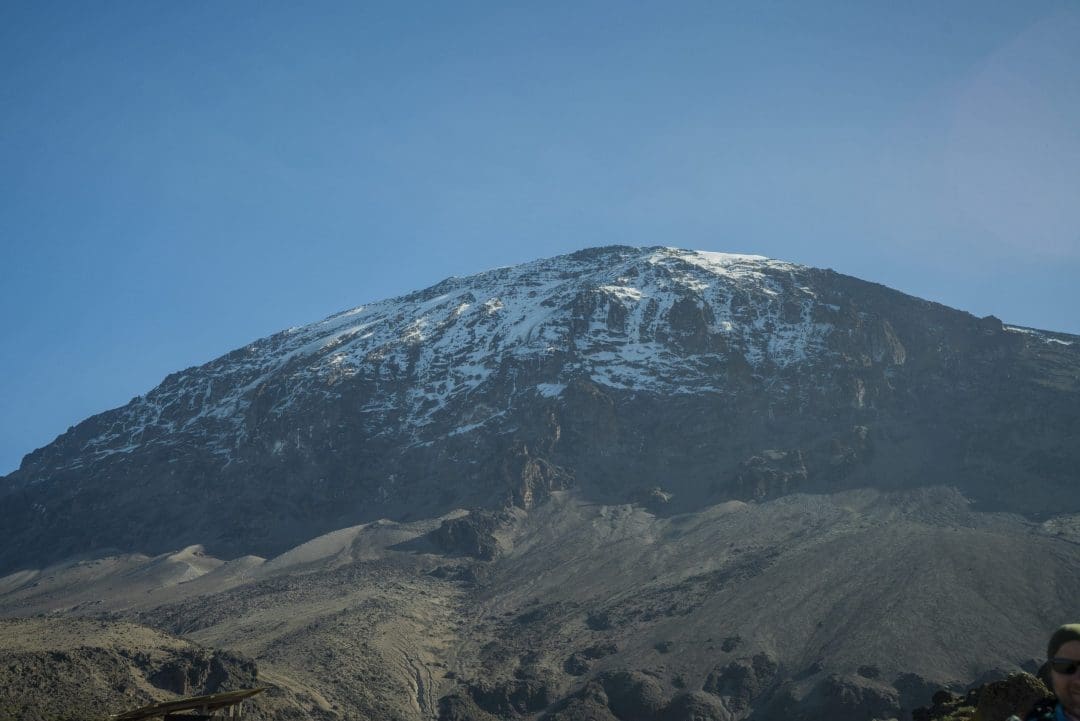
The fitness required for Kilimanjaro is not just physical strength or speed. Instead, it depends on consistent training, stamina and proper acclimatisation. Mental fitness helps you stay focused during challenging moments, while physical fitness allows you to handle long hiking days and steep terrain.
The climb is not technical, but it is a long hike. It is demanding and challenging due to the altitude and changing conditions. Hiking under simulated conditions is one way to get fit. Several types of training can make you fit before your climb.
What Type Of Training Is Needed For Kilimanjaro?
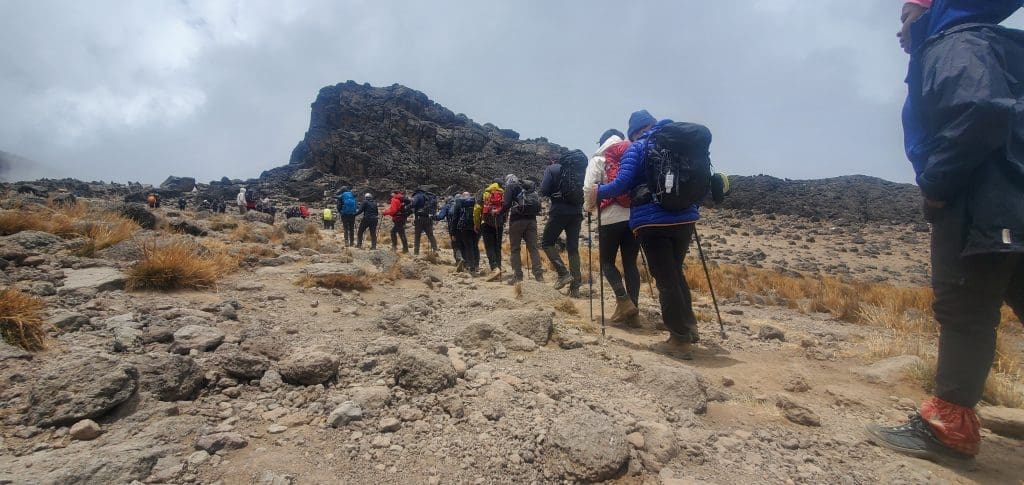
Your Kilimanjaro training plan should cover a range of areas, from building physical strength to improving aerobic endurance. All of these exercises prepare you to handle long hours of trekking and succeed in the challenge.
Stretch And Warm Up
Before every training session, spend 5-10 minutes warming up your body with light activity. This gradually increases blood flow to your muscles, preparing them for the more intense work ahead. Warm-up activities include leg swings, hip circles, arm rotations, and walking lunges.
Hiking Training
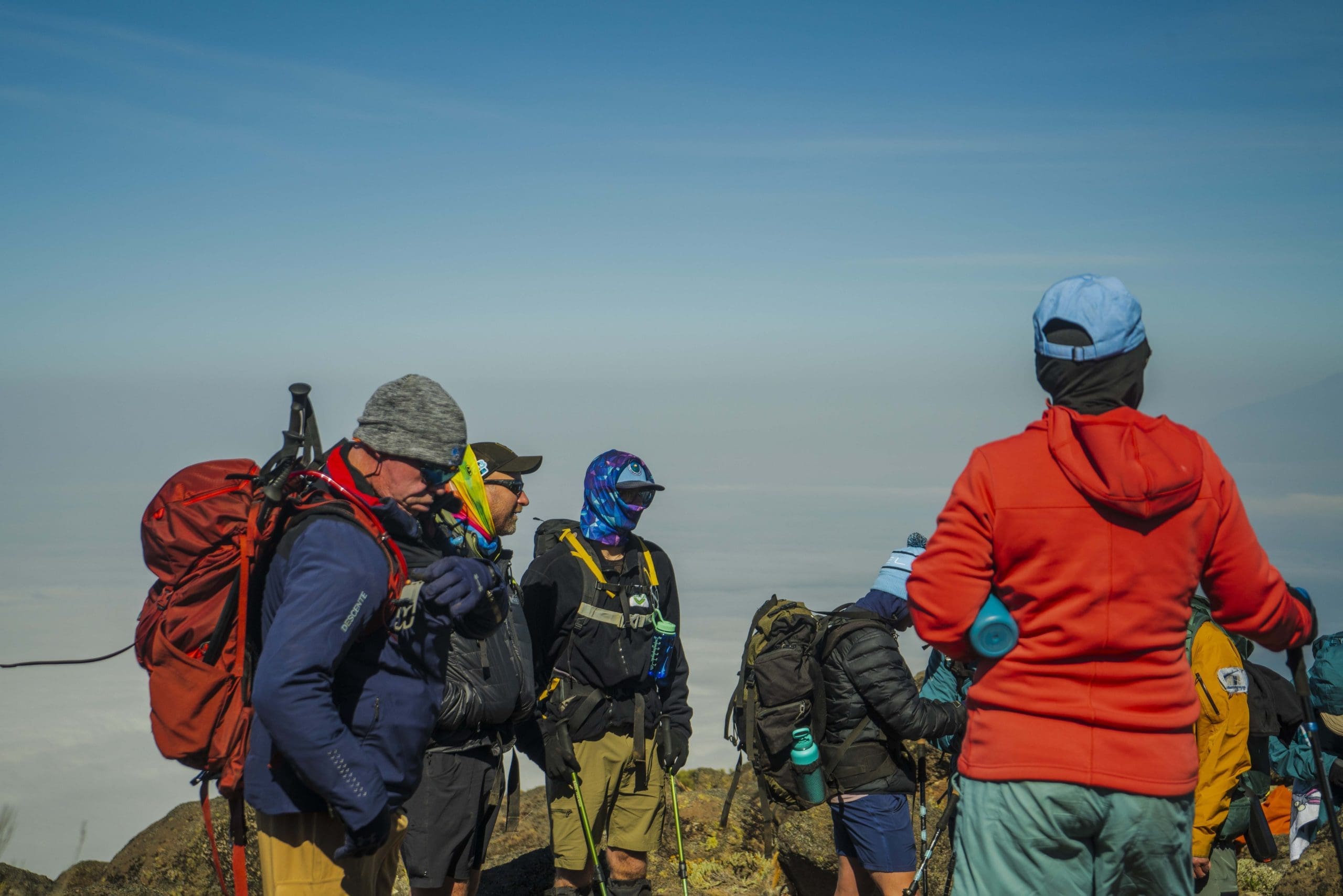
The Kilimanjaro challenge is a high-altitude trek. This means that a large part of your training should prepare you for hiking. You can begin by completing short hikes along outdoor trails.
If you choose to train indoors, use stairs or an incline treadmill. During these hikes, walk uphill and downhill to prepare your body for ascent and descent.
Hikers go on Kilimanjaro with backpacks. As you prepare, simulate pack weight with collapsible jugs of water or gallon containers. Carry the weight up and dump water at the top to lighten the load for descent.
After each hike, increase your pack weight until you are comfortable carrying a 25 lb. (11.3kg) pack. You can set your goal to ascend 915m (3,000ft) in three hours while carrying an average pack of 25 lbs. To reach this goal, take part in as many hikes as possible and stay consistent with your training.
We recommend completing this training for at least 1 hour, 3 times a week. Then, when Mount Kilimanjaro summit day is near, increase your training hours to about four to six hours per day.
8 To 9—Week Kilimanjaro Training Plan For Hiking
The table below outlines an 8–9 week Kilimanjaro hiking and walking plan, intended as a general guideline rather than a fixed rule.
Week | Sessions / Week | Terrain Focus | Duration per Session | Elevation / Incline | Pack Weight | Key Focus |
Week 1 | 3 | Flat + gentle incline | 45–60 min | Light incline | No pack | Build a walking habit |
Week 2 | 3 | Flat + incline | 60 min | Moderate incline | 3–5 kg | Aerobic base |
Week 3 | 3 | Incline + downhill | 75 min | Longer climbs | 5–6 kg | Introduce descent stress |
Week 4 | 3 | Mixed terrain | 90 min | Sustained incline | 6–8 kg | Endurance development |
Week 5 | 3 | Hill repeats | 2 hours | Steep incline | 8–10 kg | Leg strength & stamina |
Week 6 | 3 | Long hike | 2.5–3 hours | Continuous ascent | 10–11 kg | Time on feet |
Week 7 | 3 | Back-to-back hikes | 3–4 hours | Mixed ascent/descent | 11–12 kg | Multi-day fatigue simulation |
Week 8 | 2–3 | Long slow hike | 4–6 hours | Steady incline | 11–12 kg | Summit-day simulation |
Week 9 | 1–2 | Easy walking only | 30–60 min | Flat | Light/no pack | Taper & recovery |
Once you have a hiking routine in place based on this guideline, you can continue strengthening your preparation with additional strength and aerobic training.
Can You Train For Kilimanjaro On A Treadmill?
A treadmill is suitable for training for Kilimanjaro. It helps build aerobic fitness and leg strength for uphill training. However, treadmill training should not replace outdoor walking or hiking.
Oxygen Deprivation Training:
Another essential training for Kilimanjaro is aerobic training, also known as oxygen-deprivation training. Here, you prepare for the high-altitude, low-oxygen conditions on the mountain. Since you will be practising at low elevation, you have several options.
The first is to exercise with an oxygen deprivation mask. These altitude masks limit oxygen intake while exercising.
The second most popular approach is cardiovascular exercise. These include cycling, running, jogging and aerobic dance classes. An exercise like cycling not only increases your heart rate but also tones your legs for climbing Mount Kilimanjaro.
Rowing and swimming are other aerobic training options. Also, practice sleeping in altitude tents that simulate high elevations. Sleeping at simulated altitude helps your body adapt to lower oxygen levels over time.
We recommend starting with 20-30 minutes of sustained activity, three to five days a week. Then increase it to 45–60 minutes, with a 5–10-minute gentle warm-up.
Strength Training For Hiking Kilimanjaro


To climb Kilimanjaro successfully, you need strong legs. The ascent and descent will stretch different parts of your legs, including your hips, calves, quads, hamstrings, and glutes. So, you need strong muscles to endure hours of hiking. The exercises you can do include bodyweight exercises, band training, free weights, and gym machines. Focus on training that builds strength in your legs, shoulders, and upper and lower back.
Plan to complete two full-body strength workouts per week. Engage in a variety of exercises, from pull-ups to squats and deadlifts. Gradually increase your sessions to about 10-15 reps with light weight. This way, you are gaining both strength and endurance.
Train For The Downhill
Many people make the mistake of training uphill but neglect downhill training. Descending the hill places significant stress on the knees, hips, ankles, and lower back.
As you prepare to climb Kilimanjaro, include activities that strengthen the legs and stabilising muscles. These exercises include step-downs, single-leg squats, and slow stair descents. Practice downhill hiking on uneven terrain to teach your body to absorb impact while maintaining balance.
How Long Does It Take To Train For Mount Kilimanjaro?
Most climbers use about 8 to 10 weeks of training before their Kilimanjaro Trek. The length of training also depends on your current fitness level and hiking experience. Training for this long will prepare you physically and mentally. Note that you do not need extreme workouts. Instead, you need regular activity to build endurance, leg strength, and mental stamina. Also, include rest and recovery days in your Kilimanjaro training plan. They are just as important as physical effort.
Do I Need to Include Mental Preparation in My Kilimanjaro Training Plan?
Physical training is necessary, but mental preparation is just as important. You need a positive mindset to stay focused during long, challenging days on the mountain. Train your mind to remain optimistic, even when you feel tired. Mental training also includes knowing when to stop for safety. Work closely with your guides to know when symptoms of altitude sickness set in. When they occur, the prudent decision is to stop and reassess.
Should I Test My Gear During Training?
Yes, you need to test your gear when training for Kilimanjaro. Begin by wearing the boots that you plan to climb in. If you have your travel daypack ready, practice with it so your shoulders, hips and back get used to the weight. Also, try your trekking pants, caps and other clothing materials while you train. Testing these gears will help you determine which piece is not suitable for you.
Who Should Not Climb Kilimanjaro?

Children under 10 are not permitted to climb Kilimanjaro without special permission. While there is no age limit, older climbers must obtain a fitness permit from their doctor before climbing.
If you have a history of asthma or other chronic health conditions, ensure that you stabilise them before climbing. About a month before departure, you should already feel comfortable doing back-to-back training hikes. Do not forget to include at least one recovery day each week so you arrive at the mountain fully prepared for the challenge ahead.
Is Kilimanjaro more challenging than Everest?
Mount Kilimanjaro is a high-altitude trek that does not require technical climbing skills. On the other hand, climbing Mount Everest is a challenge at extreme altitude (above the death zone), with harsh weather and the need for advanced climbing techniques.
Can Beginners Hike Kilimanjaro?
Yes, beginners can hike Kilimanjaro if they train properly and choose the correct route. You do not need prior climbing experience. However, climbing Kilimanjaro can be challenging.
The difficulty comes from the high altitude, which reduces oxygen levels. Physical fatigue builds over several days. Also, the cold temperatures can be unbearable, especially at night.
With the proper preparation, a positive mindset and a slow acclimatisation schedule, many beginners successfully reach the summit of Kilimanjaro.
Ready To Conquer Kilimanjaro?
Training for Kilimanjaro helps you build confidence and resilience. Each day of practice strengthens and fortifies you. Ensure to plan your intensive training to allow for a 4-day rest before your climb. This helps to replenish your muscle strength.
As you prepare your body, prepare to climb with safe technique. You will have guides who are familiar with Kilimanjaro, so listen to your guides.
Suppose you’re ready to take on the challenge of Mount Kilimanjaro. Contact Zara Tanzania Adventures for your Kilimanjaro climbing. We have over 40 years of experience and guides who can choose the correct route and provide expert support from preparation through the summit.