

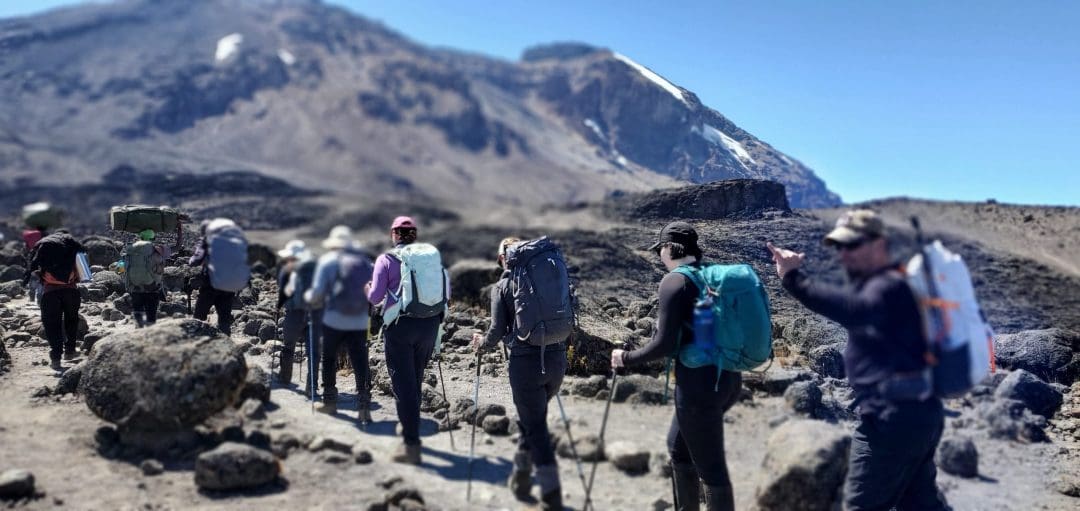
The success of any quest begins way before it starts. Climbing Mount Kilimanjaro is a trek many have undertaken, and success depends on thorough preparation and planning across physical, mental, and financial dimensions. There’s a lot to keep in mind, and frankly, you may not think of everything.
Knowing the history, elevation, and different routes is essential. Still, not enough, so we have curated a list of 13 things you need to know to help you prepare better and not repeat some common mistakes other climbers make.

Is Kilimanjaro a Difficult Climb?
No, it isn’t. Mount Kilimanjaro is one of the easiest mountains to scale. You don’t need any technical equipment, like ropes and axes, to reach its summit. Most people think climbing Mount Kilimanjaro is difficult because of its height, but that is not the case. There’s no risk of missing a step and falling, but it’s a long trek to the top, and you must be prepared for it. It is clearly not a rugged mountain, given the number of people who attempt to climb it every year.
When is the Best Time to Climb Kilimanjaro?
One thing you need to look at before you climb Kilimanjaro is the weather conditions. The wet seasons, which occur around March to May and November to late December, bring heavy rain. The trails get slippery, and the higher you go, the harsher the weather gets. The conditions are better between January and mid-March and between June and October. These are the best times to go for a hike up Mount Kilimanjaro. However, you must bring appropriate clothing, boots, and gear for the hike, preferably waterproof items, as it can rain at any time of year on the mountain.
What is the Hardest Part of the Climb?
The summit night is the most challenging part of reaching the peak. This part will require considerable endurance and strength of character. This is why you must train your mind to unlock the inner strength you may not realise you have. Another thing is to walk slowly. “Pole, pole” is a common Kiswahili expression used by guides that means “slowly, slowly”. This is another form of acclimatizing to prevent strain. You only have to take it one step at a time because the view at the end is epic and worth the wait, not to be missed.
How Fit Should I Be for the Hike?

You may have heard that you don’t have to be an experienced hiker to get to Uhuru Peak, but climbing Kilimanjaro is no small feat. You need to train for the experience. You’ll be walking close to 10 hours a day, depending on the route you take, and more than that on the summit day. You’ll have to train yourself to endure similar conditions. Exercises like yoga may also help your mind prepare. Hiking, cycling, running, and swimming may also help you stay fit.
What Do I Need to Pack for Kilimanjaro?
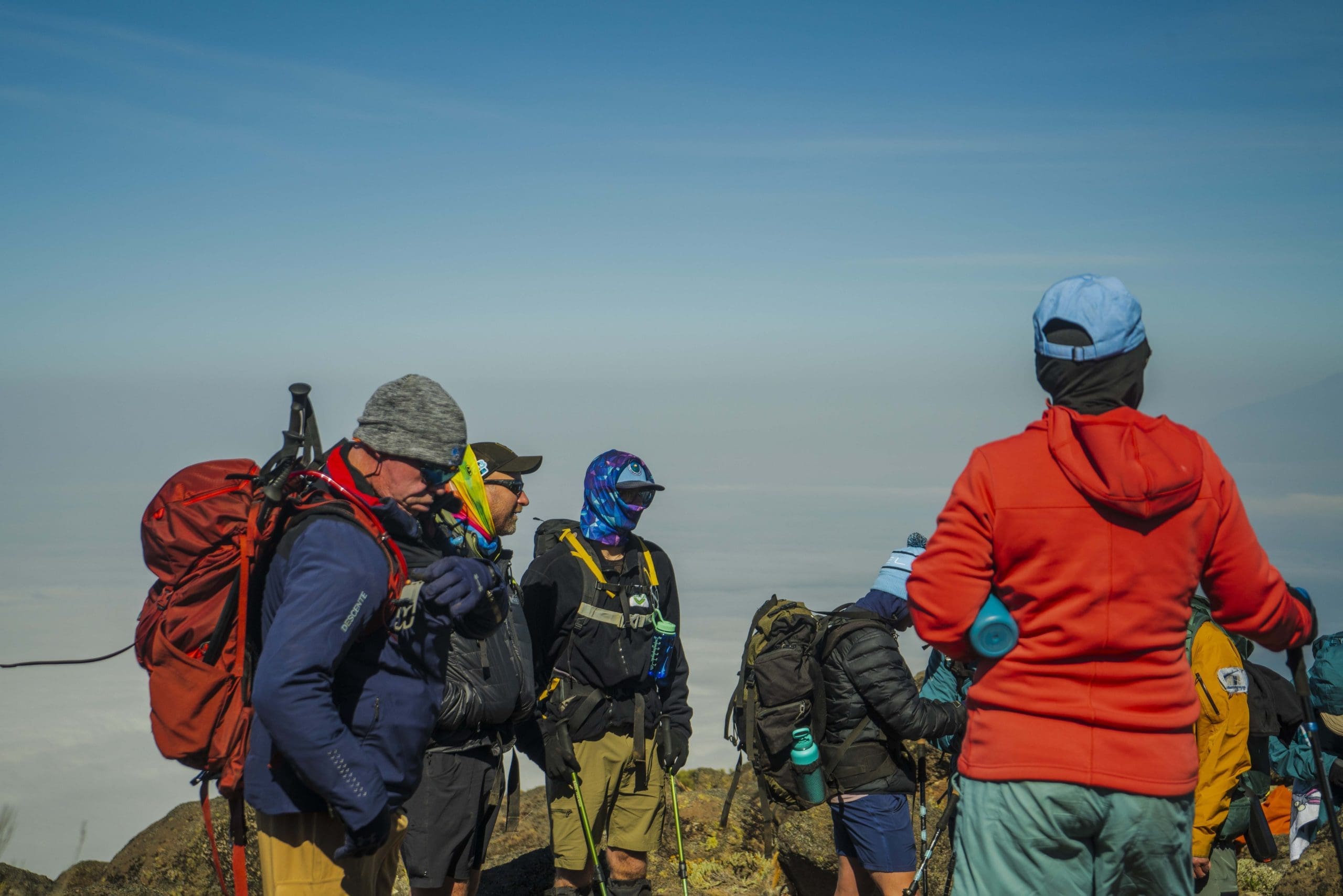
Your journey up the slopes will not be pleasurable if you don’t have the right clothes and gear for the long walk. You will be trekking in harsh conditions, including dust, cold winds, snow, and the possibility of rain. You will need to layer your clothes with fleece materials to keep you warm and dry. Some people wear up to 8 layers of clothing along with a hat, gaiters, and gloves. You will also need to pack a 4-season sleeping bag or rent one. Swap disposable water bottles for water pouches such as Platypus or CamelBak. For added protection, take sunscreen with SPF and lip balm to prevent dry lips and sunburn. Check out our Kilimanjaro packing list for more details.
What is the Scariest Part of Kilimanjaro?
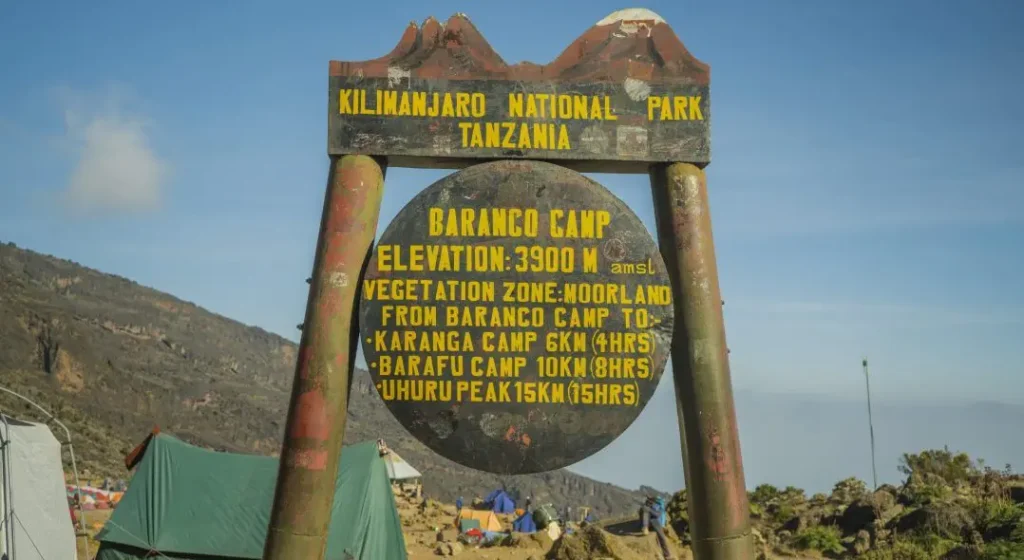
Climbing Kilimanjaro comes with its challenges. For some, the greatest fear they have on the mountain is the possibility of altitude sickness, which, if not taken seriously, can be fatal. The best way to prevent it is to walk more slowly than you would typically do.
For others, it is the Barranco Wall on Kilimanjaro, also known as the “Kissing Rock.” It is a narrow section where one has to hug the rock for balance. Despite its fearsome looks, there have been no official records of deaths on this trail. All you need is a skilled guide to lead you.
What is Altitude Sickness?
We’ve talked about the importance of body and mind fitness; however, you must be aware that there is the possibility of altitude sickness. As you climb to higher altitudes, oxygen levels get lower. This can lead to a more serious problem if the symptoms are ignored. Altitude sickness can quickly lead to more serious conditions such as High Altitude Pulmonary Edema (HAPE) or High Altitude Cerebral Edema (HACE). If you experience symptoms such as headache, fatigue, insomnia, nausea, or shortness of breath, notify your guide immediately.
How Much Does it Cost to Climb Kilimanjaro?
The cost of climbing Mount Kilimanjaro depends on various factors. Our Kilimanjaro trekking packages vary by route and number of days. The fewer the days, the less the cost, and vice versa. The larger the group, the lower the price; going alone will cost more. The cost of the expedition does not include travel insurance, visas, travel gear, or airfare. National park fees, feeding costs, and accommodation will be covered.
What Do Hikers Do When They Need the Toilet?
As you hike, our guides will encourage you to drink plenty of water. This is because it makes the climb easier and also reduces the possibility of altitude sickness. But as you drink more water, you’ll need to urinate more. It is entirely normal as you’re at a high altitude. On the trek, you will find public toilets at the campsites. However, private toilets complete with water-flushing features are available on request for a fee. On the trek, however, you may have to do a number 2 behind a rock. If you’re a lady, you may carry a pee bottle along so that you don’t have to squat.
Do I Need to Bring Food On Kilimanjaro?
No, you do not have to. Food will be provided during the trek. As a team, we will carry enough supplies for every client and staff member on the hike. Breakfast, lunch, and dinner will be provided, including proteins, vegetables, and fruits. Our chef will ensure you are well fed, as you need all the energy you can get for the trek. You should also carry some high-energy snacks in your day pack to maintain energy during rest periods on the trail.
How Much Sleep Will I Get on the Mountain?
Compared to when you sleep at home, you will not get as much sleep on the mountain. Because the air is thin, you may breathe shallowly, which can cause you to wake up intermittently. You may also experience strange and vivid dreams. The uneven terrain, weather, and thin mattress can also cause sleeplessness.
How Many Days Does It Take to Climb Kilimanjaro?
On average, it takes 6-7 days to complete the Machame, Rongai, and Shira routes. The Umbwe and Marangu routes are the shortest, and each takes 5-6 days to complete. The Northern Circuit route is the longest, taking 8-10 days. Next to it is the Lemosho route, which takes 7-8 days to hike. This will include arrival at Kilimanjaro International Airport and the return drive on the day of departure.
Do I Need a Guide?
Yes, you do, particularly if you’re a beginner. Tour operators usually have teams that assist clients through the journey. Our team of guides is here to help make your climb of Mount Kilimanjaro a success. The number of guides per group depends on the group size. If this is your first rodeo, going with a group also adds more spice to the adventure. You are not alone, and you can encourage one another when the going gets tough.
In Closing
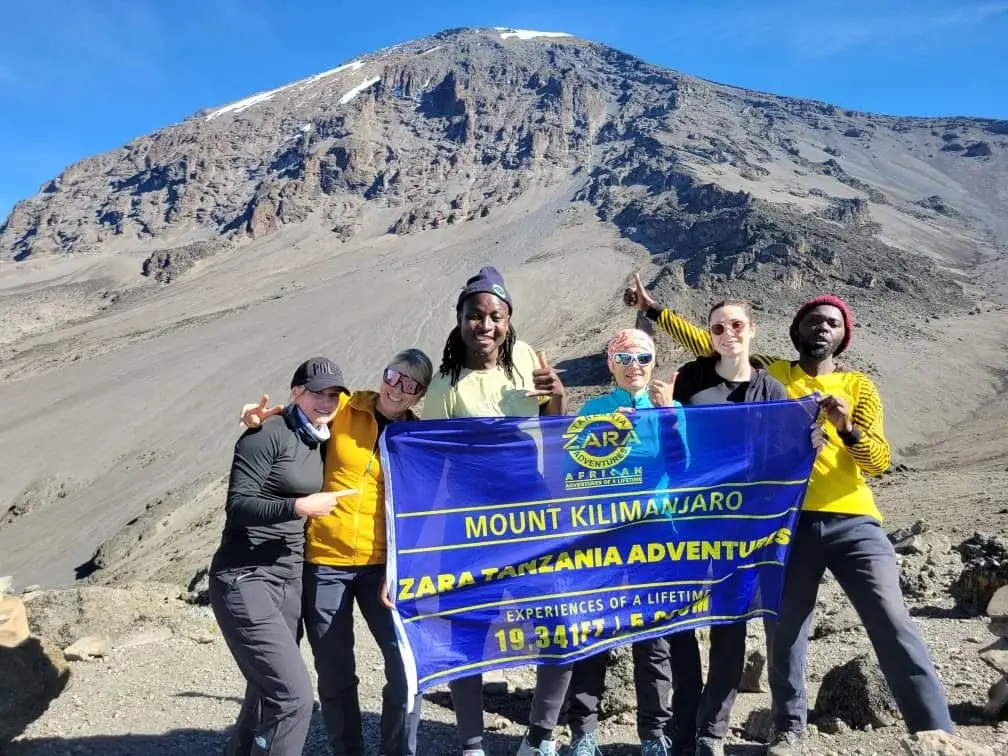
You now have a clearer understanding of the things many climbers wish they knew before climbing Mount Kilimanjaro. With these insights, you’re better prepared to make informed decisions as you plan your journey.
Reaching the Mount Kilimanjaro summit fills you with a sense of achievement, one that you can never stop reliving. The good part is that anyone can reach Uhuru Peak. You only need the right guide to navigate it.