

The wildebeest migration is one of the most amazing wildlife events on Earth. Every year, millions of wildebeest move across the Serengeti and Masai Mara in search of fresh grazing and water. This movement creates a sight that travelers never forget.
Many call the great wildebeest migration one of the Seven Natural Wonders of the World because the timing depends on the rainfall patterns each year, and no one can tell precisely when it will happen.
Understanding how the Great Migration in Africa works—where to see it (such as the Serengeti National Park and the Maasai Mara National Reserve), and the best months to visit—helps visitors plan the perfect time to experience this incredible event.
What Is The Great Migration?

It’s the annual movement of over 1.5 million wildebeest, along with thousands of zebra and many other animals, travelling in a circular path in search of greener pastures.
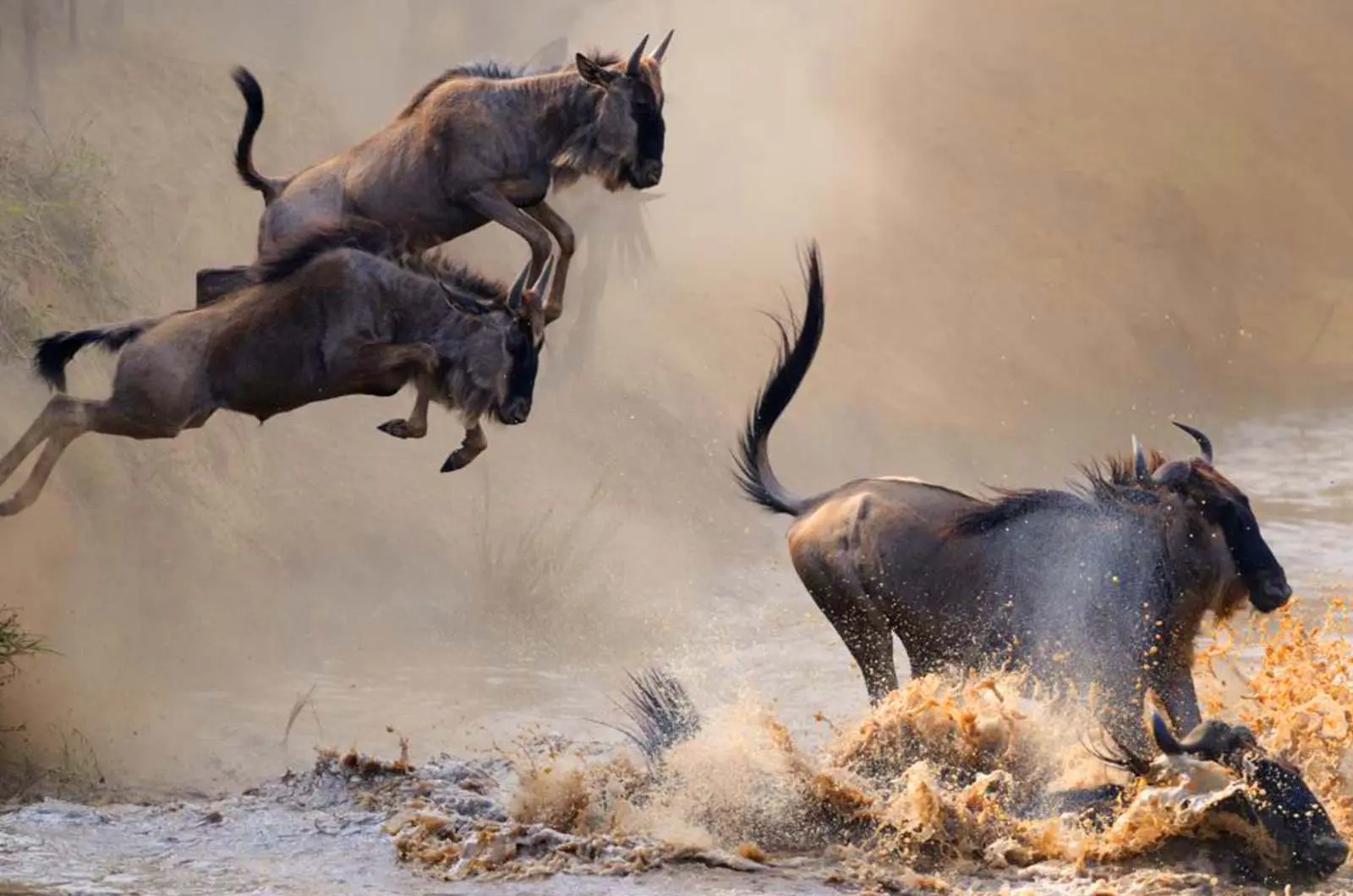
Their journey, full of danger and excitement, takes them across the plains for approximately 1,800 miles through the Serengeti National Park, crossing the Mara and Grumeti Rivers, where hungry crocodiles wait to attack. Yet, they persist in their quest for fresh grass and safe resting spots.
It takes many weeks to complete this long trek, highlighting just how remarkable these animals are at completing a journey repeated every year for generations.
Why Do The Wildebeest Migrate Every Year?

The Wildebeest move from one place to the other, searching for fresh grass, water, and a safe place to raise their young ones, and this is what drives the great migration in Africa.
It is rumored by some tourists that distant thunderstorms and lightning also influence the migration of the wildebeest, but so far, there is no evidence or scientific proof to support this claim.
How Does The Great Wildebeest Migration Work?
The wildebeest migration usually begins in the south when new grass grows during the raining season. These areas are wide and open, and suitable for the mother wildebeest to feed and protect their newborn calves against predator attacks.
Once the rainy season is over, the plains dry up, the green grass disappears, and the wildebeest herds migrate from the south to the west, where grazing conditions are better.
After feeding there, they move towards the northern region, which has more rainfall during the dry months. The grass in the north of the area remains green even when the rest of the ecosystem dries up, and it’s enough to keep the herds alive until the rainy season begins.
When the southern plains become green again, the wildebeest begin their annual journey back, creating a continuous clockwise loop that moves from south to west, then north, and finally returns to the south.
The Great Migration Africa: A Month-By-Month Journey
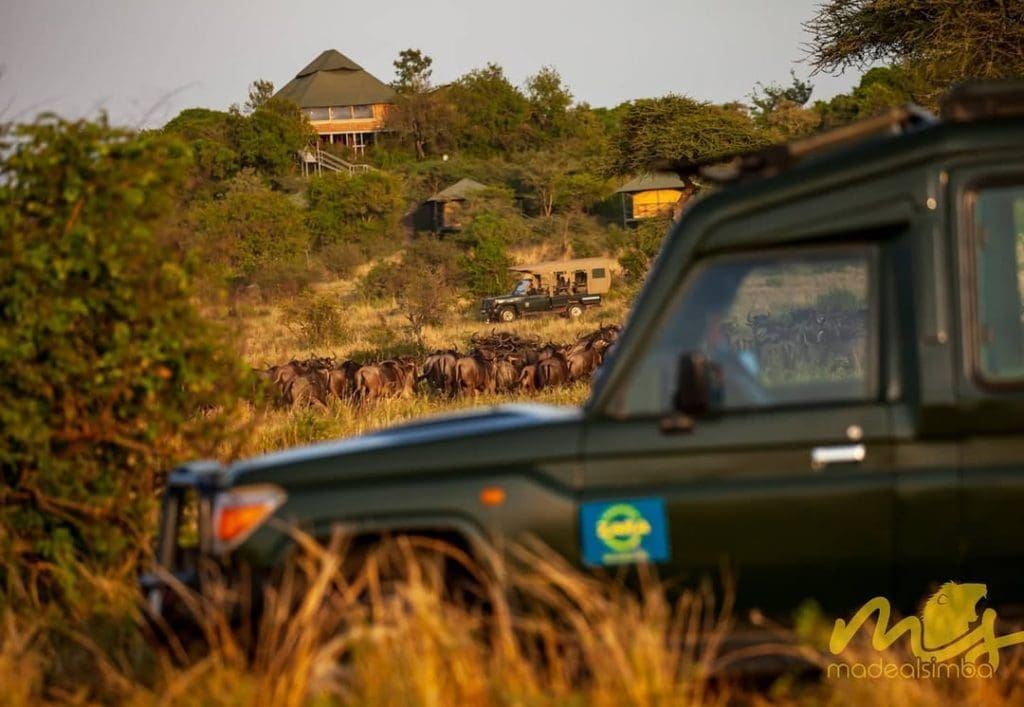
Rainfall in Tanzania and Kenya has become less predictable over the years due to climate change. The herds follow the rain, so changes in timing affect when and where they move. This unpredictability may pose a significant threat to the future of the migration.
Below is a simple guide to help you understand where the herds usually are during the year.
January to March – Calving Season
From January, the wildebeest herds gather in the southern Serengeti and the Ngorongoro Conservation Area for calving.
The herds settle on the short-grass plains near the lower northern slopes of the Ngorongoro Crater, around Olduvai Gorge.
Febuary
By February, the plains begin to grow, and this is when calving peaks, with nearly half a million wildebeest born across the Serengeti.
Some days see as many as 8,000 newborn calves. Most births happen around Lake Masek and Lake Ndutu, where the fresh grass is at its best.
If you’re trying to spot them around this time, places like Naabi Hill and Lobo are usually reliable. Most of the females are heavily pregnant, so getting to these fertile plains becomes a priority.
The soil here was shaped long ago by volcanic activity from the Ngorongoro region, which is why the grass is so rich. It grows short, stays mineral-heavy, and is precisely what the herds need before the season dries out again.
March
The herds move toward the Ndutu and Kusini Maswa regions in the southwest. They travel a bit more slowly now, with thousands of calves keeping pace.
The herds settle there for a while before gradually starting their journey clockwise to the north.
With so many young calves around, predators like Lions, Hyenas, and Leopards stay close to hunt. The lion population here is powerful, with over 3,000 lions in the reserve. Midday is often the best time to spot a newborn finding its feet.
For travelers who want to witness the calving season up close, the Great Migration camps in Olakira, Kimondo, and Ubuntu provide excellent access to the herds.
April to June – The Long Rains and the Move North
As the long rains begin, the herds slowly move in large groups northward through the central Serengeti. In April, they leave the Ndutu area and pass through landmarks on their way to the Moru region.
Simba Kopje is a good place to spot lions, but the rains can make the plains slippery, so 4×4 vehicles are needed.
Some wildebeest head west into the Grumeti Reserve while others keep moving through the central Serengeti. April is also the rutting season, so the males are busy competing for mates
May
By May, the calves are stronger, and the wildebeest migration begins to accelerate. You can see long columns, sometimes stretching 25 miles, traveling between the Moru and Makoma regions.
Zebra and smaller gazelles often join in, making the herds even more impressive. It’s a fun month for wildlife watching or photography, with activity everywhere as animals push north.
June
By June, the rains have eased, and the herds spread out even further. Some of the front-runners have already reached the Mbalageti River, while others are still near the southern hills of Simiti and Nyamuma.
Many gather along the riverbanks before crossing, with crocodiles waiting in the water. The crossing is tense, though not as dramatic as the one at the Mara River farther north. Slowly but surely, the herds continue in long lines, following fresh grass and water as they make their way through the Serengeti.
July to October – Crossing the Mara River (Northern Serengeti & Masai Mara)

By July, the first herds reach the Mara River and start testing the banks. Some make the jump quickly, others hesitate for hours. Camps like Rekero even get front-row views of these crossings, with herds moving between the Mara and Talek Rivers almost daily.
Once August rolls in, the migration spreads across the northern Serengeti and deep into the Masai Mara. This is when things get intense. The river can be calm for one week and then roaring the following week. Whichever it is, the danger is the same. Crocodiles wait in the water, and lions lurk on the banks.
By September and October, the herds settle across the Mara’s greener areas, grazing and resting before the journey back south. But river crossings continue to happen as the groups shift between grazing spots.
November to December: Short Rains and the Return South
When the short rains arrive in early November, the herds begin to move back from Kenya into Tanzania. They pass through the eastern Serengeti, including the Namiri Plains, a renowned area for great cheetah sightings.
The grass grows fast after the rain, so by December, the wildebeest are spread across the eastern and southern areas, stopping to feed as they go.
As the year ends, the herds keep drifting toward the deep south. The rain turns the plains green, drawing in wildebeest, zebra, and other grazers. The land recovers its richness, and everything slowly builds up to the next calving season.
When Is The Best Time To See The Wildebeest Migration?
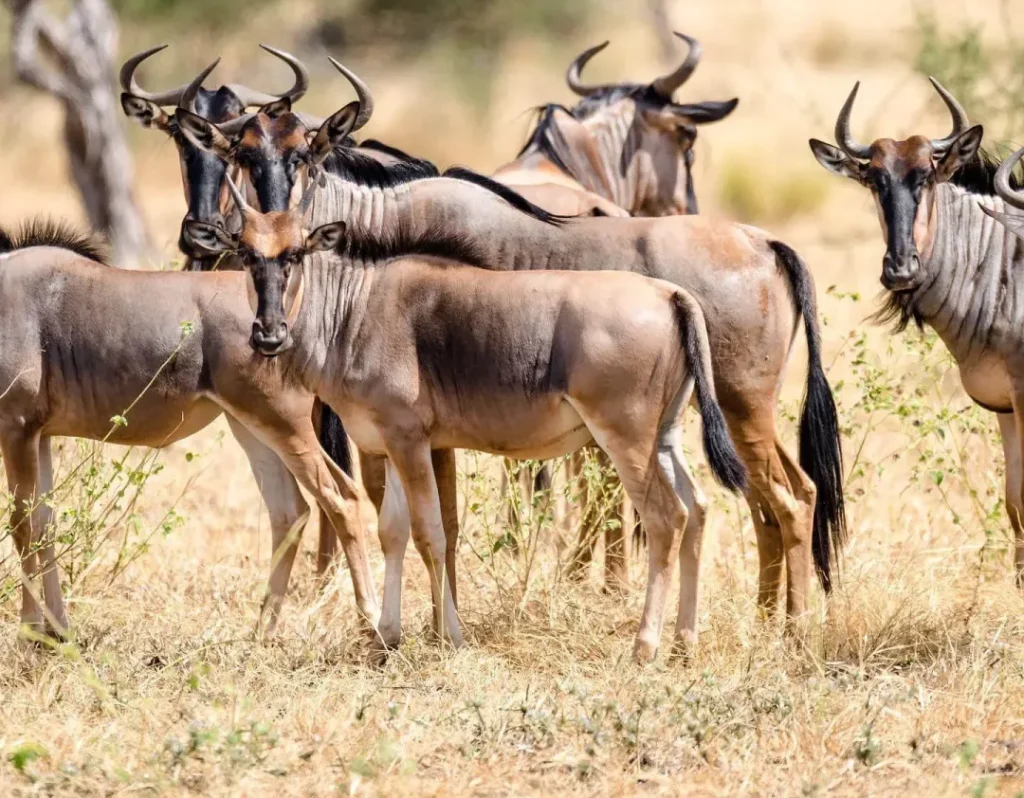
The “best time” really depends on what kind of experience you’re hoping for. The Serengeti offers a fantastic array of wildlife year-round. Still, you need to plan your trip accordingly.
What you can do is follow their usual pattern. From December to May, the herds are mainly in the southeast at Ndutu.
From May to July, they push into the Western Corridor. Between July and October, they spread across the Serengeti Mara area. And by October and November, they’re usually up in the northern Serengeti and Lobo.
Ready For Your Great Wildebeest Migration Safari

To witness the wildebeest calving, plan your trip for January or February. For a quieter, less crowded visit, the low season is the best time to visit. Either way, the Serengeti offers an amazing wildlife experience year-round.
The next step? Kickstart your holiday trip with our Serengeti Safari Africa package — an excellent match for anyone interested in the migration. You can also explore our comprehensive range of Tanzania safari tours to discover other routes and experiences that align with your holiday plans.
Frequently Asked Questions
1. How Much Does A Trip To Serengeti Cost?
A trip to the Serengeti can range from budget-friendly to luxury, depending on the level of comfort and time of year. Shorter trips are generally less expensive, while longer or more exclusive safaris tend to be more costly. See our Tour packages for the Serengeti Safari in Africa to find the adventure that feels just right for you.
2. What Would Happen If The Wildebeest Did Not Migrate?
If the wildebeest migration stopped, their population would begin to decline because they wouldn’t have enough food and water to survive.
The land would also suffer because the herds would not spread their nutrients. Without moving, the animals could inbreed, and the whole ecosystem would be destroyed.
3. Is safari better in Kenya or Tanzania?
Neither Tanzania nor Kenya is better; it depends on what you want. Tanzania boasts vast, wild areas, such as the Serengeti and Ngorongoro, which are ideal for witnessing the Great Migration.
Kenya is suitable for travelers who want comfort, ease of travel, and community-based tourism, along with wildlife experiences in places like the Masai Mara. Both Tanzania and Kenya offer a fantastic safari experience.