

Every year, during the quiet rainy season in November, Zara Tanzania Adventures commits its time and resources to protecting Africa’s highest peak through its annual Mount Kilimanjaro Clean-Up Campaign. With fewer climbers on the mountain during this season, the trails are less crowded, making it the perfect time for a thorough environmental restoration.
This clean-up tradition reflects Zara Tanzania Adventures’ long-standing belief that “Green Tanzania Starts With Us.” Over the years, this initiative has grown from a simple environmental action into a powerful movement that unites guides, porters, local communities, and conservation partners. In 2025, the movement grew even stronger, demonstrating Zara’s unwavering commitment to keeping Mount Kilimanjaro clean, sustainable, and protected for future generations.
Ongoing Monthly Clean-Ups in Moshi Town
Alongside the annual mountain clean-up, Zara Tanzania Adventures has also been leading monthly environmental clean-up activities around Moshi Town throughout the year.
These initiatives bring together staff, volunteers, and local community members to keep public areas clean and to promote a culture of responsible waste management in the Kilimanjaro region.
Zara Tanzania Adventures’ Leadership in 2025
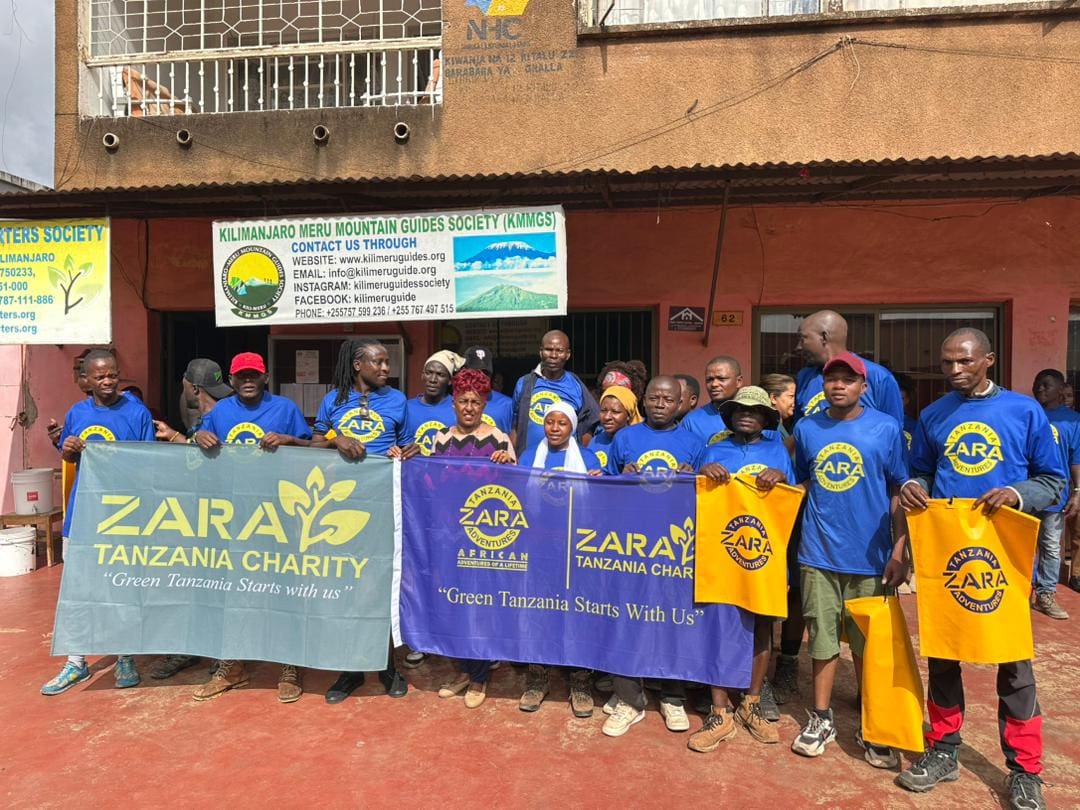
In 2025, the initiative was once again led by the Founder & Director, Zainab “Mama Zara” Ansell, bringing together two powerful forces: Zara Tanzania Charity and the Mount Kilimanjaro Porters Society (MKPS).
This collaboration symbolizes the heart of Zara’s mission, connecting tourism with community and environmental responsibility.
Mama Zara’s presence motivated the entire team, reinforcing the message that everyone who benefits from Mount Kilimanjaro has a duty to protect it.
Organizing a Strong Clean-Up Team
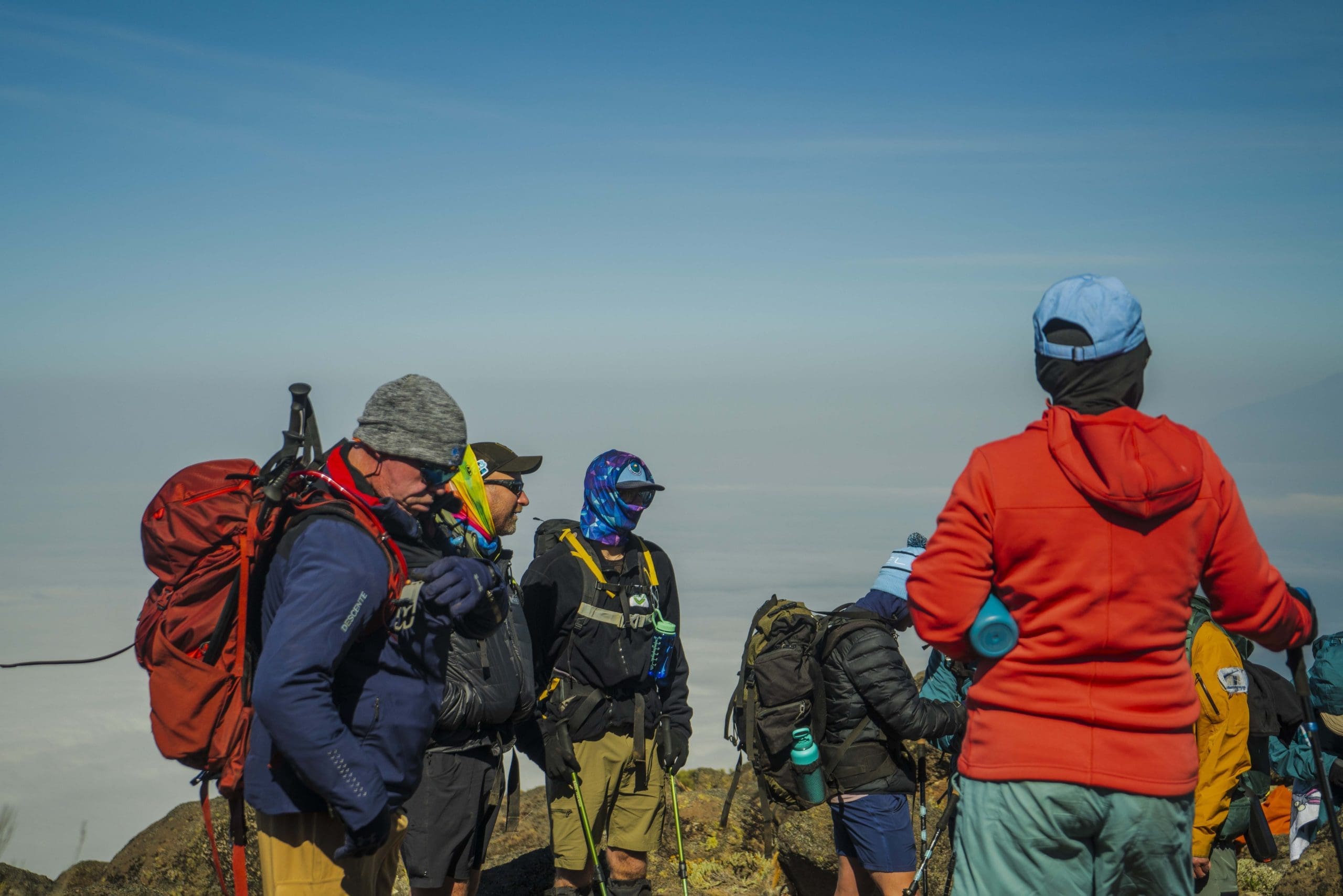
To make this year’s clean-up effective, Zara Tanzania Adventures mobilized a dedicated group of 30 porters and mountain guides.
The team was strategically split across two major routes:
- Lemosho Route
- Shira Route (via Londorossi Gate)
This approach ensured that large sections of the western side of Kilimanjaro—areas that accumulate significant waste from trekkers and crews—were covered thoroughly.
Why Lemosho and Shira Routes Were Selected
The 2025 clean-up focused on Lemosho and Shira for several important reasons:
Lower Traffic During November
These two routes receive significantly fewer climbers during the rainy season, allowing the clean-up crews to work safely and efficiently without interrupting trekking groups. The reduced foot traffic also means that waste left from previous months is easier to identify and collect, giving the team a clearer opportunity to restore the trails without time pressure or congestion.
High Waste Accumulation Zones
Over the years, these western routes have become preferred entry points for climbers who want a scenic, quieter, and more gradual approach to the mountain. However, their popularity has also led to the accumulation of plastic waste, abandoned gear, food wrappers, and other debris from past expeditions. Focusing the clean-up efforts on these trails helps restore their natural condition and ensures that future climbers experience Kilimanjaro in its pure, untouched beauty.
How the Clean-Up Was Conducted
Day 1 – Two Teams Begin Their Ascent
On the first day, two clean-up teams began their mission separately, covering different entry points of Kilimanjaro:
- The Lemosho team started along the traditional Lemosho Trail, passing through the lush Mti Mkubwa Camp, one of the most pristine forest sections of the route. Along the way, they focused on collecting visible waste and digging out buried plastics that had accumulated over previous climbing seasons.
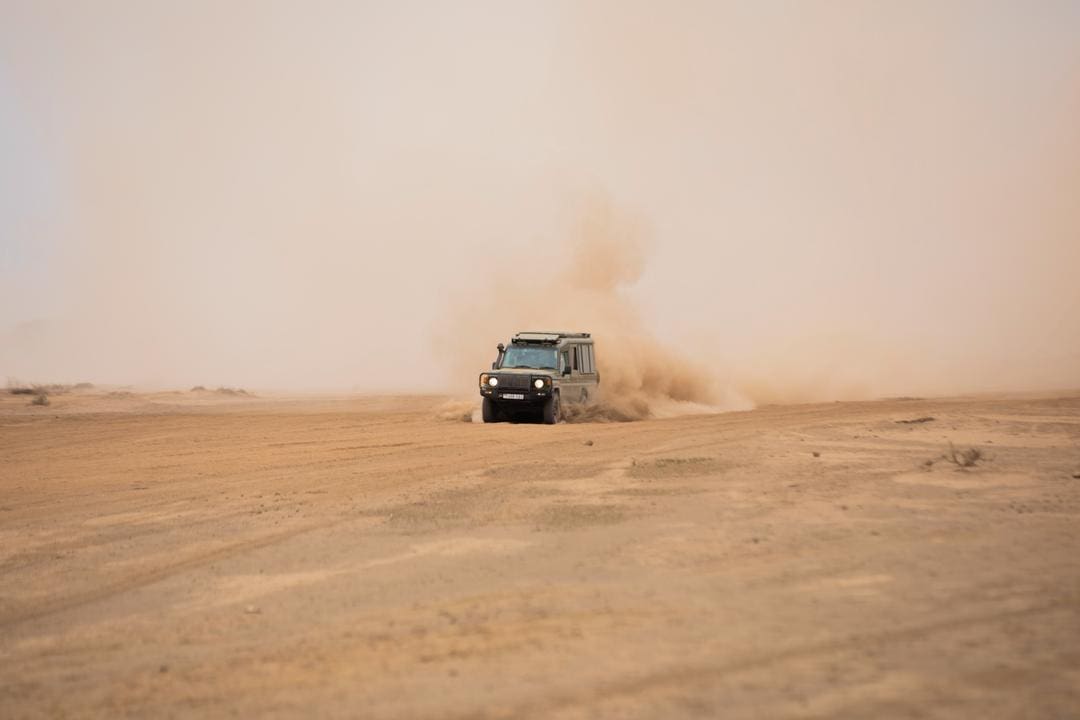
- The Shira team accessed the mountain through the Londorossi Gate. From there, they were transported by vehicle to the Morum Picnic Site, where their clean-up journey officially began. They proceeded on foot toward Shira 1 Camp, clearing litter from the open moorland and surrounding trails.
Both groups worked methodically through their respective routes, ensuring that even remote and less-visited areas of the mountain received attention.
Day 2 – Teams Unite at Shira 1 Camp
On the second day, the Shira Route team, who had spent the night at Shira 1 Camp, began the morning by cleaning areas surrounding the camp and nearby sections of the trail. Meanwhile, part of the Shira team started descending toward the forest edge along the same path that connects back to Mti Mkubwa to meet the Lemosho team coming up from below.
Then, in the afternoon, both teams started their journey to Shira 2 to continue cleaning and spend the night at the Shira 2 camp.
Continuing the Clean-Up in the Remaining Days
After completing the clean-up at Shira 2, the united team continued their mission across the mountain for the remaining days of the five-day climb. They systematically cleared litter along the main trails, around rest points, and near popular camping areas, collecting wind-blown debris, abandoned gear, food packaging, and other waste left behind over time. By the end of the cleanup period, the team had ensured that every section they passed through was noticeably cleaner, safer, and better preserved for future climbers.
Over 600 Kilograms of Waste Collected in 2025
This year’s clean-up produced remarkable results.
Zara Tanzania Adventures proudly collected more than 600 kg of waste from the mountain, a combination of:
- Plastic bottles
- Food packaging
- Old clothing and gear
- Damaged trekking equipment
- Metal cans
This achievement demonstrates both the seriousness of the waste challenge and Zara Tanzania Adventures’ commitment to protecting Mount Kilimanjaro.
Why This Clean-Up Matters
1. Protecting Kilimanjaro’s Fragile Ecosystem
Mount Kilimanjaro is home to rare alpine forests, glaciers, unique wildlife, and sensitive high-altitude vegetation. Waste accumulation can:
- Pollute water sources
- Harm wildlife
- Increase soil contamination
- Disrupt delicate ecological zones.
Regular clean-up campaigns help slow the environmental degradation caused by global trekking traffic.
2. Supporting Responsible Tourism
The clean-up reinforces Zara Tanzania Adventures’ leadership in responsible and sustainable tourism.
By keeping Kilimanjaro clean, the company ensures that:
- Future climbers enjoy a pristine environment
- Tanzania maintains its reputation as a world-class trekking destination
- Tourism revenue continues to support local communities.
3. Strengthening Sustainability Through Leave No Trace Training
Earlier this year, Zara Tanzania Adventures conducted an extensive Leave No Trace (LNT) training program for its guides and porters.
This training taught teams how to minimize environmental impact, manage waste responsibly, and educate climbers on best practices while on the mountain.
The 2025 Kilimanjaro Clean-Up is a direct result of this training, demonstrating how continuous learning and responsible tourism principles can drive real, measurable environmental change.
Conclusion
The Mount Kilimanjaro Clean-Up 2025 shows how determination, leadership, and unity can make a significant difference.
Under the guidance of Mama Zara, and through the collaboration of Zara Tanzania Adventures, Zara Charity, and MKPS, the event once again demonstrated the power of community-driven conservation.
With over 600 kg of waste removed, the mountain is cleaner, safer, and more beautiful for future generations.
As the company continues this annual tradition, it reinforces a simple truth:
Protecting Kilimanjaro is protecting Tanzania’s heritage. And indeed, Green Tanzania starts with us.
Frequently asked questions about the Kilimanjaro clean-up
1. Why is a clean-up needed on Kilimanjaro?
Because Kilimanjaro receives tens of thousands of climbers each year, waste accumulates on trails, campsites, in forest areas, and in alpine zones, including plastic bottles, abandoned gear, and food packaging. A clean-up helps preserve the mountain’s fragile environment, protect water sources and wildlife, and maintain a more pristine experience for future climbers.
2. What happens to the waste collected during a clean-up?
Teams collect waste during dedicated clean-up campaigns, bag it, and bring it to designated disposal or recycling points in coordination with the Kilimanjaro National Parks Authority. These efforts also involve training of porters and guides in waste management and “Leave No Trace” practices so that fewer new items are left behind in future.
3. How can regular climbers help reduce waste on Kilimanjaro?
Climbers can help by following these steps:
- Bring reusable bottles and avoid single-use plastics whenever possible.
- Use the “pack in, pack out” approach, carry out what you carry in.
- Stay on established trails and avoid disturbing vegetation, which destabilises soil and increases erosion.
- Use proper latrines and disposal methods rather than leaving toilet paper or waste in the environment. This helps protect water sources and the local ecosystem.
4. When are clean-ups typically held and who participates?
Many clean-ups are scheduled during off-peak seasons (for example, the rainy months in November) when fewer climbers are on the mountain, allowing crews to work more safely and thoroughly. These campaigns often involve tour companies, local guides, porters, charities and the national park authority working together to make a larger impact.